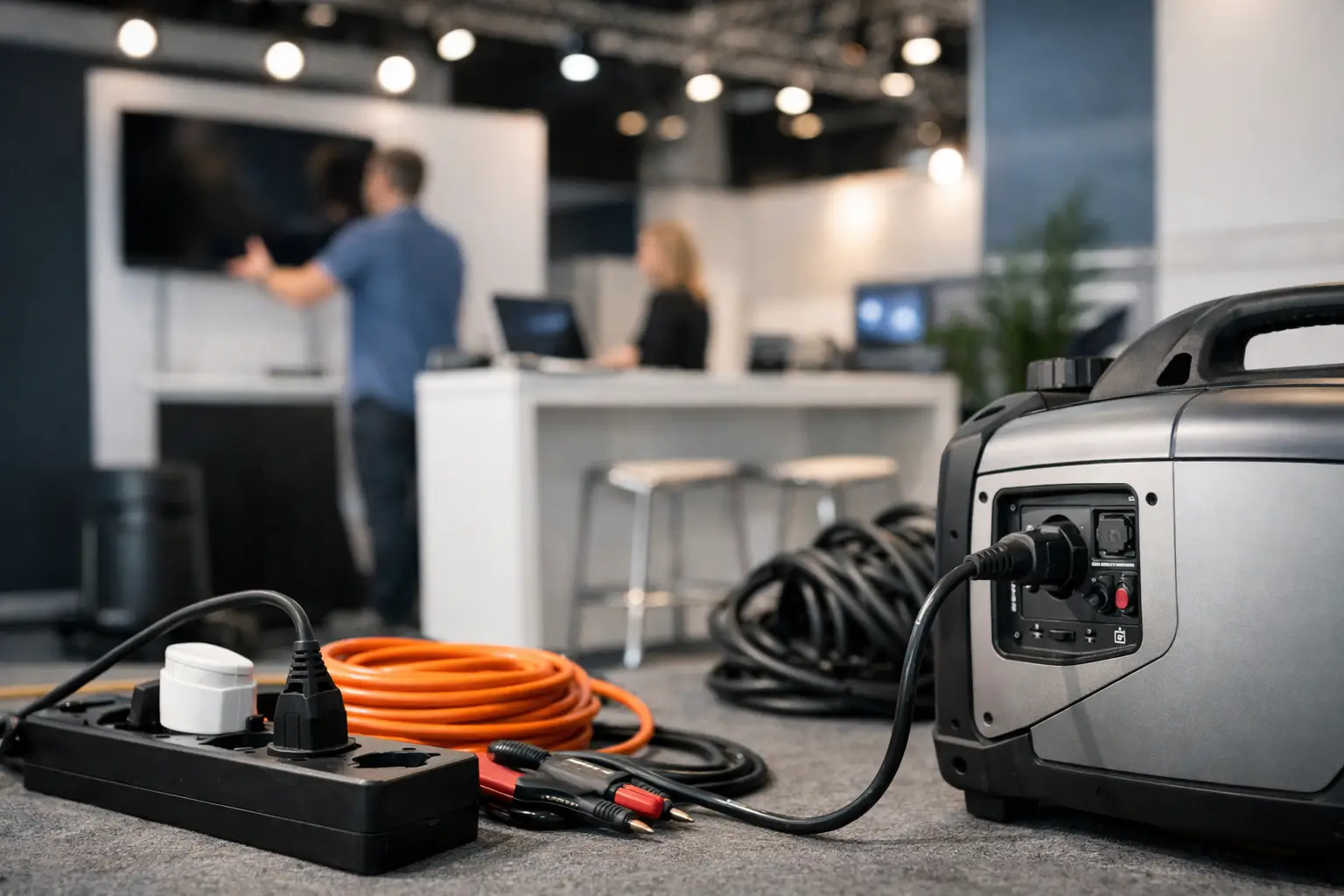
A photo booth can be the center of the party until setup hits a snag: the nearest outlet is across the room, the circuit is already carrying a DJ and catering equipment, or a cord cuts directly through the guest path. Understanding booth power requirements before event day keeps the experience fun, polished, and on schedule – exactly how it should feel for your guests.
For most weddings, birthday parties, brand activations, and corporate events, power planning is straightforward. The key is communicating early with your venue and photo booth team, then reserving a safe, dedicated place for the equipment. A few minutes of planning can prevent last-minute rearranging when doors are about to open.
What Photo Booth Power Requirements Usually Include
Most modern photo booths need access to one standard grounded 110-120V electrical outlet. That is the same type of outlet used for common indoor appliances in homes, hotels, event venues, and offices. A professional booth setup may power a camera, lighting, touchscreen or monitor, printer, and computer or control system from that single source.
The exact draw varies by booth type and package. An open-air booth with professional lighting and instant prints may have different needs than an enclosed booth, green screen experience, or 360 booth with additional lighting. The goal is not to guess wattage from across the room. It is to give your rental team a usable outlet near the planned booth location and let them confirm the setup details.
A standard outlet is often enough, but “available” does not always mean “available for the booth.” An outlet shared with a coffee station, DJ gear, portable heaters, a band, or uplighting can create avoidable risk. Ask your venue whether the outlet is on a dedicated circuit or what else will be using that circuit during the event.
Dedicated power makes a difference
Dedicated power means the outlet or circuit is reserved for the booth rather than supporting several high-demand items at once. It helps protect the photo experience from interruptions caused by overloaded circuits or a breaker tripping during the busiest part of the night.
This matters most at large receptions and branded events where production equipment is everywhere. DJs, LED walls, catering appliances, bars, AV teams, and vendors can all need power. Your photo booth should be included in the venue’s power conversation, not treated as an afterthought.
Where the Outlet Should Be Located
The best outlet is close to the booth footprint, easily accessible during setup, and not in a place guests will block all night. Ideally, it sits within the booth area or just behind it. That keeps cords short, tidy, and far away from the action.
A professional team can use properly rated extension cords and cord covers when necessary, but shorter runs are always cleaner. Long extension cords create more visual clutter and more opportunities for someone to trip, unplug equipment, or move a cable while reaching for a drink.
When selecting your booth location, consider the outlet at the same time as the backdrop, guest traffic, and lighting. A beautiful green screen or custom backdrop loses some of its impact if it has to be squeezed into a corner because the only outlet is there.
Keep cords out of guest traffic
Guests will be carrying drinks, wearing long dresses, moving between tables, and gathering around the booth when the party is at its peak. Cables should never run loose across an entrance, dance floor, aisle, or primary walkway.
If a cord must cross a path, it needs to be planned and protected with a proper cable cover. Do not rely on a strip of tape as an event-day solution. It can peel up, look unfinished, and still leave a tripping concern. Your venue may also have its own safety rules for cable placement, particularly at hotels, studios, schools, and corporate properties.
Power Needs by Booth Style
The best booth for your event is usually about the guest experience first – then the setup logistics. Still, different formats can affect where power needs to be placed and how much room your team needs to work.
An open-air photo booth is flexible and works beautifully near a backdrop, step-and-repeat, flower wall, or open event space. It typically needs an outlet near the equipment station, with enough room for guests to gather without crowding the cable path.
An enclosed photo booth creates a more private, nostalgic photo moment. Because the booth has a defined structure, its location should be measured carefully so the entrance, printer access, and power connection all remain clear.
Green screen experiences often include added lighting and a screen or backdrop system. They are perfect for branded scenes, themed parties, and immersive event visuals, but they benefit from a designated setup zone where lighting can be positioned correctly.
A 360 booth may require the most thoughtful placement. Beyond power, it needs a generous clear area for the platform, camera arm, attendants, and guests waiting for their turn. It should not be placed on a crowded dance floor or beside a door that swings into the activation area.
Questions to Ask Your Venue Before the Event
Your venue coordinator may know the room beautifully, but they may not know where you plan to place the booth until you share the floor plan. Bring the photo booth into the conversation early, especially for a wedding reception, gala, or event with multiple entertainment elements.
Ask whether there is a working grounded outlet at the selected location, whether it will be accessible during setup, and whether it is shared with other vendors. Also ask if the venue has restrictions on extension cords, cable covers, loading access, setup timing, or placing equipment near exits and fire lanes.
For outdoor events, confirm that power is available outdoors and protected from the elements. Indoor outlets do not automatically solve an outdoor setup. You may need a venue-approved power source, weather protection, or a location adjustment if conditions change.
If your event is at a private home, walk the property with the booth location in mind. A patio outlet may be convenient, but make sure it works, is not overloaded, and can be reached without running cords through a pool area, gate, or high-traffic doorway.
Do Not Forget Setup Access
Power is only one part of a smooth installation. The booth team also needs a clear route from the loading area to the event space. Stairs, elevators, narrow hallways, early venue access, and parking restrictions all affect setup timing.
A reliable photo booth company will ask practical questions in advance because details protect the guest experience. At Flash Life Photo Booth, experienced attendants coordinate setup with the event flow so the booth looks intentional, operates smoothly, and is ready when guests are ready to celebrate.
For planners, it helps to reserve the booth location on the floor plan rather than leaving it as an open question. Mark the outlet, note the preferred backdrop direction, and identify any furniture that needs to move before setup. This is especially valuable when a room is being flipped from ceremony to reception or when a corporate event has a tight production schedule.
A Simple Pre-Event Power Check
About one to two weeks before the event, confirm the booth location with your venue and rental team. Make sure the outlet is active, grounded, and not reserved for another vendor. If the room layout has changed, share an updated floor plan or a few clear photos of the space.
On event day, avoid plugging in extra equipment near the booth after setup. A phone charger is rarely a problem, but high-draw equipment should not be added casually to the same circuit. If the DJ, catering team, or venue staff needs to adjust power access, ask them to coordinate with the booth attendant first.
There are exceptions. A backyard party with limited outlets, a rooftop event, a festival-style activation, or a historic venue may need a more customized plan. That does not mean the booth cannot happen. It simply means power, cable routing, and placement should be confirmed earlier instead of improvised on arrival.
The best photo booth setup does not call attention to its cables, outlets, or logistics. Guests should notice the flattering light, the custom design, the laughter around the booth, and the photos they cannot wait to share. Give your team a safe outlet and a well-chosen space, then let the party take it from there.
Leave a Reply