Category: Uncategorized

  • What Defines a Luxury Photo Booth Experience?

    What Defines a Luxury Photo Booth Experience?

    A photo booth can either become the corner guests pass by or the place they keep returning to all night. The difference is rarely just the camera. A true luxury photo booth experience combines beautiful image quality, intentional design, thoughtful customization, and a professional team that knows how to bring out the fun without taking over the event.

    For weddings in Los Angeles, milestone birthdays in Orange County, Hollywood parties, and polished brand activations, the booth needs to look as good as the rest of the celebration. It also needs to work. Guests should feel invited in, photos should flatter everyone, and the setup should add energy without creating another item on the planner’s event-day checklist.

    Luxury Starts With the Photos

    The fastest way to spot the difference between a basic rental and a premium booth is in the final image. Dark faces, harsh shadows, blurry action shots, and grainy prints do not belong at an event where every other detail has been carefully selected.

    A luxury booth uses professional-grade cameras, controlled lighting, and a well-designed setup to create photos guests actually want to save, post, and frame. Great lighting is especially important in Southern California event spaces, where venues can shift quickly from bright daylight to dim reception lighting. The booth should deliver consistent, polished results in both settings.

    That quality matters beyond the immediate fun. At a wedding, those photo strips become personal keepsakes from the people who celebrated with you. At a corporate event, they become branded content that may appear across social feeds long after the last guest leaves. If the images feel cheap, the event can feel less polished by association.

    The Booth Should Fit the Event, Not Fight It

    There is no single booth style that is right for every celebration. A luxury experience begins with choosing an option that supports the room, guest count, visual style, and purpose of the event.

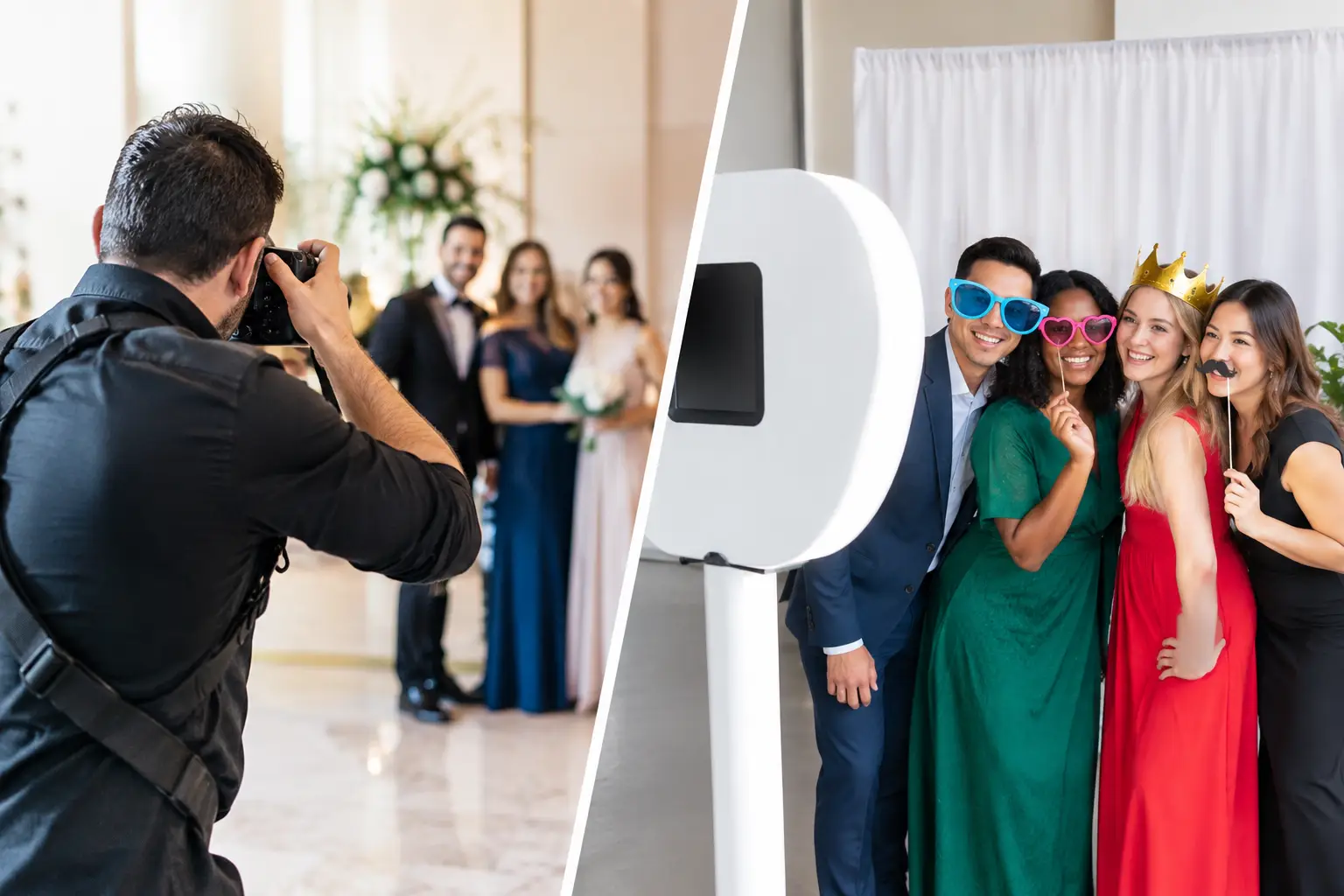
    An open-air booth is often the strongest choice for weddings, large parties, and branded events. It gives groups room to gather, allows the backdrop to be part of the visual moment, and keeps the experience visible enough to attract a crowd. When the booth is active, it naturally creates a fun focal point in the room.

    An enclosed booth offers a different kind of appeal. It brings back the private, nostalgic feel people love about classic photo booths while giving guests a more intimate place to be silly, affectionate, and spontaneous. It can be an excellent fit for receptions, birthday celebrations, and events where the host wants a little throwback charm with upgraded photo quality.

    Green screen booths are ideal when the setting itself needs to transform. Guests can pose against custom virtual backgrounds that support a movie premiere, destination-themed party, company campaign, or product launch. The key is making the graphics feel intentional. A generic background can look like an afterthought, while custom artwork can make every photo feel tied to the event.

    For a luxury photo booth experience, the booth should complement the floor plan and décor rather than compete with them. A great provider will ask where the booth will be placed, how much room is available, what lighting conditions to expect, and how guests will move through the space.

    Custom Design Makes It Feel Like Your Event

    Premium events are built on details that feel connected. The invitation suite, florals, menus, signage, and entertainment all tell the same story. Your photo booth should be part of that story, too.

    Custom photo templates turn each print into a designed keepsake. For a wedding, that may mean matching the couple’s monogram, date, and color palette. For a company party, it may mean incorporating a logo, campaign language, or a clean branded frame that people will be happy to share. The best designs add personality without covering up the people in the photo.

    Backdrops deserve the same attention. A sleek shimmer wall can bring red-carpet energy. A floral or custom-built backdrop can coordinate with a wedding’s décor. A clean white, black, or neutral option may be exactly right for a modern corporate gathering. The goal is not to make every backdrop loud. It is to make the entire booth setup look considered in the room.

    Props also need a quality check. Fun does not require a cluttered pile of flimsy plastic signs. Well-chosen props encourage guests to participate while keeping photos stylish. A few playful statement pieces, themed accessories, or branded prop moments can create much more impact than a crowded table of random leftovers.

    The Best Luxury Booths Are Hosted, Not Dropped Off

    A polished booth experience depends on people as much as equipment. A rental company can deliver a beautiful unit, but if it is left unattended, guests may hesitate to use it, struggle with the screen, or miss opportunities for great group photos.

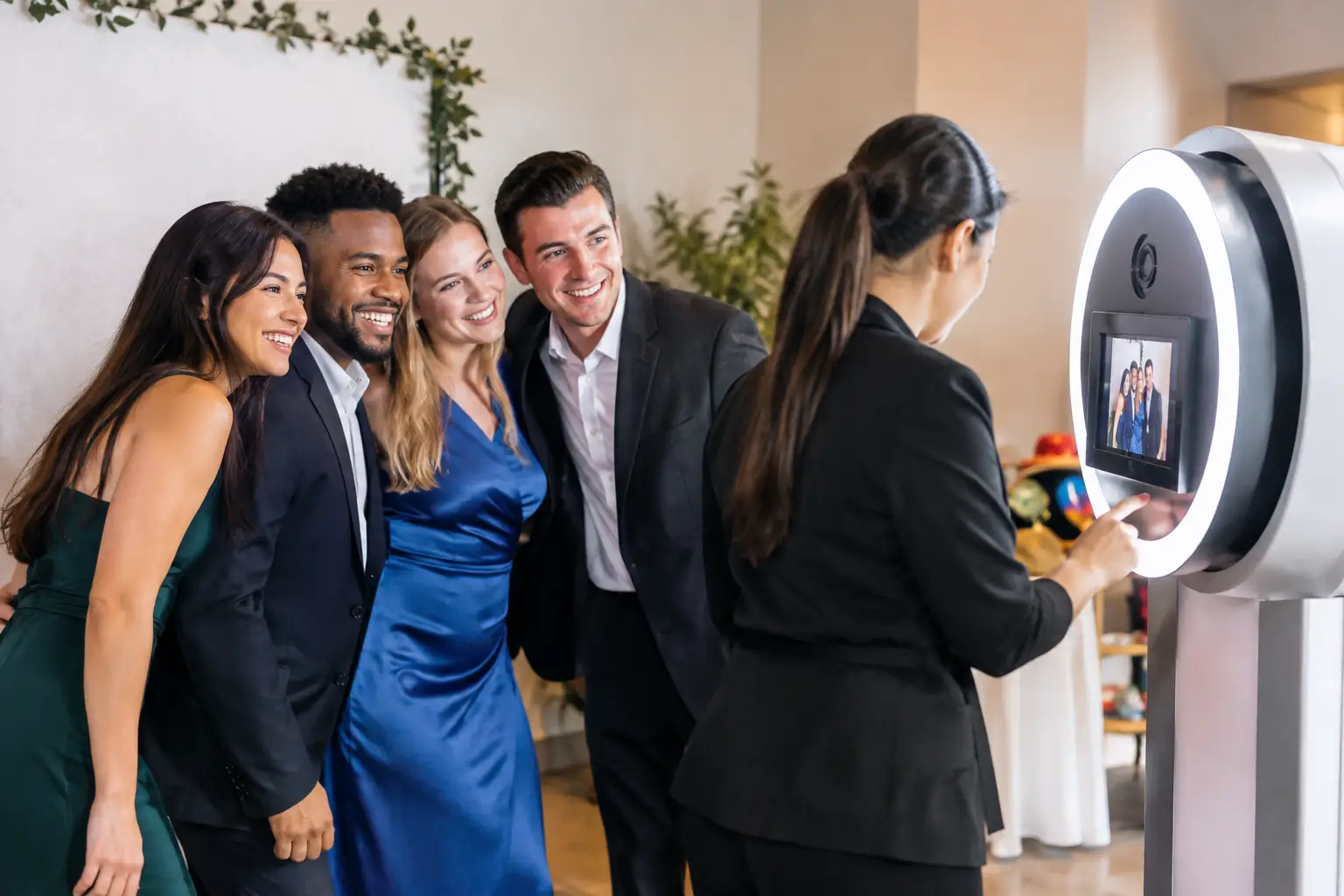
    An experienced on-site attendant keeps the energy moving. They welcome guests, explain the flow, encourage group shots, manage props, troubleshoot quickly, and make sure the booth area stays camera-ready. At a busy event, that support is invaluable. Your planner, venue coordinator, or family should not be asked to fix a printer, direct a line, or explain how to use the booth.

    Professional staffing also protects the rhythm of the event. The booth should be ready before guests arrive, operate smoothly during peak moments, and be packed down quietly when the night is over. That level of service may not be the most glamorous part of the rental, but it is what makes the experience feel effortless.

    Shareable Moments Need a Real Strategy

    Guests expect to receive their photos quickly, but instant sharing should not come at the expense of quality. A luxury setup can offer digital delivery alongside beautiful print options, giving guests something to post now and something physical to take home.

    For social events, a well-lit open-air booth creates a stream of candid content that feels more personal than posed event photography alone. For brands, custom overlays and curated backdrops can extend campaign visibility without making the guest experience feel like an advertisement. The best branded booths give people a reason to participate because the moment is fun first.

    A 360 booth can add motion and high-energy video content when the crowd and venue support it. It is a strong choice for launches, nightlife-style celebrations, and events where bold visual content is the point. It is not automatically the best fit for every wedding or intimate gathering, though. If guests value printed keepsakes, conversation, and relaxed group portraits, a traditional photo booth may create more meaningful participation.

    What to Ask Before Booking

    The right photo booth partner should be able to answer practical questions with confidence. Ask about camera and lighting quality, backdrop choices, custom template design, print options, setup requirements, and whether a trained attendant will remain on-site.

    It is also smart to ask how the team handles venue timing and event changes. Los Angeles and Orange County events often involve strict load-in windows, valet traffic, elevators, outdoor setups, or last-minute floor-plan adjustments. A seasoned vendor plans for those realities instead of treating them like surprises.

    Price matters, but it should be viewed in context. A lower quote may leave out staffing, custom design, premium prints, delivery, or the level of equipment needed for strong results. Compare what is included, how the booth will look in your space, and whether the provider has a proven record at events similar to yours.

    Since 2011, Flash Life Photo Booth has built its reputation around that combination of high-impact fun, custom visual details, and reliable event-day service. Whether the event calls for an open-air setup, a private enclosed booth, green screen creativity, or 360 video, the goal stays the same: give guests a reason to smile and give the host photos worth keeping.

    When you are planning the final details, picture the moment guests step in front of the camera. If the setup feels inviting, the photos look incredible, and a professional is there to keep the experience moving, your booth will not just document the party. It will become part of why people remember it.

  • What Is an Open Photo Booth at Your Event?

    What Is an Open Photo Booth at Your Event?

    A packed dance floor is great. A packed photo booth is even better when everyone can fit in the frame. So, what is an open photo booth? It is a photo booth setup without enclosed walls or curtains, giving guests room to pose, move, gather, and have fun in full view of the party.

    Instead of stepping into a small booth, guests stand in front of a backdrop while a professional camera, lighting, and touchscreen capture the moment. The result is more than a quick snapshot. A well-produced open-air booth creates bright, flattering photos, encourages big group participation, and becomes part of the event entertainment.

    For weddings, birthdays, corporate activations, school events, and Hollywood-style celebrations across Los Angeles and Orange County, it is often the booth style that keeps the line moving and the energy high.

    What Is an Open Photo Booth Designed to Do?

    An open photo booth is designed for visibility and flexibility. Because there is no enclosure, guests can see the action, laugh at the poses, and join friends without squeezing through a curtain. That visual activity matters at a live event. It gives people something to do between speeches, cocktails, dancing, and conversations.

    The setup usually includes a freestanding or sleek booth unit, a professional camera, studio-quality lighting, a backdrop, and an attendant. Guests use a touchscreen or receive guidance from the attendant, strike a pose, and receive their photos as prints, digital files, or both, depending on the package.

    The open format makes the booth feel less like a tucked-away station and more like an interactive photo moment. It can be styled to blend into an elegant reception, a colorful birthday party, a red-carpet event, or a branded corporate space.

    Why Guests Love the Open-Air Format

    The biggest difference is space. An enclosed booth can create a fun, private experience for two or three people. An open photo booth can comfortably photograph larger groups, making it a natural choice when you want wedding parties, families, coworkers, or friend groups in the same shot.

    That extra room also gives guests freedom to use props, show off outfits, and create poses that would not work inside a compact booth. A group of ten can lean in, throw their hands up, and make the kind of photo people actually save and share.

    It is also highly approachable. Guests do not have to wonder what is behind a curtain or wait for someone to exit before deciding whether to participate. They can watch the experience happen, see the photos print, and jump in when the moment feels right. At a corporate event or brand activation, that visibility can draw a crowd and create natural buzz around the activation.

    The Elements That Make Photos Look Premium

    Not every open photo booth delivers the same result. The term describes the format, not the quality level. A basic setup may use a tablet and ring light, while a premium event booth is built around professional image quality, dependable equipment, and thoughtful presentation.

    Camera and lighting matter more than people expect

    Great booth photos start with a real camera and flattering light. Strong lighting helps guests look polished in every photo, even in a dim ballroom, outdoor evening reception, or event venue with dramatic colored lighting. It also makes a difference for print quality. Skin tones look more natural, details stay crisp, and images feel worthy of a frame rather than a forgotten phone download.

    This is especially valuable at weddings and formal celebrations, where guests have dressed up and the photos may become part of the couple’s memory book. For brand events, clean lighting also helps logos, custom graphics, and product-focused moments look intentional on social media.

    Backdrops set the visual tone

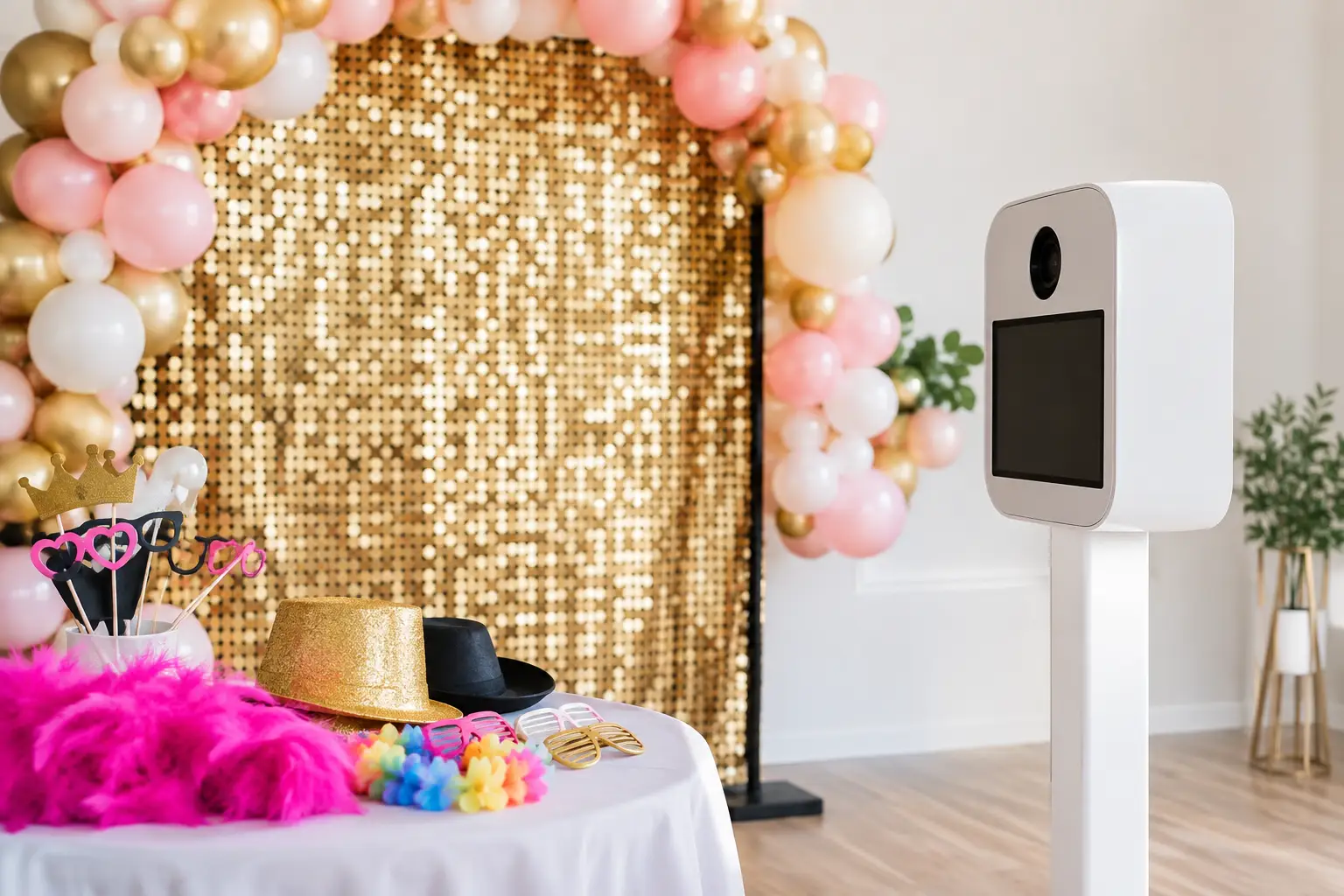
    The backdrop is not an afterthought. It is a major part of what guests see in every image. A classic sequin backdrop can bring sparkle to a birthday or gala, while a floral, neutral, or custom-designed backdrop can complement a wedding palette. For branded events, a step-and-repeat or custom graphic wall gives each photo a consistent, campaign-ready look.

    Open booths also work well with green screen technology. Rather than photographing guests against a physical backdrop, green screen software can place them in a custom virtual setting. That could mean a tropical destination for a summer party, a movie-premiere scene for an entertainment event, or a fully branded environment for a product launch.

    Custom templates turn photos into keepsakes

    The image is only part of the final product. A custom photo template can include names, event dates, wedding monograms, colors, logos, or campaign messaging. It gives guests a takeaway that feels connected to the occasion, whether they receive a printed photo strip, a 4-by-6 print, or a digital image.

    A good template supports the photo instead of crowding it. The best designs feel polished, readable, and specific to the event without looking like an advertisement pasted over a picture.

    Open Photo Booth vs. Enclosed Booth

    Choosing between an open and enclosed booth comes down to the experience you want guests to have.

    An open photo booth is usually the better choice for larger groups, high guest counts, visible entertainment, and customized backdrops. It works beautifully when the booth needs to be part of the room design or when you want coworkers, wedding parties, and extended families to pose together. It is also easier for guests with mobility needs because there is more space to enter, pose, and exit.

    An enclosed booth creates something different: privacy, nostalgia, and a little mystery. Guests often get sillier when they are behind a curtain, and the enclosed format can feel like a classic photo booth updated for a modern event. It may be a better fit for a venue with limited open floor space or a party where intimate, candid shots are the goal.

    Neither format is automatically better. If your priority is big group photos and a highly visible attraction, go open-air. If you want private, playful moments with a vintage booth feel, an enclosed option may fit the event better.

    Where Should You Place an Open Photo Booth?

    Placement has a direct effect on participation. Put the booth too far from the action, and even a beautiful setup can be overlooked. Put it directly in a traffic bottleneck, and guests may feel rushed or block the flow of the room.

    A strong location is near the main event space but outside the path to the bar, restrooms, buffet, or dance floor. Guests should be able to see the backdrop and booth from across the room, while still having enough space to form a line and pose comfortably. For outdoor events, the booth needs a stable, level area and protection from harsh weather or direct sun.

    It also helps to think about the backdrop as decor. At an upscale reception, a premium backdrop can become a visual feature. At a corporate function, it can support a branded photo moment without making the entire room feel overly promotional.

    What to Ask Before Renting One

    When comparing open photo booth rentals, focus on the details that shape the guest experience. Ask what type of camera and lighting will be used, whether prints and digital sharing are included, how much customization is available, and whether an on-site attendant will run the booth.

    You should also confirm the booth footprint, power requirements, setup timing, and backdrop options. If your venue has stairs, tight access, strict load-in rules, or an outdoor location, share that early. An experienced rental company will ask these questions before event day, not when guests are arriving.

    For branded events, ask to see how logos, campaign colors, and custom overlays will appear in the final images. For weddings and private parties, ask whether the template design can match invitations, décor, or the event color palette. These details are where a standard rental becomes a photo experience that feels made for your celebration.

    A Photo Booth That Adds Energy, Not Work

    A quality open photo booth should be easy for the host. The booth team handles delivery, setup, testing, guest guidance, and breakdown, while you enjoy the event. That level of support is particularly valuable during a wedding reception or a busy corporate program, where there is no room for troubleshooting equipment or explaining the booth to guests.

    Flash Life Photo Booth builds open-air experiences around strong lighting, polished custom designs, fun guest interaction, and professional on-site service. The goal is simple: photos people are excited to take and keepsakes they are happy to bring home.

    The best open photo booth is not just a camera pointed at a backdrop. It is the place where coworkers loosen up, grandparents get pulled into the fun, and guests leave with proof that they were part of a great night.

  • How to Book a Photo Booth Without Event-Day Stress

    How to Book a Photo Booth Without Event-Day Stress

    A photo booth can be the place where your wedding guests finally loosen up, where coworkers become part of the brand moment, or where a birthday party gets its most talked-about photos. But only if it is the right booth, booked with the right details in place. Knowing how to book a photo booth means looking beyond a price quote and choosing an experience that fits your crowd, venue, timeline, and visual style.

    Start With the Guest Experience You Want

    Before comparing packages, picture the moment you want guests to have. Do you want large groups piling into photos together? A private, nostalgic booth moment? High-energy video content that gets shared before the party is over? Your answer should shape the booth type, not the other way around.

    An open-air photo booth is a strong choice for weddings, corporate events, and big celebrations where groups are part of the fun. It gives guests room to pose, shows off a custom backdrop, and keeps the energy visible in the room. It also works well when you want grandparents, bridal parties, teammates, or large friend groups in one frame.

    An enclosed booth creates a more private experience. Guests step inside, close the curtain or enter the booth space, and get silly without an audience watching. It is a great fit for parties with a retro feel, cocktail receptions, and events where you want the booth itself to feel like part of the decor.

    Green screen and 360 booth experiences bring a different level of production value. Green screen is ideal when a custom setting matters, such as a red-carpet scene, destination-inspired wedding backdrop, product launch, or branded campaign. A 360 booth is built for movement and video-first content, which can be a major draw at high-energy corporate parties, premieres, and milestone events.

    The best choice depends on your audience. A quiet anniversary dinner may not need a 360 platform. A large company celebration may need more than a basic enclosed booth to keep hundreds of guests engaged.

    How to Book a Photo Booth Around Your Event Details

    Once you know the kind of experience you want, gather the details a professional rental company will need to give you an accurate recommendation. You do not need a full production schedule to start the conversation, but the basics matter.

    Have your event date, venue or city, guest count, event hours, and a rough booth placement in mind. Share the occasion and the atmosphere you are creating, too. “A 150-person Hollywood holiday party with a black-and-gold look” tells a photo booth team much more than “corporate event.”

    Booking early is smart, especially for spring and fall weddings, holiday parties, graduation season, and popular Southern California weekends. A last-minute booking can still work when availability allows, but it may limit booth choices, custom design time, or your preferred rental hours. If the photo booth is a must-have part of the celebration, secure it as soon as your date and venue are confirmed.

    Ask whether the rental includes delivery, setup, breakdown, props, an attendant, prints, and digital sharing. A low starting price can look appealing until necessary services are added separately. You want a clear quote that shows what is included and what would count as an upgrade.

    Match the Booth to the Room, Not Just the Theme

    A booth can look amazing online and still be wrong for your venue. Space, power, access, and guest flow all affect how well it performs on event day.

    Ask your venue where vendors may load in, whether there are stairs or elevators, and when setup can begin. Confirm that the booth location has a nearby power source and enough room for guests to gather without blocking a bar, entrance, dance floor, or service path. If you are hosting outdoors, ask about level ground, lighting, shade, weather protection, and backup plans.

    An open-air booth generally needs room for the booth, backdrop, lighting, and a small crowd of guests waiting to jump in. An enclosed booth may have a smaller visual footprint, but it still needs comfortable access. A 360 booth needs extra clearance because guests will be moving around a platform while a camera arm rotates.

    This is where an experienced team saves you from an awkward setup. A good provider will ask practical questions before arrival and help you avoid placing the booth in a forgotten corner. The best location is visible enough to invite participation, but not so central that it disrupts dinner service or dancing.

    Make Customization Part of the Booking Conversation

    The photo booth should feel connected to your event, not like an unrelated machine parked against a wall. Customization can be simple and still make a big difference.

    For private events, that may mean a photo template featuring your names, wedding date, monogram, or party theme. For a birthday, it might be a bold color palette, a favorite phrase, or a backdrop that makes the whole room feel more festive. For brands, customization often goes further with logo placement, campaign colors, custom overlays, green screen scenes, and an experience designed around social sharing.

    Bring visual references if you have them. Your invitation suite, event mood board, brand guidelines, or a screenshot of your colors can help the design team create something cohesive. Also ask to review the photo template before the event. Small details such as font size, logo placement, and photo strip layout are much easier to adjust in advance than during setup.

    Props deserve the same attention. Quality props make people want to participate, while worn-out novelty items can make a polished event feel cheap. Decide whether you want classic signs and playful accessories, themed props, or a more elevated setup with minimal props and a statement backdrop.

    Confirm What Happens During the Rental

    A photo booth is not just equipment. It is a live guest experience, and the person running it matters. An on-site attendant keeps the line moving, encourages shy guests, handles technical issues, replenishes supplies, and makes sure the setup stays camera-ready throughout the event.

    Ask how long the booth will be open and when those hours begin. For a wedding, it often makes sense to open after dinner or once dancing starts, rather than paying for booth time while guests are seated through speeches. For corporate events, you may want it active during arrival, networking, or a designated activation window. There is no universal answer – the right schedule depends on your program and guest behavior.

    You should also clarify whether prints are unlimited, how digital files are delivered, and whether guests can text, email, or scan to receive their images. If you are planning a branded event, ask about data capture and sharing options early so the experience supports your campaign goals without slowing down participation.

    Read Reviews for the Details That Actually Matter

    Beautiful booth photos are a good sign, but reviews reveal what happens behind the scenes. Look for comments about punctual arrival, helpful communication, image quality, friendly attendants, organized setup, and how the team handled unexpected changes.

    A vendor who has worked at weddings, private homes, hotels, studios, venues, and high-visibility events is more likely to understand the realities of Southern California logistics. Traffic, strict load-in windows, parking limitations, venue rules, and fast schedule changes are normal parts of the job. Experience helps the booth team stay calm while you stay focused on your guests.

    Flash Life Photo Booth has built its reputation on that combination of party energy and professional execution, with custom-designed booth experiences, polished lighting, and on-site service that keeps the fun moving.

    Book With a Clear, Written Plan

    Before you finalize, review the booking agreement carefully. Confirm the date, address, booth type, rental hours, included services, customization details, total price, payment schedule, cancellation terms, and any venue requirements. If something matters to you, such as a specific backdrop, print format, or early setup time, make sure it is documented.

    Then give the photo booth team a reliable day-of contact who can answer venue questions and direct them to the setup location. That one step prevents a surprising amount of event-day confusion.

    The right photo booth does more than produce pictures. It gives guests a reason to gather, laugh, and leave with something they will actually keep. Book the experience that fits your event, give your team the details they need, and let the camera catch the moments you will be glad no one missed.

  • 360 Photo Booth Tips for a Standout Party

    360 Photo Booth Tips for a Standout Party

    A great event has moments guests want to talk about before they even leave the room. A 360 photo booth creates one of those moments: lights, movement, music, and a polished slow-motion video that puts each guest at the center of the action. For weddings, brand activations, milestone birthdays, and Hollywood-style celebrations, it can turn a quick photo opportunity into an experience people line up for.

    But the best results do not happen just because a platform starts spinning. The right setup, staffing, lighting, and event flow make the difference between a crowded corner and a can’t-miss attraction.

    What a 360 Photo Booth Actually Creates

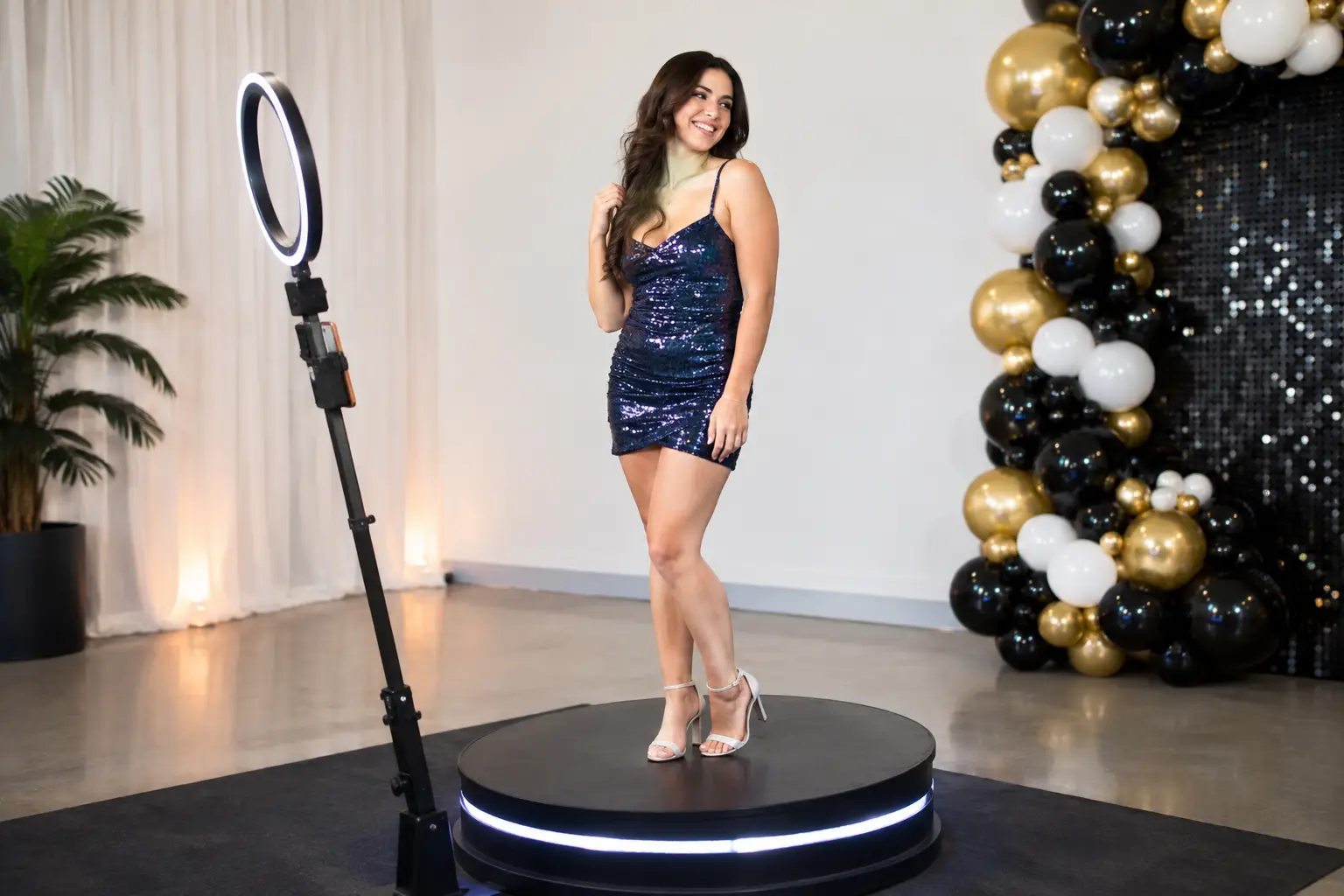
    Despite the name, a 360 photo booth usually produces video rather than a traditional printed photo. Guests stand on a platform while a camera arm circles them, capturing a dramatic slow-motion clip from every angle. Effects such as boomerang loops, overlays, branded frames, music, and confetti-style visual effects can transform a few seconds of movement into highly shareable content.

    That is the appeal. A standard photo booth preserves a pose. A 360 experience captures personality: a spin, a dance move, a champagne toast, a group entrance, or a perfectly timed hair flip. It gives guests permission to be playful while still delivering polished content they are proud to post.

    For corporate events, the format also gives brands more room to show up naturally. A custom overlay, campaign message, event logo, or themed visual treatment can appear in each finished clip without making the guest experience feel like an advertisement.

    Why Event Hosts Choose a 360 Booth

    A 360 booth works especially well when the goal is energy. It draws attention from across the room, gets guests moving, and gives people something fun to do between speeches, dinner courses, or dance-floor sets. At a wedding reception, it can become a lively late-night feature. At a launch party, it can create a stream of social-ready brand content. At a birthday celebration, it gives every guest their own mini red-carpet moment.

    It also solves a common event-planning challenge: entertaining different groups at once. The person who loves the dance floor, the guest who would rather pose with friends, and the family member who wants a memorable keepsake can all enjoy it in their own way.

    There is a trade-off, though. A 360 booth is more of a performance experience than a quick in-and-out photo station. It needs a little more room, a clear guest path, and an attendant who knows how to coach guests into the frame safely and confidently. If your priority is fitting large groups into one image or sending home printed photo strips, an open-air photo booth may be the better primary option. For many events, pairing formats can give guests the best of both worlds.

    Choose the Right Space Before You Choose the Effects

    The platform may be the centerpiece, but the surrounding area matters just as much. A 360 setup needs enough open floor space for the rotating arm, the operator, guests waiting their turn, and safe movement around the activation. It should never be squeezed into a narrow aisle, beside a busy bar line, or in a spot where people are constantly cutting through the shot.

    Look for an area with a clean backdrop, room for lighting, and visibility from the main event space. Guests should be able to see that something exciting is happening without the booth blocking entrances, catering service, or the dance floor. At larger venues in Los Angeles and Orange County, this often means placing the booth along a wall or in a dedicated activation zone rather than hiding it in a side room.

    Power and venue access deserve attention early. Confirm where the setup team can load in, whether elevators are involved, and what time the space becomes available. A professional team will handle the details on site, but sharing accurate venue information ahead of time helps prevent last-minute compromises.

    Lighting Makes the Video Feel Premium

    Good lighting is not optional when guests expect content they can post. A dim ballroom can feel beautiful in person but produce flat or grainy video without the right lighting equipment. Controlled booth lighting helps faces look bright, colors pop, and slow-motion footage stay crisp.

    This is also where a polished rental company stands apart from a novelty setup. The goal is not to blast guests with harsh light. It is to create flattering, camera-ready illumination that works with the room while keeping the video energetic.

    Keep the Background Intentional

    A plain wall can work, but an intentional background makes every clip look more finished. Depending on the event, that could mean a step-and-repeat, a branded backdrop, florals, balloons, drape, or a clean modern set piece. For a corporate activation, the backdrop should support the brand without becoming visually cluttered. For weddings and private parties, it should feel connected to the décor rather than like a separate production.

    Avoid placing the booth where guests will see service doors, stacked chairs, or an active buffet line behind them. The camera catches more than people expect.

    How to Get Guests Excited to Use It

    A 360 booth attracts attention, but a little direction keeps it busy all night. Put it where guests can see it, mention it during opening announcements, and let the attendant guide the first few groups. Once a few standout videos are playing or being shared, the line usually builds on its own.

    Props can help, but they should match the format. Since the camera captures movement, lightweight items work best: sunglasses, signs, boas, hand-held frames, themed accessories, or anything that adds motion without creating a safety issue. Giant props and overly complicated costumes can slow down the flow or get in the way of the rotating arm.

    Encourage simple actions rather than overthinking the performance. Guests can walk in a circle, throw their hands up, point to a sign, clink glasses, dance, or celebrate the guest of honor. The best clips often come from people having fun, not trying to choreograph a commercial.

    For branded events, give attendees a clear reason to participate. A product reveal, campaign hashtag, giveaway entry, or custom visual effect can make the booth feel connected to the event’s bigger purpose. Keep the instructions short. If guests need a tutorial before stepping on the platform, participation will drop.

    Customization That Feels Like Part of the Event

    Customization should make the content recognizable without taking over the screen. A well-designed overlay can include names, a wedding date, a company logo, or a campaign line while leaving space for the guests to be the focus. Music and effects should fit the mood too. A luxury gala, a bright birthday brunch, and a high-energy influencer event should not all receive the same visual treatment.

    This is why template design matters. Tiny details such as font choice, color, logo placement, and timing affect whether a video feels premium or generic. Flash Life Photo Booth builds experiences around the event rather than handing every client the same off-the-shelf output, which matters when your guests are used to high visual standards.

    What to Ask Before Booking

    Before selecting a provider, ask how they manage setup, guest safety, staffing, lighting, video delivery, customization, and venue coordination. The equipment is only part of the rental. A trained on-site attendant keeps the line moving, helps guests feel comfortable, watches the platform area, and makes sure the booth remains a highlight instead of another task for the host.

    Ask to see examples that match your event style. A company may have a great 360 setup, but you also want to know whether its lighting, overlays, and staff presentation align with the look you are creating. For a wedding or upscale corporate party, the visual quality should hold up on a guest’s phone as well as it does in the room.

    It is also smart to consider timing. If you only have the booth open during dinner, participation may be limited. Opening it during cocktail hour, after formalities, or alongside the dance floor usually gives guests more freedom to enjoy it.

    A 360 photo booth is at its best when it feels effortless to guests and fully handled for the host. Give it the space, lighting, and support it deserves, then let your guests create the kind of content that keeps the celebration alive long after the last song.

  • Green Screen vs Backdrop Photos: Which Fits?

    Green Screen vs Backdrop Photos: Which Fits?

    A photo booth can give guests a great picture in front of nearly anything – a floral wall, a step-and-repeat, the Hollywood sign, or a custom scene built around your brand. That is why the green screen vs backdrop photos decision matters more than it may seem. The choice affects the look of every print, how much creative flexibility you have, and whether the booth becomes part of the room’s design or creates a world of its own.

    For weddings, milestone parties, corporate celebrations, and entertainment events across Los Angeles and Orange County, there is no one-size-fits-all answer. The right setup comes down to your venue, theme, guest list, and what you want people to take home.

    Green Screen vs Backdrop Photos: The Core Difference

    A physical backdrop is exactly what guests see behind them when they step into the photo booth. It may be a sleek shimmer wall, a flower wall, a patterned fabric, a branded graphic, or a custom display that coordinates with the event decor. The final image captures the guests and the real backdrop together.

    A green screen setup uses a bright green background that is replaced digitally with a selected image or scene. Guests may pose in front of a tropical beach, a red-carpet setting, a movie-inspired landscape, a branded campaign design, or several different virtual backgrounds during the same event.

    Physical backdrops create an immediate visual moment in the venue. Green screen creates more possibilities in the finished photo. Both can produce polished, shareable images when the booth is professionally lit, the camera is properly positioned, and an attendant is there to keep the experience moving.

    When a Physical Backdrop Is the Better Choice

    A backdrop is often the strongest option when the room itself is part of the experience. Picture a wedding reception with warm candlelight, a black-tie gala with a dramatic sequin wall, or a birthday party built around bright florals and custom balloons. Guests can see the photo moment from across the room, which naturally draws them in.

    It also gives every photo a consistent, believable setting. There is no digital replacement involved, so details such as flowing dresses, champagne glasses, hats, feather boas, and oversized props appear exactly as they were. This can be especially appealing for couples and planners who want a timeless photo-strip look rather than a heavily edited effect.

    Physical backdrops work beautifully for events where the design is intentionally cohesive. If your stationery, linens, lounge furniture, and photo template all follow one color palette, a real backdrop can tie the entire room together. It is also a smart choice for events with a compact booth area, where guests need a simple walk-up experience that feels easy and natural.

    The trade-off is variety. Once guests have taken photos in front of one background, every image shares that setting unless you physically change the backdrop. For many weddings and private parties, that consistency is a benefit. For a large brand event or a crowd that thrives on repeat visits, it may feel limiting.

    Backdrops shine at events with strong decor

    Choose a physical backdrop when you want the booth to look like an intentional part of your event design. It is particularly effective for romantic weddings, elegant receptions, school dances, award nights, holiday parties, and branded activations that need a clean logo moment in every shot.

    A quality booth setup still matters. Great lighting flatters guests and gives the backdrop depth, while a thoughtful custom template turns each print into a keepsake rather than a generic souvenir.

    When Green Screen Is the Better Choice

    Green screen is built for creative range. It lets you take guests somewhere your venue cannot. A company celebrating a product launch can place attendees inside a campaign visual. A Hollywood-themed party can offer a premiere-night scene. A child or teen birthday can move from outer space to a tropical island to a game-inspired world without changing the booth footprint.

    That variety keeps guests coming back. One group may take a polished photo against a branded backdrop, then return five minutes later for a funny scene with props. Green screen gives people a reason to create more than one image, which is valuable at events where social sharing, guest engagement, and brand visibility are major goals.

    It is also a practical answer when a custom physical backdrop would be difficult, expensive, or impossible to build. If your event theme involves a city skyline, a fantasy setting, a destination wedding mood, or multiple sponsor looks, virtual backgrounds can deliver the concept without filling the venue with extra scenery.

    The trade-off is that green screen needs the right conditions. The screen must be evenly lit and guests need enough space to stand in the correct photo area. Very sheer fabrics, reflective items, and clothing close to the green screen color can occasionally create challenges. Experienced attendants know how to guide guests, adjust poses, and keep the line moving without making the process feel technical.

    Green screen is a standout for campaigns and high-energy parties

    For brand marketers, green screen offers a clear advantage: one activation can support multiple messages. A guest can pose with a product launch background, a sponsor frame, or a themed scene that matches a social campaign. The photos remain fun first, but each one can still carry your visual identity.

    It is equally exciting for private celebrations where the host wants an unexpected experience. If the theme is cinematic, travel-inspired, playful, or totally over the top, green screen makes the photo booth part of the entertainment instead of simply a station on the side of the room.

    Think About the Guest Experience, Not Just the Sample Image

    A backdrop photo can feel immediate. Guests see the setting, grab a prop, and pose. That simplicity is ideal for a mixed-age group, a formal reception, or an event with a fast-moving schedule.

    Green screen adds a small element of surprise because guests see the finished scene after the photo is taken. That reveal gets laughs, encourages repeat photos, and works especially well with energetic crowds. The best option depends on what your guests enjoy. A sophisticated dinner crowd may appreciate the elegance of a real floral or shimmer backdrop, while a company party full of teams ready to play may get more mileage from multiple virtual scenes.

    Also consider the photo booth itself. An open-air booth gives larger groups room to pose with a visible backdrop, while an enclosed booth can create a more private, nostalgic photo-strip experience. A green screen can work with either format when the space and lighting are planned correctly.

    Match the Choice to Your Venue

    Venue conditions can make the decision easy. A ballroom, studio, or event space with room for a prominent photo moment is ideal for a statement backdrop. It can become a design feature, not just a photo station.

    At a tighter venue, a green screen may offer more visual impact without requiring a large custom installation. It is also useful when the room’s existing walls, carpeting, or architectural details do not match the event theme. Instead of fighting the venue, you can create a finished image that feels fully on-brand.

    Outdoor events deserve extra planning. Wind, changing sunlight, and uneven ground can affect any photo setup. A physical backdrop needs to be secured, while green screen requires controlled lighting for the cleanest digital result. Share venue photos and the event timeline with your photo booth provider early so the setup can be tailored to the location.

    Budget, Customization, and What Guests Keep

    Neither option is automatically the “premium” choice. Premium comes from execution: attractive lighting, crisp image quality, a booth that suits the event, a well-designed print layout, quality props, and staff who know how to manage the experience.

    A physical backdrop may be the best investment when it can be reused as decor or when one signature look is all you need. Green screen can add strong value when multiple backgrounds replace the cost and logistics of several physical designs. For a corporate event, it can also help extend one booth activation across different audiences or campaign moments.

    Before booking, ask how backgrounds will look in both printed and digital photos, whether your template can be customized, how much space is required, and who will be on-site to operate the booth. These details shape the guest experience far more than a quick online sample image.

    Flash Life Photo Booth has seen both approaches energize a room, from polished wedding receptions to high-visibility branded events. The best choice is the one that makes guests want to step in, loosen up, and leave with a photo that feels like it could only have happened at your event.

    If you want the booth to blend into an elevated room design, choose a backdrop that earns its place in the decor. If you want guests to pose on a red carpet, in a faraway destination, and inside your campaign world all in one night, give green screen the stage.

  • Photo Booth Quality Standards That Matter

    Photo Booth Quality Standards That Matter

    When a photo booth looks great on a booking page but delivers dim prints, awkward cropping, and a bored attendant on event night, the problem is not bad luck. It is a failure in photo booth quality standards. For weddings, brand activations, school events, and upscale private parties, quality is not one thing. It is the full chain of equipment, lighting, design, staffing, and execution working together under pressure.

    That matters even more in Southern California, where guests have seen enough events to know the difference between a polished booth experience and a budget add-on. If you are booking for Los Angeles, Orange County, Hollywood, or nearby markets, the booth has to do more than exist in the corner. It needs to photograph people well, move efficiently, match the event, and hold up all night.

    What photo booth quality standards really include

    Most people start with the photos, which makes sense. If the images are soft, overexposed, badly lit, or printed on flimsy stock, guests notice immediately. But real quality standards go beyond image sharpness.

    A strong booth should produce flattering light for different skin tones, heights, and group sizes. It should have a camera and lens setup that creates clean, crisp images instead of grainy snapshots. The print output should be consistent from the first session to the last. Digital sharing should also be fast and reliable, because guests expect to post and send their photos without waiting around.

    Then there is the experience side. A beautiful booth can still fail if setup runs late, props look worn out, the backdrop wrinkles, or the attendant cannot manage a line. That is why the best photo booth quality standards cover both production quality and service quality. One without the other feels incomplete.

    The camera and lighting are the real baseline

    If a booth company cannot explain how it creates flattering photos, that is a red flag. High-quality booths do not rely on a tablet camera and hope for the best. They use professional-grade imaging equipment and lighting that is designed for events, not improvised for convenience.

    Lighting is often the difference between photos guests keep and photos they forget. A solid setup creates even illumination without blowing out faces or leaving shadows under eyes. It should also be adjustable for the room. Ballroom lighting, outdoor cocktail hour lighting, and nightclub lighting all behave differently. A booth that performs well in one setting may struggle in another if the operator does not know how to adapt.

    This is where experience shows. The right team checks the venue conditions, positions the booth carefully, and fine-tunes for the environment. That sounds simple, but it is one of the clearest separators between premium service and a low-cost rental.

    Why flattering photos are the standard, not a bonus

    Guests do not care how advanced the camera is if they do not like how they look. The standard should be flattering, consistent photos across a full event guest list – couples, kids, grandparents, large groups, and fast-moving party crowds.

    That means enough lighting coverage, proper framing, and a booth style that works with the type of event. Open-air booths can be excellent for larger groups and branded environments. Enclosed booths create a more private, nostalgic feel and often bring out a different kind of guest energy. Green screen setups demand even more technical precision because lighting and subject separation have to be right or the final image looks fake.

    Print quality still matters more than people think

    Digital sharing gets plenty of attention, but print quality is still one of the easiest ways to judge standards. Cheap prints fade, curl, smear, or feel disposable. Premium prints look sharp, feel substantial, and hold their color.

    There is also a design factor. The photo template should look intentional, not like clip art from ten years ago. Fonts, spacing, logo placement, and event branding all need to feel clean and cohesive. At a wedding, the print should feel worthy of a keepsake. At a corporate event, it should feel on-brand without looking forced.

    This is one area where customization matters. A company that handles design thoughtfully is usually paying attention elsewhere too. Details tend to travel together.

    Staffing is part of the quality standard

    One of the biggest mistakes event hosts make is judging a booth by equipment alone. The attendant is part of the product.

    A strong on-site team member keeps the booth running, guides guests naturally, solves small issues before they become obvious, and maintains the pace of the experience. They know when to be energetic and when to stay in the background. At a wedding, that may mean helping guests jump in quickly between dances. At a branded event, it may mean keeping traffic moving while preserving the client experience.

    A weak attendant does the opposite. The booth gets messy, guests get confused, and the line slows down. Even great hardware cannot hide poor service.

    Smooth setup is not optional

    Setup should be organized, early, and venue-aware. That means knowing power needs, load-in timing, footprint requirements, and traffic flow. It also means presenting a clean setup from every angle. Loose cables, crowded prop tables, and a booth jammed into a dark corner weaken the whole effect.

    For planners and hosts, professionalism behind the scenes is part of what you are paying for. You should not be managing your booth vendor on event day.

    Booth style should match the event, not just the package

    Not every booth format meets the same quality standard for every event. It depends on the crowd, the venue, and the event goals.

    An open-air booth is ideal when you want visibility, larger group shots, and flexible backdrop styling. It becomes part of the room energy. An enclosed booth creates a more intimate guest moment and often works well for parties where the booth itself is part of the nostalgia and fun. A green screen booth can be a standout for themed parties and corporate activations, but only if the virtual backgrounds are convincing and the execution is clean. A 360 booth creates motion content and social excitement, but it requires enough space, crowd management, and production polish to feel elevated rather than chaotic.

    That is the trade-off many clients miss. The most popular booth type is not always the right one. The real standard is fit. The booth should make sense for the event instead of forcing the event to adapt to it.

    Reliability is where premium service earns its price

    Anybody can promise fun. The better question is whether the booth will perform for the full run of the event.

    Reliable service means equipment that is maintained properly, backup plans for technical issues, and a team that has done enough events to stay calm when conditions change. Maybe the timeline shifts. Maybe the venue changes the layout. Maybe guest traffic surges all at once. A quality provider adjusts without letting the event feel the disruption.

    This is especially important for high-visibility events where timing and presentation matter. Weddings do not get a second take. Corporate events do not want branding errors. School and milestone events need vendors who can handle excitement without losing control of the flow.

    A seasoned company like Flash Life Photo Booth builds quality into the full process – custom design, strong lighting, polished booth options, and trained staff who know how to deliver under live event conditions. That kind of consistency is what clients remember.

    How to judge quality before you book

    The easiest way to evaluate a booth company is to ask specific questions and look for specific proof. Ask what camera and lighting setup they use, but also ask to see full sample galleries rather than a few hero images. A single great photo proves very little. A full event gallery shows consistency.

    Ask about print materials, template customization, and who handles design. Ask whether an attendant is included and what that person actually does on-site. Ask how early they arrive, how they handle venue coordination, and what backup plans they have if equipment fails.

    You should also pay attention to how they communicate before the event. Fast, clear, confident communication is usually a preview of event-day performance. If getting basic answers is difficult during booking, it rarely gets easier later.

    The cheapest booth is usually expensive in the wrong ways

    Budget matters. Every client has a number in mind. But there is a difference between value and cheap.

    A low quote can mean weaker equipment, weaker staffing, generic templates, lower print quality, or less reliable execution. Those shortcuts may not show up in a package description, but they show up fast in the guest experience. If the booth is part of the entertainment and part of what guests take home, that is not a smart place to cut corners.

    The better approach is to ask what standard you want your event to meet. If the answer is polished, fun, and memorable, then the booth should support that from first photo to final teardown.

    The right photo booth does more than hand out strips. It adds energy to the room, gives guests something they actually want to keep, and makes the host look like they chose well.

  • Corporate Booth Activation Guide for Events

    Corporate Booth Activation Guide for Events

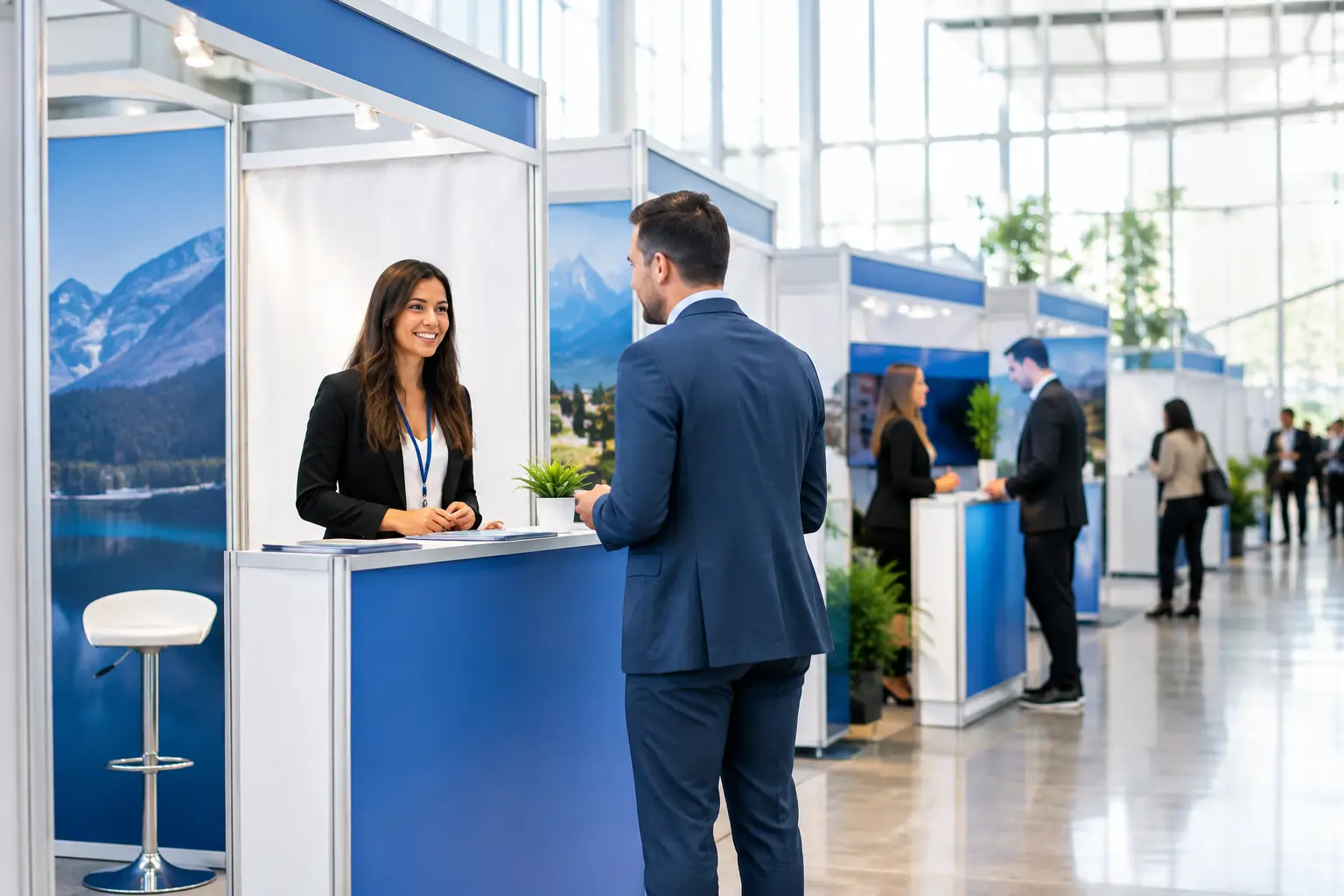
    A busy trade show floor gives you about three seconds to earn a second look. That is why a strong corporate booth activation guide matters. The right activation does more than decorate a footprint – it pulls people in, gives them a reason to stay, and turns casual passersby into real brand interactions.

    At branded events, conferences, product launches, and media-facing experiences, attention is the currency. You are not just filling space. You are building a live brand moment that needs to feel polished, fast-moving, and worth sharing. A booth that looks great but feels passive will get outperformed by one that gives people something to do, post, and remember.

    What a corporate booth activation guide should solve

    A useful corporate booth activation guide should answer one question first: what is this activation supposed to do? Some brands want lead capture. Others want social buzz, product education, media-friendly visuals, or a longer dwell time at the booth. Sometimes you want all of that, but one goal still needs to lead.

    That choice shapes everything else. If your top priority is lead generation, the activation should move guests through quickly and connect cleanly to registration, QR capture, or follow-up. If your goal is brand awareness, the experience needs stronger visual identity, more shareable moments, and a setup that photographs well from across the room. If the event is client-facing or executive-heavy, the tone may need to feel elevated rather than loud.

    This is where a lot of booths miss. They try to be interactive, branded, premium, fast, and highly customized all at once without thinking through traffic flow. Great activations are exciting, but they are also disciplined.

    Start with the guest experience, not the equipment

    The most effective booth activations are planned from the attendee’s point of view. A guest should understand what is happening in seconds. Is it a photo moment? A short branded challenge? A 360 video? A green screen experience tied to a campaign theme? If people have to stop and decode the setup, you lose momentum.

    Keep the path simple. The guest notices the activation, steps in, participates, receives content, and leaves with a clear brand impression. Every extra step creates drop-off. That does not mean the experience has to be basic. It means the complexity should happen behind the scenes, not in front of the user.

    For many corporate events, photo and video activations work because they solve several problems at once. They create energy, generate branded content, give attendees a takeaway, and make the booth look active from a distance. They also fit different event types, from sleek product launches to high-volume convention floors.

    Choosing the right booth activation format

    Not every booth style fits every event. A corporate audience at a daytime conference may respond differently than guests at an evening holiday party or entertainment-industry event. The format needs to match the room, the audience, and the pace.

    An open-air photo booth is a strong choice when you want visibility. It lets groups jump in quickly, keeps the activation feeling social, and shows the crowd that something fun is happening. That matters on a packed event floor where visual movement helps attract the next guest.

    An enclosed booth creates a more private, nostalgic, and often more playful experience. It can work especially well at company parties, branded VIP lounges, or events where guests want a little more intimacy. The trade-off is visibility. People outside the booth cannot always see the fun happening inside, so the exterior branding has to work harder.

    A green screen activation is ideal when the campaign theme matters. It gives your brand the ability to place guests inside a custom environment without building a massive scenic install. That can be a big advantage when you want a high-impact look with more flexibility. The catch is that the creative needs to be strong. A weak digital backdrop can feel cheap fast.

    A 360 booth brings movement and a strong social feel. It is a high-attention format and often performs well for launches, celebrations, and entertainment-forward events. Still, it takes more space, more time per group, and more crowd management. If your event needs high throughput, that may not be the best lead format unless you build the queue experience carefully.

    Branding without making it feel forced

    The best branded activations do not slap a logo on every visible surface and call it strategy. They build the brand into the full experience. That includes the backdrop, the booth wrap, the lighting style, the on-screen prompts, the digital delivery, and the final photo or video template.

    Branding should feel intentional and camera-ready. If the setup is overloaded, guests may feel like they are stepping into an ad instead of an experience. On the other hand, if branding is too subtle, people may post content that does little for your campaign. The sweet spot is a booth that clearly belongs to your brand while still feeling fun enough that people want to engage with it.

    Color matters. So does copy. So does the quality of the final output. A luxury-adjacent brand may want clean graphics, restrained motion, and editorial-style lighting. A younger consumer brand may want bolder colors, playful props, and high-energy overlays. Same tool, different execution.

    Why staffing changes the result

    Even the best-looking activation can fall flat without the right on-site team. Booth staff are not just there to press buttons. They set the pace, invite guests in, explain the experience quickly, manage the line, and keep the energy up without making it feel chaotic.

    This matters even more at corporate events where the room may include clients, executives, media, or sponsors. You want staff who know how to be friendly, polished, and efficient. If a booth operator looks lost or disengaged, guests notice. If the team is sharp, the whole activation feels more premium.

    Experienced staffing also protects the guest experience when things get busy. Peak traffic can turn a great idea into a bottleneck. A seasoned team knows how to keep things moving while still making each interaction feel personal.

    The operational side of a corporate booth activation guide

    A glamorous setup still needs practical planning. Power access, Wi-Fi conditions, load-in timing, venue restrictions, footprint dimensions, and branding approvals all affect the final result. These details are not the exciting part, but they are often what separates a smooth event from a stressful one.

    Timing is one of the biggest variables. If your event has a short cocktail hour, a long-form interactive experience may create lines that guests never get through. If your event runs for several hours, you have more room for a richer activation. The same goes for physical layout. A booth near the entrance may get stronger traffic, but it also needs better crowd control. A booth tucked into a corner may need stronger visual draw.

    This is where working with an experienced vendor helps. A seasoned partner will ask the questions many clients do not know to ask yet. In Southern California, where branded events often need to look polished and move fast, that level of preparation is not optional.

    Measuring success beyond foot traffic

    A crowded booth is exciting, but volume alone does not tell the whole story. You should define success before the event starts. That might mean number of sessions, number of branded shares, lead captures, average dwell time, or total content deliveries.

    Some events benefit from broad reach. Others care more about quality conversations with a smaller guest list. A booth at a private brand dinner does not need convention-floor numbers to be successful. It needs the right guests interacting in a meaningful way.

    The smartest activations blend energy with purpose. If people line up, have a great time, and leave with content that carries your branding naturally, the booth is doing real work. If it looks busy but delivers no memorable takeaway, you paid for motion instead of impact.

    Make the booth fit the moment

    A strong corporate activation feels native to the event around it. It matches the audience, respects the timeline, and supports the larger brand goal instead of competing with it. That is why the best results usually come from customization, not cookie-cutter packages.

    At Flash Life Photo Booth, we have seen the difference that tailored design, strong lighting, polished staff, and high-quality output make at branded events across Los Angeles and Orange County. Guests notice when the experience feels elevated. Brands notice when people actually engage.

    If you are planning your next event, think beyond the booth itself. Think about the moment people will remember, the image they will share, and the feeling they will attach to your brand after they walk away. That is where a great activation earns its value.

  • Photo Booth Setup Checklist for Events

    Photo Booth Setup Checklist for Events

    A photo booth that looks amazing on Instagram can still flop in real life if the setup is off by a few feet, one missing outlet, or a bad traffic pattern. That is why a smart photo booth setup checklist matters so much. The booth itself gets the attention, but the setup is what makes the experience feel easy, polished, and genuinely fun for your guests.

    If you are planning a wedding, birthday, school event, or branded activation in Los Angeles or Orange County, setup details are not small details. They shape the line length, photo quality, guest participation, and how smoothly the night runs. A strong booth experience should feel exciting, not cramped, delayed, or thrown together.

    Why your photo booth setup checklist matters

    Hosts usually focus first on the booth style. That makes sense. Open-air booths create a social, high-energy look. Enclosed booths add privacy and a nostalgic feel. Green screen setups bring in custom branding and themed backdrops. A 360 booth changes the whole vibe and becomes more of a live attraction.

    But the right booth can still underperform in the wrong spot. A glamorous wedding booth loses its magic if guests are packed shoulder to shoulder near a service hallway. A corporate booth with custom branding misses the mark if the backdrop is wrinkled, the lighting is flat, or the line blocks sponsor signage. Setup is where good ideas either become a standout event feature or turn into one more thing the planner has to troubleshoot.

    Start with the footprint, not just the booth

    The first thing on any photo booth setup checklist should be space. Not just the dimensions of the booth itself, but the full operating footprint. That includes room for the backdrop, lighting, printer station if included, props table, attendant movement, and guest line.

    This is where many event layouts go sideways. A booth may technically fit in an eight-by-eight area, but that does not mean it will function well there. Open-air booths usually need more breathing room so larger groups can step in comfortably and the camera can frame everyone cleanly. Enclosed booths may take less visible space, but they still need room for entry, exit, and guest circulation.

    At weddings and private parties, placing the booth near the main action often boosts participation. At corporate events, visibility can be great for brand exposure, but too much congestion near registration or bar service can create a traffic problem. It depends on the event flow. The best placement feels easy to find without interrupting everything else.

    Think about guest traffic

    A booth works best when guests can approach it naturally. Corners can be great if they still feel inviting. Dead-end spaces usually are not. If guests have to squeeze past catering staff, DJ equipment, or banquet chairs just to get a photo, usage drops.

    You also want enough space for people to watch. One reason open-air booths perform so well is that they create energy around them. People see friends taking photos, laugh at the props, and want in. If the booth is hidden too well, that momentum disappears.

    Power should never be an afterthought

    A professional booth setup lives or dies by reliable power. Cameras, lighting, printers, monitors, sharing stations, and 360 equipment all have different power needs. The cleanest-looking setup in the room is useless if the nearest outlet is across the dance floor.

    Your venue should confirm where dedicated outlets are located and whether they can handle the booth equipment without sharing heavily with bands, DJs, catering gear, or production lighting. In higher-end venues and larger activations, this matters even more because multiple vendors may be pulling from the same areas.

    Extension cords can help, but they should never become a visual mess or a safety issue. Good setup planning hides cords, secures pathways, and avoids last-minute improvising. If an event is outdoors, power planning gets even more important. Weather, distance, and surface conditions all affect what is realistic.

    Lighting can make or break the photos

    This part gets overlooked all the time. People assume a booth brings its own lights, so the room lighting does not matter. It still matters. Built-in booth lighting is designed to flatter guests, but strong colored uplighting, dim amber ballroom lighting, direct sun, or mixed lighting can all affect the final result.

    The ideal booth location avoids harsh backlighting and strange color casts. If the event is outdoors, timing matters. Late afternoon can be beautiful, but direct sunlight can create exposure challenges and make guests squint. Nighttime setups need enough surrounding visibility for comfort, even if the booth itself is properly lit.

    For premium-looking images, the booth should sit where the lighting can work with the environment, not fight it. That is especially true for branded events and weddings where people expect photos they actually want to save and share.

    Match the setup to the booth type

    Not every photo booth setup checklist looks the same because not every booth behaves the same way. That is where experience really shows.

    Open-air booths

    Open-air setups are flexible and social. They are excellent for group shots, custom backdrops, and events where you want the booth to be part of the room’s energy. They do, however, need enough distance from the camera to the guest area and enough width for people to gather without blocking surrounding activity.

    Enclosed booths

    Enclosed booths create a more private experience, which many guests love. They can work well in tighter layouts, but they still need enough surrounding space so guests can queue comfortably and the booth does not feel jammed into a corner.

    Green screen booths

    Green screen setups need extra attention to lighting and spacing. The effect only looks polished when the background is evenly lit and the guest area is positioned correctly. If the setup is rushed or squeezed, the illusion falls apart fast.

    360 booths

    A 360 booth is less like a standard booth and more like an attraction. It needs a safe operating perimeter, a strong floor surface, and clear crowd management. These setups can draw major attention, which is great for energy, but they need room to do it well.

    Don’t forget the guest experience around the booth

    The booth area should feel like part of the event, not a technical station dropped into the room. That means thinking about what guests see before they step in and what happens right after they leave.

    Props should be accessible but not chaotic. Signage should be clear without looking cluttered. If prints are part of the package, there should be a natural spot for guests to collect them without piling up in front of the camera. If digital sharing is offered, it should not slow down the next group.

    An on-site attendant makes a big difference here. They keep the pace moving, help guests feel comfortable, reset props, answer questions, and make sure the booth stays camera-ready all night. For upscale events and high-visibility activations, that level of support is not an extra. It is part of what makes the experience feel polished.

    Venue rules can change the whole setup

    Some venues are booth-friendly. Others come with real restrictions. Load-in times, elevator access, parking, carpet protection, power usage rules, outdoor limitations, and insurance requirements can all affect what is possible.

    This is one of those areas where early communication saves major headaches. If your venue only allows a short setup window, the booth team needs to know. If the event is on a rooftop, beachside patio, or historic property, access and surface conditions may shape what booth type makes sense.

    A good plan is never just about what looks best online. It is about what will operate cleanly in the actual venue, with the actual schedule, under real event-day conditions.

    A practical photo booth setup checklist before event day

    Before your event, confirm the booth type, setup footprint, outlet location, load-in details, lighting conditions, and guest traffic plan. Make sure the backdrop or booth style fits the event design. Check whether props, prints, digital sharing, branding, and staffing are included. If the booth is outdoors, confirm weather backup options.

    Just as important, know who is responsible for what. Some rental companies drop off equipment. Others handle the full experience with delivery, setup, operation, and breakdown. For hosts who want one less thing to manage, full-service support is usually worth it.

    That is especially true for weddings, corporate events, and entertainment-industry functions where timing and presentation matter. A booth should add energy, not create another moving part for the planner to babysit.

    The setup should feel invisible to guests

    The best booth setups are the ones guests barely think about. They just walk over, look great, have fun, and leave with photos they love. That only happens when the planning behind the scenes is tight.

    At Flash Life Photo Booth, that is the standard guests notice without always realizing why. The lighting flatters. The booth placement makes sense. The line moves. The prints look sharp. The whole thing feels easy.

    When you are choosing a booth for your event, ask about setup with the same energy you bring to style and features. Great photos start before the first flash goes off.

  • Why Rent a Photo Booth for Your Event?

    Why Rent a Photo Booth for Your Event?

    The moment dinner slows down or guests start hovering near the bar, every host feels the same question creeping in – how do you keep the energy up without forcing it? That is exactly why rent a photo booth becomes such a smart event decision. It is not just an extra activity. It is entertainment, a social magnet, and a built-in memory maker that gives people something fun to do while your event keeps moving.

    A great photo booth does more than print a strip with a logo on it. It gives guests a reason to gather, laugh, loosen up, and walk away with something real. At weddings, it fills the gap between formal moments and the dance floor. At birthday parties, it keeps every age group involved. At corporate events, it turns passive attendees into active participants. When the booth looks good, the lighting is right, and the experience is managed by pros, it becomes part of the event atmosphere instead of a side attraction.

    Why rent a photo booth instead of adding another activity?

    Some event add-ons sound good on paper but do not change the room. A photo booth does. People understand it instantly, and they want to use it. There is no learning curve, no waiting for a scheduled performance, and no pressure to participate in a way that feels awkward. Guests can jump in for ten seconds or stay for multiple rounds with different groups.

    That flexibility matters. Not everyone wants to dance. Not everyone wants to mingle with strangers. But almost everyone will step into a well-designed booth with good lighting and a fun setup. It gives guests a low-pressure way to be part of the action.

    There is also a practical reason hosts choose it over other entertainment. A booth works across the entire event instead of filling one short slot. It stays active during cocktail hour, after speeches, during reception transitions, and deep into the party when guests are fully warmed up. You are not paying for a moment. You are paying for ongoing engagement.

    It gives guests something to do that feels natural

    The best events do not feel overprogrammed. They feel alive. A photo booth helps create that balance because it gives people a reason to interact without making the experience feel staged.

    Friends pile in together. Couples grab a quick shot. Coworkers who barely spoke during the formal part of the evening suddenly end up laughing in front of the camera. That kind of interaction changes the room. It creates movement and conversation, especially for guests who may not know many people.

    This is one of the biggest reasons event planners and hosts keep coming back to photo booth rentals. They know the booth helps break up awkward lulls and keeps the crowd engaged in a way that feels easy. You are not pushing entertainment at your guests. You are giving them a fun option they naturally gravitate toward.

    The photos are the takeaway people actually keep

    Party favors are nice in theory, but a lot of them get left on tables or forgotten in cars. Photos are different. People keep them. They put them on the fridge, save them in albums, text them to friends, and post them the same night.

    That matters because your event only lasts a few hours. The photos extend it. Weeks later, people still have proof of the fun they had. For weddings and milestone celebrations, that emotional value is obvious. For branded events and corporate activations, it is just as useful because guests leave with something connected to the experience.

    Of course, this only works if the output looks good. Cheap booths produce cheap-looking results, and guests notice. Strong lighting, sharp image quality, clean design, and a professional setup make the difference between a novelty and a keepsake. That is where premium service matters.

    A booth can match the style of the event

    One reason some hosts hesitate is simple: they worry the booth will feel cheesy or out of place. That concern is fair. Not every booth fits every event.

    The good news is that modern rentals are not one-size-fits-all. An open-air booth can feel sleek, social, and flexible for weddings and larger parties. An enclosed booth brings a more classic, private experience that guests love for candid, playful shots. Green screen setups can create fully customized scenes for themed parties and branded events. A 360 booth brings a high-energy, attention-grabbing element for hosts who want a more immersive moment.

    So when people ask why rent a photo booth, the better question is often which type of booth makes sense for the crowd, venue, and tone of the event. A polished wedding reception may call for something elegant and photo-forward. A product launch may need branded templates and a high-traffic setup. A birthday party might benefit from props, movement, and a more playful feel. It depends on the room and the experience you want guests to remember.

    It takes pressure off the host

    A lot of event planning comes down to one goal: creating a smooth guest experience without spending the whole night managing it yourself. That is another major reason to rent a booth.

    When the provider handles setup, teardown, operation, and guest interaction, the booth becomes one less thing for you to think about. Guests stay entertained, people have a place to gather, and the event keeps flowing while you focus on everything else.

    This is especially important at weddings, school events, and corporate functions where timing matters and the host already has enough on their plate. A staffed booth keeps lines moving, helps guests use the experience correctly, and makes sure the final images look polished. Without that support, even a good concept can feel clunky.

    Experienced event hosts understand this trade-off. The cheapest option is not always the easiest one. Reliability matters. So does presentation. If a booth is poorly lit, late to set up, or hard for guests to use, it adds stress instead of removing it.

    It works for both private parties and branded events

    A lot of event features only make sense in one setting. A photo booth has a wider range because the core appeal stays the same – people like being photographed when the experience is fun and flattering.

    At private events, the booth creates memories and adds personality. It gives the birthday guest, couple, or host a collection of moments they would not have captured otherwise. Some of the best booth photos are not formal at all. They are spontaneous, funny, and full of life.

    At corporate events, the benefits expand. Branded overlays, custom backdrops, and event-specific templates turn each session into a piece of branded content. Guests engage longer, teams loosen up, and sponsors get more visibility. For entertainment and high-profile events, the booth also adds a strong visual component that fits the energy of the room.

    That range is one reason companies like Flash Life Photo Booth continue to be booked across weddings, private celebrations, school functions, and major branded experiences throughout Southern California. The booth format is flexible enough to serve very different goals while still delivering the same core value: fun, interaction, and memorable images.

    The right booth adds energy without overpowering the event

    Not every event needs the loudest attraction in the room. Sometimes the best entertainment is the kind that supports the flow instead of stealing it.

    A well-placed booth does exactly that. It creates a destination inside the event, gives people a reason to move around, and adds excitement without interrupting the schedule. Guests can use it on their own time. That is part of why it feels so effective. It fits into the party rather than competing with it.

    There is also a visual benefit. A stylish booth setup, attractive backdrop, clean prints, and quality props all contribute to the overall production value of the event. For hosts who care about aesthetics, that matters just as much as the entertainment itself.

    So, why rent a photo booth?

    Because it solves more than one problem at once. It keeps guests engaged, creates natural interaction, produces shareable keepsakes, and adds a polished entertainment element that works across almost any kind of celebration.

    The key is choosing a booth experience that matches the event instead of treating all rentals as equal. Style matters. Image quality matters. Service matters. The right booth can help make the night feel more alive, more social, and more memorable for everyone in the room.

    If you are planning an event and want something guests will actually use, talk about afterward, and remember when the night is over, a photo booth is one of the easiest yes decisions you can make.

  • Open Booth vs Enclosed Booth: Which Fits?

    Open Booth vs Enclosed Booth: Which Fits?

    The choice between open booth vs enclosed booth usually comes down to one simple question: what kind of energy do you want in the room? A photo booth is not just a side attraction. It affects traffic flow, guest interaction, the look of your event, and the kind of photos people take home. Pick the right format, and it feels like a natural part of the celebration. Pick the wrong one, and it can feel out of sync with everything else you planned.

    For weddings, birthday parties, school events, and branded activations across Southern California, this decision matters more than people expect. Some hosts want a booth that pulls everyone in and becomes part of the party. Others want a more private experience that gives guests permission to loosen up. Both can be a hit. The best option depends on your crowd, your space, and the style of event you are building.

    Open booth vs enclosed booth: the big difference

    An open booth is exactly what it sounds like. It uses a camera setup, lighting, and backdrop in an open area, so guests step in without walls or curtains around them. It feels modern, social, and highly visible. People see others taking photos, which naturally builds interest and keeps the booth active.

    An enclosed booth creates a more tucked-away experience. Guests step inside a defined booth structure, often with some level of privacy from the rest of the room. It has that classic photo booth feel people instantly recognize, but with upgraded image quality, better lighting, and a more polished event presence when done right.

    Neither one is automatically better. This is not a quality question. It is a format question.

    Why open booths are so popular at modern events

    Open-air booths work especially well when you want the booth to be part of the atmosphere instead of hidden off to the side. They tend to attract attention fast because everyone can see the action. At a wedding reception, that means your guests watching a group squeeze in for a fun shot and deciding they want a turn too. At a corporate event, it means the activation stays visible and keeps drawing traffic.

    They also usually allow for larger group photos. That is a major advantage if your guest list includes families, bridal parties, friend groups, or coworkers who want to jump in together. In an open format, there is simply more room to work with. If your goal is energy, volume, and group participation, an open booth has a clear edge.

    There is also a design benefit. Open booths can be styled more flexibly with custom backdrops, branded visuals, floral walls, or green screen options. If event aesthetics matter to you, that flexibility is a big deal. The booth becomes part of the visual design instead of just a utility.

    That said, open booths are not ideal for every crowd. Because they are public, some guests feel more self-conscious. Not everyone wants an audience while they pose. If your guests are reserved, older, or less likely to jump into center stage, the open format may need stronger host encouragement or a great attendant to get momentum going.

    Where enclosed booths still win

    An enclosed booth has something an open booth cannot fully replicate: privacy. That changes behavior in the best way. Once guests step inside, they tend to relax, get silly, and take more candid photos. People who would never pose in the middle of a room often become the most enthusiastic booth users when they have a little separation from the crowd.

    That is why enclosed booths continue to perform so well at parties where nostalgia, spontaneity, and personality matter. There is a reason the classic booth experience still has staying power. It gives guests a mini escape from the event, and that often leads to more genuine expressions and more memorable photo strips.

    Enclosed booths can also feel like a feature rather than just a station. They have a distinct footprint and presence. For some events, especially those with a playful, retro, or lounge-like vibe, that look works beautifully.

    The trade-off is capacity. Enclosed booths usually fit fewer people at once than open setups. If you expect a lot of large-group participation, that matters. They can also feel less integrated into the room visually, since the experience happens inside the booth instead of out in the open.

    Open booth vs enclosed booth for weddings

    At weddings, the right answer often depends on your guest mix and reception style. If your wedding is lively, social, and visually styled down to the last detail, an open booth often fits naturally. It allows more guests in a frame, complements custom decor, and creates a fun visible moment on the floor. It is especially strong for larger weddings where you want a constant stream of activity.

    If your wedding crowd includes guests who are a little more camera-shy, an enclosed booth can be the better move. It gives people permission to be playful without feeling watched. That can be a huge advantage if you want everyone from your college friends to your grandparents to actually use the booth.

    There is also a timing factor. Open booths keep lines moving well when groups rotate quickly. Enclosed booths can encourage longer sessions because guests settle in and enjoy the privacy. Neither is wrong, but if you have a tight reception timeline, it is worth thinking about guest flow.

    Which booth works best for corporate and branded events?

    For brand activations, product launches, and company events, open booths usually have the stronger business case. Visibility matters. Sponsors and marketing teams want people to see the experience happening. A well-lit open booth with branded overlays, custom backdrops, or green screen imagery creates a stronger public-facing activation and helps maximize participation.

    Open booths are also easier to tailor to branding goals. You can design the background, photo template, and surrounding footprint so the booth feels fully integrated into the campaign. When the photos are meant to be shared, the open format supports that social energy.

    Enclosed booths can still work for corporate settings, but they are more niche. They make sense when the experience is intentionally intimate, nostalgic, or built around surprise and personality rather than public spectacle. For entertainment industry parties or VIP lounges, that can be a smart fit. For trade show visibility, less so.

    Think about your venue before you decide

    Space changes everything. An open booth needs enough room not just for the setup, but for the line, the backdrop, and guests gathering nearby. If your venue has a spacious ballroom, outdoor patio, or open floor plan, that is easy to accommodate. If the event footprint is tight, the booth can start competing with dining, dancing, or general circulation.

    An enclosed booth has a more contained footprint, which can help in some layouts. But because it is a physical structure, it still needs smart placement and clean access. Tight corners and awkward traffic patterns can make either option feel cramped if the booth is treated like an afterthought.

    This is where working with an experienced event vendor matters. The booth should support the room, not fight it.

    Guest personality matters more than trends

    A lot of people choose based on what looks current, and that is understandable. Open-air setups have become the dominant modern look for a reason. They photograph beautifully, feel polished, and suit a wide range of event styles.

    But trends should not override guest behavior. If your crowd loves being seen, loves group photos, and feeds off visible energy, open is the easy call. If your crowd needs a little privacy to fully let loose, enclosed may outperform it all night.

    That is the real answer to open booth vs enclosed booth. It is not about which booth is more popular online. It is about which one your guests will actually use.

    Quality matters more than the booth style

    Hosts sometimes get stuck on format and forget the bigger issue: execution. An open booth with weak lighting and cheap prints will never outperform a well-run enclosed booth. The same goes in reverse. Great image quality, flattering lighting, sharp template design, fun props, and an experienced on-site attendant all shape the guest experience far more than people realize.

    That is especially true for upscale weddings and branded events. Guests notice when the photos look polished. They notice when the booth area feels organized. They notice when the attendant is engaged and keeps the line moving without killing the fun.

    A premium booth experience should feel easy from the guest side and fully handled from the host side.

    If you are planning an event in Los Angeles or Orange County and weighing open booth vs enclosed booth, start with the room, the guest personality, and the type of energy you want to create. Then choose the booth that supports that vision instead of forcing one. The right setup does more than take pictures. It helps the whole event feel more alive.