Category: Uncategorized

  • Photo Booth Reliability for Events That Matter

    Photo Booth Reliability for Events That Matter

    A photo booth can be the first place guests gather after cocktail hour, the reason a shy coworker joins the fun, and the source of keepsakes people post before the night is over. That is why photo booth reliability is not a small technical detail. For a wedding, brand activation, birthday, or Hollywood-style celebration, it is part of the guest experience you are trusting a vendor to protect.

    A booth that looks great but freezes halfway through the reception is not premium. Neither is a setup that arrives late, creates a line no one can manage, or produces photos that look dim under venue lighting. Real reliability is the combination of prepared equipment, thoughtful planning, experienced staffing, and a team that knows what to do when an event changes pace.

    What Photo Booth Reliability Really Means

    Reliability starts before anyone steps in front of the camera. It means the booth is selected for the room, tested before it leaves for the event, and set up with enough time to look polished and operate correctly. It also means the photo template, backdrop, lighting, sharing options, and props are ready to go when guests are ready to celebrate.

    On site, reliability is just as visible. An experienced attendant keeps the booth area inviting, helps guests use the experience, watches for print or camera issues, and keeps the line moving. At a busy Los Angeles corporate event or a packed Orange County wedding, that human presence can make the difference between a booth that sits quietly in the corner and one that becomes an event highlight.

    The strongest providers do not assume every venue is easy. They plan for ballrooms with limited loading access, outdoor parties with changing light, tight floor plans, and schedules that shift when speeches run long. A reliable photo booth team treats those details as normal event work, not surprises.

    Equipment Matters, but It Is Not the Whole Story

    Quality equipment is essential. Professional cameras, flattering lighting, stable booth construction, dependable printers, and well-maintained software all support better results. Guests may not know which components are doing the work, but they absolutely notice crisp images, quick prints, and a booth that feels solid rather than improvised.

    Still, equipment alone does not guarantee a smooth night. Even excellent technology needs an operator who understands it. A knowledgeable attendant can adjust lighting for a darker reception room, keep a green screen background looking clean, replace supplies quickly, and recognize a potential issue before guests feel it.

    This is especially relevant for high-energy formats such as 360 booths. These experiences need clear operating space, guest guidance, safe cable management, and an attendant who can keep the moment moving without making it feel overly managed. The fun should look effortless because the preparation behind it is thorough.

    The Event Plan Is Part of the Product

    The best photo booth rental is planned around your event, not dropped into it. Before booking, a reliable company should ask useful questions about the venue, guest count, event timing, load-in access, power availability, layout, and the visual feel you want. Those details help determine whether an open-air booth, enclosed booth, green screen setup, or 360 experience is the right fit.

    An open-air booth is often a strong choice for larger groups and branded backdrops because it keeps the experience visible and social. An enclosed booth creates a more private, nostalgic moment that guests can step into together. Green screen technology opens up creative possibilities for themed parties and brand campaigns, but it requires proper space and lighting to deliver convincing images. The right option depends on your room, your crowd, and the kind of energy you want to create.

    Timing deserves the same attention. A booth should be fully dressed and tested before guests arrive, not still being assembled while your first toast begins. For weddings, many hosts choose to open the booth after dinner or during the dance floor portion of the evening, when guests are relaxed and ready to participate. For corporate events, opening it early can create immediate interaction and give attendees a reason to circulate.

    How Staffing Protects the Guest Experience

    An unattended booth may sound simple, but it shifts too much responsibility onto the host, venue, or guests. Someone still needs to answer questions, encourage participation, straighten the backdrop, replenish props, and make sure the experience stays presentable. If the printer needs attention or a guest needs help with sharing, the moment should not stop while someone hunts for a solution.

    A professional booth attendant is equal parts technician and host. They greet guests, explain the process quickly, help groups fit into the frame, and keep the tone upbeat. At a branded event, they can also make sure guests understand the campaign or call to action without turning a fun activation into a sales pitch.

    This matters when the room gets busy. A reliable attendant knows how to keep a line from becoming frustrating, when to encourage a group photo, and when to give guests space to make the booth their own. The goal is a smooth flow that feels natural, not rushed.

    Backup Planning Is a Sign of Professionalism

    No event vendor can promise that every variable will behave perfectly. Venues lose power, Wi-Fi can be inconsistent, weather changes, and timelines move. What separates a dependable partner is how they prepare for those realities.

    Ask how the company handles common event-day challenges. Do they bring backup supplies? Is equipment checked before arrival? Can the booth still operate if venue internet is weak? Who is available if the schedule changes? These questions are not pessimistic. They are practical, especially when you are coordinating several vendors and cannot afford to troubleshoot entertainment equipment during your own event.

    A provider should also understand that some decisions involve trade-offs. An outdoor photo booth can look incredible at sunset, for example, but it may need protection from heat, wind, or direct sunlight. A large custom backdrop creates impact, but it requires adequate room and setup access. Reliable planning means discussing those factors early so the final setup looks as good in person as it did in your vision board.

    Choosing Photo Booth Reliability Over a Cheap Quote

    Price matters, but a low quote does not always reflect the full service you are receiving. Compare what is included: the booth style, hours of operation, custom template design, backdrop, props, on-site attendant, setup time, image quality, printing, and digital sharing. A lower rate can become expensive if it leaves you with a basic setup, weak photos, or no support when something goes wrong.

    It is also smart to look for proof of experience. Reviews can reveal whether a company arrives on time, communicates clearly, works well with venues, and keeps guests engaged. Event photos show whether the booth presentation matches the quality you expect. For weddings and milestone parties, you want a vendor who respects the personal nature of the occasion. For branded events, you need a team that can represent your company professionally in a high-visibility setting.

    Flash Life Photo Booth has built its reputation on that combination of polished visuals, custom experiences, and experienced event staffing. Since 2011, the team has supported celebrations and high-profile events throughout Southern California with booths designed to create energy while keeping the operation professional behind the scenes.

    Reliability Shows Up in the Final Photos

    The clearest measure of a photo booth is what guests take home. Good lighting should flatter every guest. The framing should work for couples, families, and energetic groups. The template should feel intentional, whether it carries a wedding monogram, a birthday theme, or a brand identity. Prints and digital images should be delivered in a way that makes sharing easy.

    Those details are not extras. They are why people remember the experience. When guests see a booth that is beautifully lit, easy to use, and staffed by someone who genuinely keeps the fun going, they return for another round. That repeat participation is where the best candid photos happen.

    When you are comparing photo booth vendors, look beyond the booth shell and the package price. Choose the team that asks the right questions, plans for the venue, brings the right level of support, and cares about every image that leaves the event. Your guests should remember the laughter, the photos, and the feeling that everything simply worked.
  • Staffed Booth Versus Self Service for Events

    Staffed Booth Versus Self Service for Events

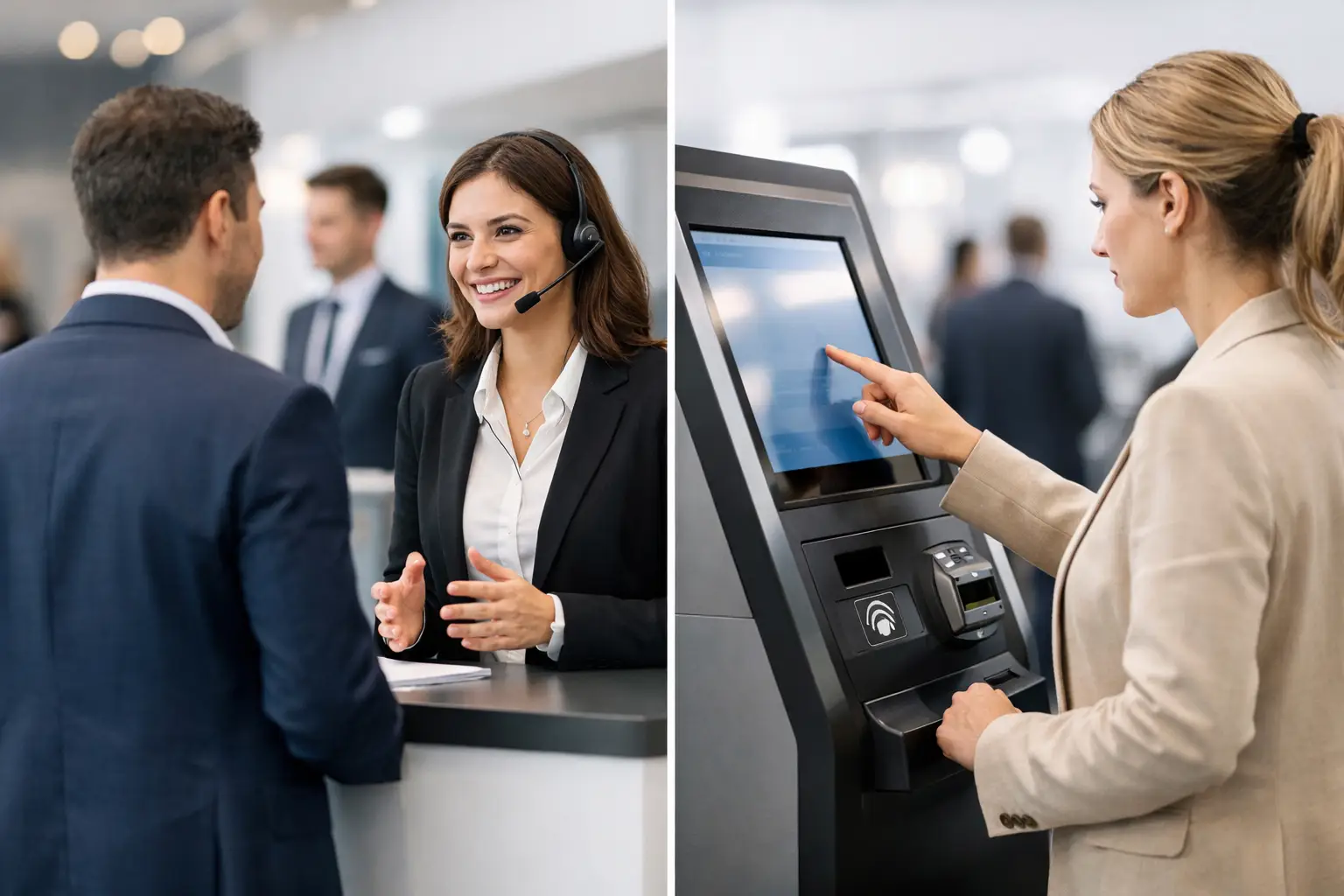
    A photo booth can be the moment guests talk about on the ride home – or the forgotten setup in the corner that only a few people try. When comparing a staffed booth versus self service experience, the real question is not simply whether someone presses a screen alone. It is whether you want an interactive entertainment feature that builds momentum or a hands-off photo station that guests use whenever they happen to notice it.

    For weddings, corporate events, birthday parties, and red-carpet-style celebrations across Los Angeles and Orange County, that distinction can change the entire feel of the event. Both formats have a place. The best choice depends on your guest count, venue, schedule, budget, and how much energy you want the booth to bring to the room.

    What Is a Staffed Photo Booth?

    A staffed photo booth includes a trained on-site attendant who handles setup, keeps the booth running, assists guests, and helps create a fun, organized experience. They are there before the first photo is taken and remain available throughout the booked service time.

    That sounds simple, but it makes a major difference at a live event. An attendant can invite a hesitant group over, show guests how the experience works, adjust a prop area that has gotten a little too enthusiastic, and help grandparents, kids, or less tech-comfortable guests enjoy the booth without frustration.

    With a premium staffed booth, the attendant is also protecting the quality of the experience. They check lighting, keep the area looking polished, restock props, troubleshoot quickly, and help groups fit into the frame. If a guest wants another shot because someone blinked, they can keep the energy high rather than turning a small issue into a line-stopping problem.

    What Does Self Service Mean?

    A self-service photo booth is designed for guests to operate independently. The interface guides them through taking photos, GIFs, or short videos, often with touch-screen prompts and automatic sharing options. There may be no attendant present during the event, or the booth may be dropped off and picked up later depending on the provider and package.

    Self service can work well for casual environments where flexibility matters more than active entertainment. Think office lobbies, smaller open houses, extended installations, or low-key gatherings where guests will naturally explore the booth throughout the day.

    The trade-off is that the booth must do all the work itself. If guests do not understand the screen, if the lighting gets bumped, if paper needs replacing, or if a technical issue appears, there may be no one nearby to solve it. Even a beautifully designed booth can lose momentum when guests are left to figure things out on their own.

    Staffed Booth Versus Self Service: The Guest Experience

    The biggest difference is guest participation. A self-service booth is passive. It waits for people to approach it. A staffed booth is active. It creates a welcoming reason for people to step in, grab props, pull in friends, and make a memory.

    At a wedding reception, for example, the couple has likely invested in flowers, music, food, and a setting that reflects their style. A booth attendant helps the photo experience feel equally intentional. They can keep groups moving so guests are not waiting too long, encourage a shy aunt to join the fun, and help capture those full-of-personality group shots that rarely happen with a phone.

    For branded events, the stakes can be even higher. Your photo booth is often a guest touchpoint, a content generator, and a visual extension of the brand. A trained attendant makes sure the branded template, virtual background, and sharing flow are presented correctly. They can also keep the booth area looking camera-ready while your team focuses on guests, programming, and event goals.

    Self service may be enough when the booth is a convenient add-on rather than a central attraction. If you are hosting a small gathering with a tech-savvy crowd and plenty of time for guests to use it at their own pace, it can be a practical choice. But if you want a noticeable boost in room energy, a staffed experience usually delivers more.

    When a Staffed Booth Is Worth It

    A staffed booth is especially valuable when there is a lot happening at once. Events are unpredictable by nature. Cocktail hour starts late, dinner runs long, a large group suddenly wants a photo together, and someone needs help using the sharing station. An experienced attendant manages those moments without asking the host, planner, or venue team to step away from their responsibilities.

    It is also the stronger choice for premium booth formats. An open-air booth needs thoughtful guest direction so groups use the full backdrop and stay within the best-lit area. An enclosed booth benefits from someone keeping the entrance clear and the experience moving. Green screen experiences require careful setup and guest positioning so virtual backgrounds look convincing. A 360 booth has safety, spacing, and guest-coordination needs that should not be left unattended.

    At Flash Life Photo Booth, on-site staff are part of the polished experience: helping guests feel comfortable, keeping the booth looking great, and making sure the fun never turns into a technical distraction.

    A staffed option is also a smart call when your guest list spans generations. Younger guests may fly through a touch-screen experience, while others appreciate a friendly person who can explain the process in a few seconds. Nobody should feel like they need instructions just to take a party photo.

    When Self Service Makes Sense

    Self service is not automatically the lesser choice. It can be exactly right when the event calls for a quieter, more independent setup. A daytime company activation that runs for several hours may benefit from an always-available photo station. A small employee party may not need a host guiding every group. A private event with a limited budget may prioritize having a booth at all over adding a dedicated attendant.

    It can also suit guests who prefer a little privacy. Some people are more playful when they can take photos without an audience or direct interaction. An enclosed booth with a simple self-operated flow can create a relaxed, nostalgic feel, particularly for smaller parties.

    Still, make sure self service is truly self service by design, not simply an unattended booth with no support plan. Ask how the equipment is tested, what happens if there is a technical issue, whether remote support is available, and who handles setup and teardown. The lowest-touch option should not create extra work for the host.

    Think About Your Event Timeline

    Your timeline often tells you what kind of service you need. If you have a two-hour reception window, a packed corporate program, or a birthday party with a peak activity period, you want guests moving confidently through the booth. A staff member can manage the pace and help more people participate before the event ends.

    If your event runs all day with a loose schedule, self service may have room to breathe. Guests can visit between sessions, during breaks, or whenever they want. There is less pressure to create a fast-moving line because the booth is available over a longer window.

    Consider the placement, too. A booth near the dance floor or main action benefits from staff because it will attract groups quickly and need active flow management. A booth in a quieter lounge area may be suitable for self-directed use, provided signage, lighting, and instructions are clear.

    Quality Is More Than the Camera

    Hosts sometimes compare packages by looking only at the booth style, digital sharing features, or number of prints. Those details matter, but service is part of photo quality. Great images need more than a good camera. They need flattering lighting, a clean lens, guests positioned well, and a booth area that stays organized from the first photo to the last.

    An attendant notices when a backdrop has shifted, when a prop is blocking the frame, or when a group of eight is trying to squeeze into a space meant for four. They can offer quick direction without making the experience feel staged. That small amount of guidance often produces the photos guests actually post and keep.

    For a branded activation, consistency matters even more. Every image becomes a reflection of your event. Staff support helps maintain the visual standard you planned for, from the template and backdrop to the guest flow around the booth.

    Four Questions Before You Choose

    Before booking, ask yourself four practical questions:

    • Will the booth be a main entertainment feature or simply an optional activity?
    • How many guests may use it during the busiest hour?
    • Is anyone on your event team available to handle issues if the booth is unattended?
    • Does your chosen experience, such as green screen or 360 video, need active guidance for the best result?

    If your answers point to a high-energy event, a tight schedule, a large crowd, or a visually important activation, staff support is likely worth the investment. If the event is relaxed, extended, and intentionally low-touch, self service can be a great fit.

    The right photo booth should make your event easier to enjoy, not give you one more thing to manage. Choose the format that matches the level of energy you want in the room, then let your guests do what they came to do: laugh, celebrate, and leave with photos that feel as good as the night itself.

  • Green Screen Versus Physical Props: Which Wins?

    Green Screen Versus Physical Props: Which Wins?

    A photo booth can become the busiest corner of the room – or a beautiful feature guests admire without ever stepping into. The difference often comes down to one choice: green screen versus physical props. Both can create memorable photos, spark conversation, and give guests something to take home. But they create very different kinds of energy.

    For a wedding in Orange County, a Hollywood launch party, or a milestone birthday in Los Angeles, the best answer depends on your event’s look, guest mix, space, and goals. A virtual red carpet background may be exactly right for a branded event. A table full of oversized sunglasses and themed signs may be the thing that gets three generations laughing together at a family celebration.

    Green Screen Versus Physical Props: The Big Difference

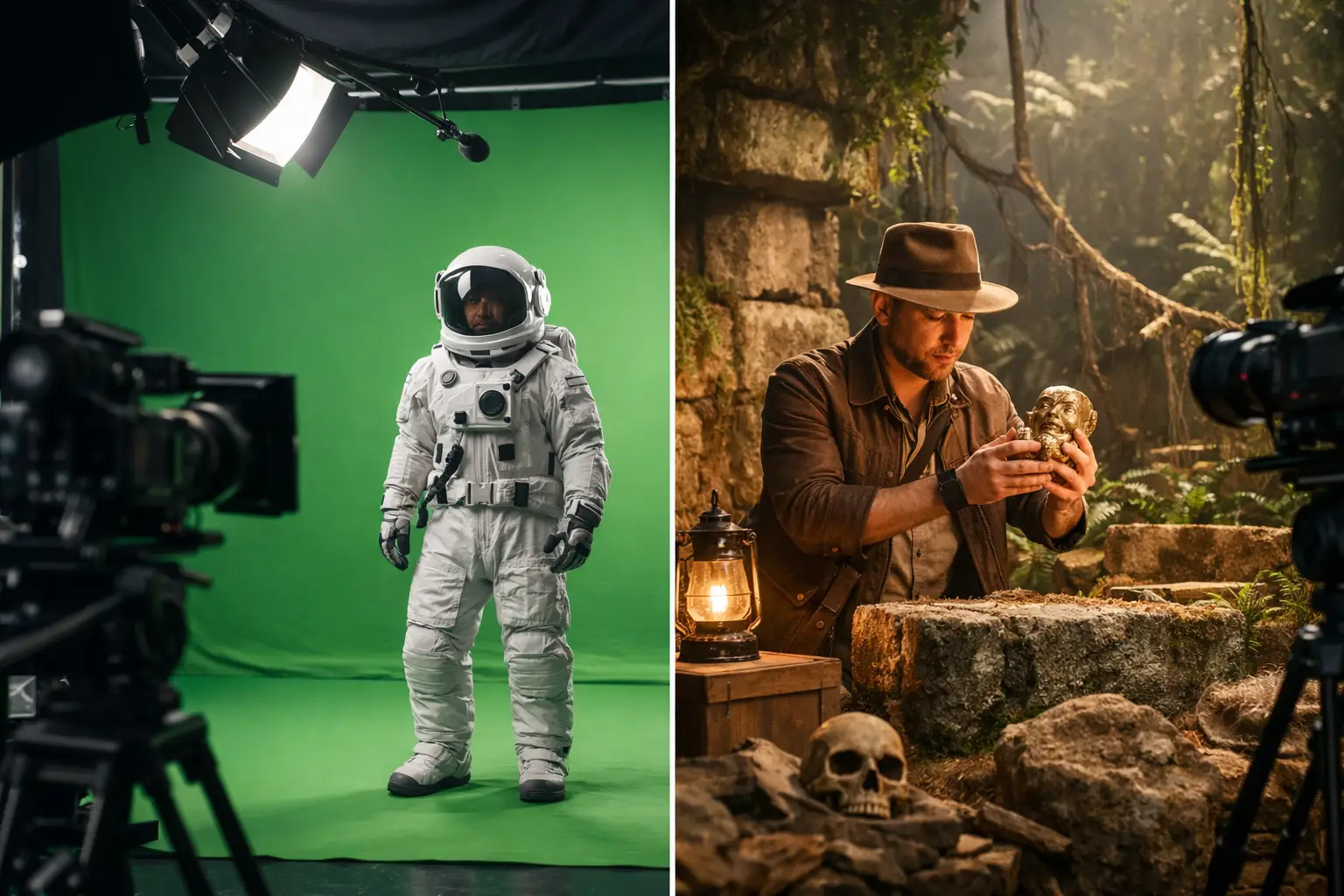
    Green screen photo booths use a bright green backdrop and digital technology to replace that background with nearly any visual you can imagine. Guests can pose on a tropical beach, in front of a step-and-repeat wall, inside a winter wonderland, or against a custom brand campaign design – all without changing the footprint of the booth.

    Physical props are the real-world party pieces guests hold, wear, and play with: boas, hats, signs, glasses, speech bubbles, themed accessories, and more. They are tactile, immediate, and wonderfully unpredictable. Someone picks up a microphone prop, another guest grabs a feathered hat, and suddenly a simple group photo has personality.

    Neither option is automatically better. Green screen is built for visual transformation and custom storytelling. Props are built for instant interaction. The stronger choice is the one that supports the atmosphere you want guests to feel.

    When a Green Screen Photo Booth Shines

    A green screen experience is a natural fit when your event has a strong visual concept. Think company branding, a destination-inspired party, a film-premiere feel, or a wedding that calls for polished, editorial-style images. Instead of asking guests to imagine the theme, the booth places them right inside it.

    For corporate events, the branding potential is especially powerful. A custom background can feature campaign colors, a product launch creative, a logo treatment, or a scene designed around the event message. The result feels more intentional than a generic backdrop, while every guest leaves with a shareable photo that reinforces the occasion.

    Green screen also gives planners range. One booth can offer multiple background choices throughout the event. Guests may take a glamorous awards-show photo early in the night, then choose a playful vacation scene later. That variety keeps the experience fresh without requiring extra décor or several photo stations.

    There is a practical advantage, too. If you want a high-impact setting but your venue does not have room for elaborate installations, virtual backgrounds can deliver a dramatic visual moment in a compact area. This is valuable at hotel ballrooms, private homes, studio spaces, and brand events where every square foot is already working hard.

    Still, green screen asks for the right conditions. Lighting, placement, and professional operation matter because the quality of the final image depends on clean capture and careful setup. It also works best when guests understand what they are posing in front of. An experienced attendant helps keep the line moving, explains the choices, and makes sure guests have fun with the concept rather than overthinking it.

    Best occasions for green screen

    Green screen is often a standout choice for branded activations, corporate holiday parties, movie-themed celebrations, school events with bold themes, and weddings that want a custom setting without building a physical one. It is also excellent when photos need to look consistent, polished, and on-brand from the first print to the last.

    Why Physical Props Still Bring the Party

    Props are not a backup plan. At the right event, they are the entertainment.

    There is a reason guests gravitate toward a prop table. Props give people permission to loosen up. The coworker who would never strike a pose on command may happily put on giant sunglasses. The couple celebrating their anniversary may grab a sign and make a photo their friends will talk about for years. Props remove the pressure of looking perfect and replace it with a reason to play.

    That makes them particularly effective for weddings, birthdays, graduation parties, family reunions, and celebrations with mixed age groups. Kids understand props immediately. Adults who arrive saying they are “not photo people” often come back for a second round after they see everyone else having fun.

    Physical props also work beautifully when the event already has great décor. If you have booked a flower wall, a stylish lounge, a custom backdrop, or a venue with character, guests do not necessarily need a digital scene behind them. A quality booth, flattering lighting, and a well-chosen set of props can let the actual event environment do the talking.

    The trade-off is that props can become visually messy if they are not curated. A black-tie wedding probably does not need a random pile of novelty items competing with an elegant color palette. For a polished event, choose prop styles that support the theme: metallic signs for a gala, retro pieces for a disco party, or refined wedding messages that add personality without taking over the photo.

    Best occasions for physical props

    Props are ideal when the goal is laughter, guest interaction, and spontaneous photos. They are especially strong for dance-floor-adjacent booths, casual celebrations, social receptions, and any event where you want the booth to feel like a built-in party activity rather than a formal portrait station.

    Match the Choice to Your Guest Experience

    Before deciding, ask one simple question: What do you want guests to do when they reach the booth?

    If you want them to step into a designed world, choose green screen. It creates a visual surprise and can make every image feel connected to your event theme. If you want guests to grab something, make each other laugh, and create unpredictable group shots, physical props are hard to beat.

    Consider the pace of the event as well. Green screen can feel more curated and can encourage guests to try several digital scenes. Props often create fast, energetic turns because everyone in the group can pick something and jump in. For high-volume parties, that easy participation can be a major advantage.

    Your photography style matters, too. A green screen setup can produce clean, graphic, highly customized images. Props create candid personality and often a more playful visual record of the night. For a luxury wedding, either can work – the decision comes down to whether you want elevated custom backdrops or a more relaxed, personality-filled photo booth moment.

    You Can Combine Green Screen and Props

    The choice does not always have to be either-or. Some of the most popular booth experiences pair a custom virtual background with a selective collection of props. Guests get the excitement of appearing in a custom scene, plus something to hold or wear that makes their pose feel less staged.

    The key is restraint. A bold digital background paired with too many loud props can make the final photo feel crowded. Instead, match the props to the visual world. For a ski-lodge background, add winter hats and fun signs. For a red-carpet background, offer tasteful sunglasses, microphones, or award-style props. For a brand activation, use props that reinforce the campaign rather than distract from it.

    At Flash Life Photo Booth, the goal is never to force a one-size-fits-all setup. The right booth experience should fit the room, reflect the occasion, and make guests feel comfortable stepping in front of the camera.

    A Few Planning Details That Matter

    Whether you choose virtual backgrounds, physical props, or both, build the booth into the event plan early. Make sure the location is visible enough for guests to notice, but not so tucked away that it loses energy. A booth near the bar, lounge, or dance floor often gets more traffic than one hidden down a hallway.

    Think about the backdrop and print design together. A custom template can carry wedding colors, a monogram, a company logo, or an event date, creating a finished keepsake that feels intentional. Great lighting and an experienced on-site attendant matter just as much as the concept. Guests should be able to walk up, have fun, and leave with photos they genuinely want to keep and share.

    If your event needs a polished visual statement, green screen gives you nearly unlimited creative range. If it needs a spark of instant, no-pressure fun, props can fill the room with laughter. Choose the option that makes your guests most likely to step in, let loose, and create the photos they will still be talking about after the party ends.

  • Instant Prints Versus Digital Galleries for Events

    Instant Prints Versus Digital Galleries for Events

    A guest steps out of the booth holding a photo strip with their friends, a glittery prop, and a pose they will laugh about for years. Ten seconds later, another guest is scanning a QR code to post the same moment. That is the real choice behind instant prints versus digital galleries: not which option is better in theory, but how you want guests to enjoy the experience during and after your event.

    For weddings, birthday parties, school events, corporate celebrations, and Hollywood-style brand activations, both formats bring value. The strongest photo booth experiences often include both. Still, understanding where each one shines makes it easier to choose the right setup, package, and guest flow.

    Instant Prints Versus Digital Galleries: The Guest Experience

    Instant prints create a moment people can feel. Guests gather around the booth, see the image appear, and walk away with a physical keepsake before the next song starts. At a wedding, that print can become a refrigerator favorite. At a milestone birthday, it may end up tucked into a card, purse, or memory box. At a corporate event, it gives attendees a branded item that does not get buried in a crowded inbox.

    There is also a social effect to prints. People compare poses, trade copies, and return to the booth because they want another version. The booth becomes an active part of the party rather than a quick content station guests visit once and forget.

    Digital galleries offer a different kind of excitement. Guests can access their photos by QR code, text, email, or a post-event gallery, depending on the event setup. That speed matters when the goal is sharing. A great green screen image, animated GIF, Boomerang, or 360 video is built for phones and social feeds. For a brand event, digital delivery also makes it easier to extend the campaign beyond the venue.

    The trade-off is simple: digital photos are convenient, but they can feel less immediate and less lasting than a printed photo in someone’s hand. A gallery link is valuable, especially for organizers, but not every guest will open it later.

    When Instant Prints Make the Biggest Impact

    Prints are a natural fit when your event is centered on celebration, connection, and personal memories. Weddings are the obvious example, but they are far from the only one. A printed photo strip gives guests something fun to do between dinner and dancing, then something tangible to take home at the end of the night.

    They also work beautifully when the event design matters. Custom templates can feature names, dates, colors, logos, or a themed graphic that ties the entire look together. A black-tie reception may call for a clean, elegant layout. A colorful Sweet 16 may need bold type and playful graphics. A company holiday party can use polished branding without making the photo feel like an advertisement.

    For hosts, prints deliver a clear payoff: every guest leaves with a visible reminder of the event. This is especially helpful when you have invited family members across generations. Not everyone wants to download an image, but nearly everyone appreciates a great photo they can hold.

    Prints do require thoughtful planning. You want a photo booth team with dependable printers, enough supplies, and an attendant who keeps the line moving while making sure every group gets a quality result. Premium lighting and a well-designed booth matter too. A print is only a keepsake if it is worth keeping.

    When Digital Galleries Are the Smarter Choice

    Digital galleries are ideal for events where reach, speed, and content matter most. Think product launches, influencer gatherings, networking events, campus functions, and branded experiences with guests who are ready to share in real time. A digital image can travel from a Los Angeles event floor to hundreds of social feeds before the event is over.

    They are also useful for large-format content. Green screen photos can place guests inside a custom scene without building an elaborate physical set. A 360 booth captures video that feels more cinematic than a traditional print. Digital delivery lets those files stay in their best format rather than forcing every experience into a still image.

    Event planners often appreciate the operational flexibility. If a guest loses a print, their image can still be available digitally. If a company wants to collect event content after the fact, a gallery provides a practical archive. For internal events, it can become a fun follow-up resource that keeps the celebration alive after everyone returns to work.

    The main consideration is guest follow-through. QR codes and text delivery are fast, but they depend on phone battery, cell service, and whether someone takes the extra step to save the file. Clear signage and a friendly attendant make a meaningful difference here. Guests should never have to wonder what to do next.

    Why a Hybrid Photo Booth Package Often Wins

    For many Southern California events, the best answer is not prints or digital. It is both.

    A hybrid setup gives guests the instant gratification of a high-quality print and the freedom to share digitally. It serves the aunt who wants a photo strip for her refrigerator, the bridesmaid who wants to post a group shot, and the brand manager who needs measurable digital engagement. Everyone gets the format that fits them.

    This approach is particularly strong for weddings and upscale private parties. Guests receive a custom print on the spot, while the host receives access to a digital gallery after the event. That gallery can be a welcome bonus when you are reliving the night, building an album, or gathering images that the photographer may not have captured.

    For corporate and branded events, hybrid delivery balances experience with marketing value. A polished print makes the activation feel generous, while digital sharing helps the message move beyond the room. The design should be intentional, though. A logo, event hashtag, or campaign detail should support the photo, not overwhelm it.

    Match the Format to Your Booth Style

    The booth itself influences the choice. An enclosed booth creates a private, nostalgic experience that naturally pairs with classic print strips. Guests step inside, loosen up, and leave with a fun physical memento. It is a strong choice for weddings, holiday parties, and celebrations where candid energy is the point.

    An open-air booth is built for larger group shots and visible party action. It works well with prints, digital photos, or both, especially when the backdrop and lighting are part of the decor. With the right props and a custom template, it can become a focal point rather than an item tucked away in a corner.

    Green screen experiences lean naturally toward digital because virtual backgrounds offer so much creative range. Guests can pose on a red carpet, in a custom branded world, or inside a location-inspired scene. Printing those images is still a great option, particularly when the template matches the event identity.

    A 360 booth is usually a digital-first experience. The videos are made for sharing, and the movement creates an energy that a still print cannot fully capture. If your priority is high-impact content and crowd appeal, that may be the right trade.

    Questions to Ask Before You Book

    Before deciding, consider what you want guests to remember at the end of the night. Do you want them carrying a keepsake home? Do you want content shared during the event? Is your crowd more family-focused, social-first, or a mix of both?

    Then think about volume. A busy corporate activation may benefit from fast digital delivery, while a reception with a more relaxed timeline can get tremendous value from prints. Your venue layout matters too. A booth needs enough room for guests to gather without blocking dinner service, the dance floor, or entrances.

    Finally, look beyond the format and ask about image quality, custom design, lighting, backup plans, and on-site service. Flash Life Photo Booth has built experiences for private celebrations and high-visibility events since 2011, and the difference is always in the details: photos that look polished, a booth that fits the room, and an attendant who keeps the energy up.

    Your photo booth should do more than collect images. Choose the delivery style that fits your guests, then give them a reason to smile, pose again, and take a piece of the party with them.

  • Why Event Vendor Responsiveness Protects Your Party

    Why Event Vendor Responsiveness Protects Your Party

    A photo booth inquiry can tell you more than whether a vendor has your date open. When you are coordinating a wedding reception, a milestone birthday, a school event, or a branded Los Angeles party, event vendor responsiveness is often the first real sign of what the experience will feel like later. A quick, thoughtful answer does not just make planning easier. It suggests the team has systems, attention to detail, and respect for your event.

    The opposite is also true. If getting a basic answer takes several follow-ups, details arrive incomplete, or your questions are brushed aside, that uncertainty rarely gets better as the event gets closer. Your guests should be focused on the fun, the photos, and the moment. You should not be wondering whether a vendor will show up with the right setup, on time, and ready to work.

    Why Event Vendor Responsiveness Matters

    Events run on a tight timeline, even when the mood is relaxed. A wedding planner may need a certificate of insurance before a venue deadline. A brand team may need a custom photo template approved before a campaign launches. A parent planning a quinceañera may need to confirm the booth footprint after the caterer changes the room layout.

    Responsive vendors keep those small decisions from becoming last-minute problems. They answer what is included, clarify what they need from you, and flag limitations early enough to solve them. That is especially valuable with entertainment rentals, where power access, load-in rules, backdrop placement, staffing, and the event schedule all affect the final guest experience.

    Speed alone is not the whole story. An instant reply that ignores half your questions is not helpful. The best communication is prompt, specific, and easy to act on. It gives you confidence without forcing you to decode vague promises or chase down missing information.

    What Good Communication Looks Like Before You Book

    You do not need a 20-page proposal for every private party. But you should receive enough detail to make a confident decision. A professional photo booth company should be able to explain booth options, rental timing, setup needs, customization choices, staffing, and how guests receive their photos.

    For example, an open-air booth can be a great fit for large group photos and a visible party focal point. An enclosed booth may better suit hosts who want a more private, nostalgic photo moment. Green screen can bring a branded event, Hollywood-themed party, or custom wedding vision to life with virtual backdrops. A strong vendor does not simply push the most expensive option. They ask about your venue, guest count, event style, and priorities before recommending the right experience.

    Clear communication also means being honest about trade-offs. A compact venue may not have room for a large 360 booth setup. A green screen experience needs intentional placement and lighting. A late-night load-in may require extra coordination with the venue. Those are not reasons to skip the fun. They are the details that help the fun land exactly as planned.

    The Questions That Reveal a Vendor’s Reliability

    The way a vendor handles a few practical questions can reveal a lot. Ask how early the team arrives, how much space the booth requires, whether an attendant stays on-site, and what happens if the venue has stairs, limited parking, or a narrow load-in window.

    Pay attention to whether the answers are direct. An experienced company will know what information matters and may ask useful follow-up questions of its own. They should want to know your event start and end time, venue location, access instructions, design preferences, and whether there is a special moment they need to plan around.

    For corporate events and brand activations, the details go further. Ask about branded overlays, custom backdrops, data capture if relevant to your goals, sharing options, and approval timelines. A vendor that understands high-visibility events knows that a beautiful photo template is part of the brand presentation, not an afterthought added the night before.

    It is also fair to ask about a backup plan. Technology and traffic are real factors in Southern California. You are not looking for dramatic guarantees. You are looking for a calm, prepared answer that shows the company has operated enough events to anticipate the unexpected.

    Responsiveness Is Different From Being Available 24/7

    A great event partner does not need to answer every message at midnight to earn your trust. People run events, and thoughtful answers take time. What matters is a reasonable response window, clear expectations, and steady communication as your date approaches.

    For a smaller private event booked months ahead, a reply within one business day may be perfectly appropriate. For an event happening this weekend, a faster answer matters because the planning window is smaller. If your request involves custom artwork or venue coordination, a company may need a little more time to provide a complete answer. The right standard depends on the urgency and complexity of the request.

    What should not happen is silence after you have shared key details, repeated requests for information you already sent, or an unexplained change in communication once a deposit is paid. Professional service should become more organized after booking, not less.

    How Responsiveness Protects the Guest Experience

    Guests never see most of the planning work. They do not see the template approvals, venue emails, load-in schedule, or power check. They simply notice whether the photo booth looks great, whether the attendant is welcoming, and whether the line keeps moving.

    That polished result begins long before the party. When a vendor confirms logistics early, the booth can be placed where it gets attention without blocking traffic. When design notes are understood, the photo strip or digital overlay feels connected to the wedding, birthday, or brand. When the staff has the correct timeline, they are ready when guests arrive instead of setting up during a key toast or grand entrance.

    For hosts, this creates breathing room. You can enjoy your own celebration instead of becoming the point person for every vendor question. For planners, it protects the production schedule and makes it easier to deliver the calm, polished event your client expects.

    A Smart Way to Compare Photo Booth Companies

    Price is part of the decision, but it should not be the only signal. A low quote that leaves out delivery, attendant time, custom design, setup, or sharing features can turn into a frustrating surprise. Compare what each company is actually offering and how confidently they explain it.

    Look for consistent communication from the first inquiry through the final confirmation. Are the package details easy to understand? Does the company explain how the booth will work in your space? Are design revisions, props, backdrop options, and event-day staffing addressed clearly? Do they sound excited about your vision while staying realistic about what will work?

    At Flash Life Photo Booth, that balance is built into the process. The goal is not to drop off a machine and hope for the best. It is to bring a polished, high-energy photo experience with experienced on-site support, standout lighting, custom design options, and a booth style that fits the room.

    Set Up Better Communication From the Start

    You can make vendor coordination easier by sending a complete first message. Include your date, venue or city, event type, guest count, preferred rental time, and the type of experience you are considering. If you have a theme, color palette, or inspiration for custom photos, mention that too.

    Once you book, keep important details in one email thread or shared planning document. Confirm venue access, loading instructions, the event timeline, and a day-of contact before the final week. If something changes, such as the room layout or start time, tell the vendor as soon as possible. Fast communication works best when it goes both ways.

    The right vendor response should leave you feeling more excited, not more burdened. Choose the team that listens closely, answers clearly, and treats your event details like they matter. That is how a great photo booth becomes more than an activity in the corner. It becomes one of the moments your guests talk about on the ride home.

  • Booth Power Requirements for a Stress-Free Event

    Booth Power Requirements for a Stress-Free Event

    A photo booth can be the center of the party until setup hits a snag: the nearest outlet is across the room, the circuit is already carrying a DJ and catering equipment, or a cord cuts directly through the guest path. Understanding booth power requirements before event day keeps the experience fun, polished, and on schedule – exactly how it should feel for your guests.

    For most weddings, birthday parties, brand activations, and corporate events, power planning is straightforward. The key is communicating early with your venue and photo booth team, then reserving a safe, dedicated place for the equipment. A few minutes of planning can prevent last-minute rearranging when doors are about to open.

    What Photo Booth Power Requirements Usually Include

    Most modern photo booths need access to one standard grounded 110-120V electrical outlet. That is the same type of outlet used for common indoor appliances in homes, hotels, event venues, and offices. A professional booth setup may power a camera, lighting, touchscreen or monitor, printer, and computer or control system from that single source.

    The exact draw varies by booth type and package. An open-air booth with professional lighting and instant prints may have different needs than an enclosed booth, green screen experience, or 360 booth with additional lighting. The goal is not to guess wattage from across the room. It is to give your rental team a usable outlet near the planned booth location and let them confirm the setup details.

    A standard outlet is often enough, but “available” does not always mean “available for the booth.” An outlet shared with a coffee station, DJ gear, portable heaters, a band, or uplighting can create avoidable risk. Ask your venue whether the outlet is on a dedicated circuit or what else will be using that circuit during the event.

    Dedicated power makes a difference

    Dedicated power means the outlet or circuit is reserved for the booth rather than supporting several high-demand items at once. It helps protect the photo experience from interruptions caused by overloaded circuits or a breaker tripping during the busiest part of the night.

    This matters most at large receptions and branded events where production equipment is everywhere. DJs, LED walls, catering appliances, bars, AV teams, and vendors can all need power. Your photo booth should be included in the venue’s power conversation, not treated as an afterthought.

    Where the Outlet Should Be Located

    The best outlet is close to the booth footprint, easily accessible during setup, and not in a place guests will block all night. Ideally, it sits within the booth area or just behind it. That keeps cords short, tidy, and far away from the action.

    A professional team can use properly rated extension cords and cord covers when necessary, but shorter runs are always cleaner. Long extension cords create more visual clutter and more opportunities for someone to trip, unplug equipment, or move a cable while reaching for a drink.

    When selecting your booth location, consider the outlet at the same time as the backdrop, guest traffic, and lighting. A beautiful green screen or custom backdrop loses some of its impact if it has to be squeezed into a corner because the only outlet is there.

    Keep cords out of guest traffic

    Guests will be carrying drinks, wearing long dresses, moving between tables, and gathering around the booth when the party is at its peak. Cables should never run loose across an entrance, dance floor, aisle, or primary walkway.

    If a cord must cross a path, it needs to be planned and protected with a proper cable cover. Do not rely on a strip of tape as an event-day solution. It can peel up, look unfinished, and still leave a tripping concern. Your venue may also have its own safety rules for cable placement, particularly at hotels, studios, schools, and corporate properties.

    Power Needs by Booth Style

    The best booth for your event is usually about the guest experience first – then the setup logistics. Still, different formats can affect where power needs to be placed and how much room your team needs to work.

    An open-air photo booth is flexible and works beautifully near a backdrop, step-and-repeat, flower wall, or open event space. It typically needs an outlet near the equipment station, with enough room for guests to gather without crowding the cable path.

    An enclosed photo booth creates a more private, nostalgic photo moment. Because the booth has a defined structure, its location should be measured carefully so the entrance, printer access, and power connection all remain clear.

    Green screen experiences often include added lighting and a screen or backdrop system. They are perfect for branded scenes, themed parties, and immersive event visuals, but they benefit from a designated setup zone where lighting can be positioned correctly.

    A 360 booth may require the most thoughtful placement. Beyond power, it needs a generous clear area for the platform, camera arm, attendants, and guests waiting for their turn. It should not be placed on a crowded dance floor or beside a door that swings into the activation area.

    Questions to Ask Your Venue Before the Event

    Your venue coordinator may know the room beautifully, but they may not know where you plan to place the booth until you share the floor plan. Bring the photo booth into the conversation early, especially for a wedding reception, gala, or event with multiple entertainment elements.

    Ask whether there is a working grounded outlet at the selected location, whether it will be accessible during setup, and whether it is shared with other vendors. Also ask if the venue has restrictions on extension cords, cable covers, loading access, setup timing, or placing equipment near exits and fire lanes.

    For outdoor events, confirm that power is available outdoors and protected from the elements. Indoor outlets do not automatically solve an outdoor setup. You may need a venue-approved power source, weather protection, or a location adjustment if conditions change.

    If your event is at a private home, walk the property with the booth location in mind. A patio outlet may be convenient, but make sure it works, is not overloaded, and can be reached without running cords through a pool area, gate, or high-traffic doorway.

    Do Not Forget Setup Access

    Power is only one part of a smooth installation. The booth team also needs a clear route from the loading area to the event space. Stairs, elevators, narrow hallways, early venue access, and parking restrictions all affect setup timing.

    A reliable photo booth company will ask practical questions in advance because details protect the guest experience. At Flash Life Photo Booth, experienced attendants coordinate setup with the event flow so the booth looks intentional, operates smoothly, and is ready when guests are ready to celebrate.

    For planners, it helps to reserve the booth location on the floor plan rather than leaving it as an open question. Mark the outlet, note the preferred backdrop direction, and identify any furniture that needs to move before setup. This is especially valuable when a room is being flipped from ceremony to reception or when a corporate event has a tight production schedule.

    A Simple Pre-Event Power Check

    About one to two weeks before the event, confirm the booth location with your venue and rental team. Make sure the outlet is active, grounded, and not reserved for another vendor. If the room layout has changed, share an updated floor plan or a few clear photos of the space.

    On event day, avoid plugging in extra equipment near the booth after setup. A phone charger is rarely a problem, but high-draw equipment should not be added casually to the same circuit. If the DJ, catering team, or venue staff needs to adjust power access, ask them to coordinate with the booth attendant first.

    There are exceptions. A backyard party with limited outlets, a rooftop event, a festival-style activation, or a historic venue may need a more customized plan. That does not mean the booth cannot happen. It simply means power, cable routing, and placement should be confirmed earlier instead of improvised on arrival.

    The best photo booth setup does not call attention to its cables, outlets, or logistics. Guests should notice the flattering light, the custom design, the laughter around the booth, and the photos they cannot wait to share. Give your team a safe outlet and a well-chosen space, then let the party take it from there.

  • Green Screens That Make Events Feel Bigger

    Green Screens That Make Events Feel Bigger

    A ballroom can become a Hollywood premiere. A birthday party can jump from a pink cloudscape to a tropical beach in one photo. That is the real appeal of green screens at an event: guests do not just stand in front of a backdrop, they step into the theme.

    For weddings, corporate activations, milestone parties, and school events across Los Angeles and Orange County, a green screen photo booth adds the kind of visual flexibility that physical décor alone cannot always deliver. It is polished, interactive, and built for the photos people want to save, post, and send before the night is over.

    What Green Screens Bring to an Event

    A green screen photo booth uses a bright green backdrop and photo technology to replace that color with a custom digital scene. The final image can place guests in nearly any setting, from a branded red carpet moment to a retro arcade, a magazine cover, a holiday scene, or a destination-inspired backdrop.

    The biggest benefit is range. A physical backdrop gives you one look. Green screen photography can give guests multiple looks during the same event without crowding the venue with extra sets or décor. That makes it especially useful when the theme is bold, the space is limited, or the guest list includes people who want more than one photo opportunity.

    It also gives planners better control over presentation. Every image can feature a designed background that supports the event color palette, sponsor message, campaign artwork, wedding style, or party theme. Rather than hoping the venue wall photographs well, you can create a deliberate visual moment.

    When a Green Screen Photo Booth Is the Right Choice

    Green screen rentals are a strong fit when the backdrop is part of the experience, not just a place to stand. At a corporate event, that might mean incorporating a product launch visual, a logo wall, or a campaign setting guests can interact with. At a wedding, it may be a romantic destination scene that brings a travel theme to life without asking the couple to build a massive custom installation.

    They work especially well for entertainment-industry parties, award celebrations, school dances, holiday parties, birthdays, and brand activations. The format gives guests a reason to come back for another round because they can choose a different scene, strike a new pose, or bring a larger group into the frame.

    That said, green screens are not automatically the best answer for every event. If your venue has an exceptional real setting, such as a garden at golden hour or a beautifully designed reception room, an open-air booth with a physical backdrop may better preserve the atmosphere. Green screen is most powerful when imagination, customization, or brand visibility matters more than showing the exact location behind the guests.

    The Difference Is in the Final Photo

    Not all green screen images look convincing. The quality depends on more than a green backdrop. Lighting, camera placement, image processing, booth design, and the experience of the attendant all affect whether guests look naturally placed in the scene or like they were pasted onto it.

    Good lighting separates guests from the green background cleanly while keeping skin tones bright and flattering. That is particularly important for groups, where people may be different heights, wear different colors, and move into the frame at once. A professional setup also accounts for shadows, wrinkles in the screen, and spacing so the digital background looks intentional.

    The camera matters, too. A high-quality photo booth should deliver crisp images that still look great when printed, shared on a phone, or viewed later on a larger screen. Cheap novelty booths can create a quick laugh, but they often leave hosts with dark, soft, or poorly keyed photos. For an event where presentation matters, image quality is part of the entertainment.

    Custom Backgrounds Make the Experience Yours

    The best green screen event experiences start with a clear creative direction. A background should feel like it belongs at your event, not like a random stock image placed behind guests at the last minute.

    For a wedding, that could mean scenes inspired by the couple’s favorite city, a vintage postcard style, or a formal backdrop that matches the invitation suite. For a birthday, it could be a playful magazine cover, a red carpet entrance, or a larger-than-life scene built around the guest of honor. For a company party, backgrounds can reflect the brand’s visual identity while still giving employees or clients a fun reason to participate.

    Photo templates deserve the same attention. The frame, event date, logo placement, and typography should complement the background rather than compete with it. A well-designed template turns each print into a keepsake and helps every digital share look on-brand.

    When deciding how many backgrounds to offer, more is not always better. Two or three strong designs usually create a more focused experience than a long menu of unrelated options. If the event has a high guest count or a short program window, keeping the selection simple also helps the line move quickly.

    Planning Green Screens for a Smooth Event Day

    Green screen booths need enough room for the screen, booth equipment, guest flow, and an attendant who can guide people into position. Before booking, confirm the booth footprint with your rental company and think about where guests will naturally gather. A booth tucked behind a column or placed too close to dinner tables may miss the energy it deserves.

    Placement matters as much as space. Put the booth near the action, but not directly in the path of servers, performers, registration lines, or a busy bar. Guests should be able to notice it, approach it easily, and wait without blocking the event. At weddings, cocktail hour and the reception entrance are often strong locations. For corporate events, a spot near the activation area or main networking space can keep participation high.

    Power access and load-in details should be discussed early, especially at large venues, outdoor events, or Hollywood-area locations with strict vendor rules. A professional team will coordinate arrival, setup, testing, and breakdown so the booth is ready before guests start arriving.

    Wardrobe is another small but worthwhile consideration. Because the screen is green, guests wearing bright green clothing may partially disappear into the digital background. Most people will not arrive dressed head to toe in chroma green, but a quick heads-up on an event sign or from the attendant can prevent surprises.

    Make It an Activity, Not Just a Corner of the Room

    The most successful photo booth experiences have momentum. Props, a welcoming attendant, and a visible display of prints or live photos can encourage the first few guests to participate. Once a group comes out laughing with photos in hand, the booth usually starts drawing its own crowd.

    For branded events, consider a prompt that gives guests an easy idea for their pose. A movie-premiere backdrop can invite an acceptance speech face. A vacation scene can inspire sunglasses, beach props, and big group energy. A product-themed background can encourage guests to interact with the brand without making the photo feel like an ad.

    Flash Life Photo Booth approaches this as an event feature, not a piece of equipment dropped into a room. Experienced on-site staff, strong lighting, custom template design, and thoughtfully made booths help keep the experience moving while making guests feel comfortable in front of the camera.

    Questions to Ask Before You Book

    A little planning up front protects the look of your event and the quality of the guest experience. Ask whether custom background design is included, how many scenes can be offered, what print and sharing options are available, and whether an attendant stays on-site for the full rental period.

    Also ask about setup timing, space requirements, power needs, and how the company handles venue access. For a branded activation, confirm the approval process for logos, colors, and artwork so there is enough time to finalize the design before event day.

    Most of all, choose a photo booth team that understands the difference between a fun idea and a finished experience. Green screen photos should feel easy for guests, polished for the host, and worthy of the moment they are capturing.

    The right scene can make a guest feel like the star of the party for a few minutes. Give them a reason to step in, pose big, and leave with a photo that keeps the event energy going long after the lights come up.

  • Top Corporate Event Souvenirs Guests Keep

    Top Corporate Event Souvenirs Guests Keep

    A tote bag may make it home. A great photo usually makes it to the group chat before the event is over. The best top corporate event souvenirs do more than display a logo – they give attendees a reason to participate, remember the experience, and share it with other people.

    For corporate events in Los Angeles and Orange County, the bar is high. Guests see plenty of branded giveaways, especially at conferences, launch parties, entertainment events, and employee celebrations. The souvenirs that stand out feel useful, personal, or genuinely fun. Better yet, they connect directly to the energy of the room.

    What Makes a Corporate Souvenir Worth Keeping?

    A memorable takeaway starts with a simple test: would someone keep this if the logo were smaller? If the answer is no, the item may be promotional, but it is not much of a souvenir.

    The strongest options combine quality with a moment. They are tied to an interaction, a laugh with coworkers, a polished portrait, a product reveal, or a well-designed event theme. That emotional connection is why a printed photo from a company holiday party can stay on a desk for years while another generic giveaway disappears into a drawer.

    Branding still matters, of course. It just needs to support the experience rather than overpower it. A tasteful logo, event name, campaign message, or custom visual frame makes the souvenir recognizable without making guests feel like they are carrying an ad.

    Match the souvenir to the event goal

    A sales kickoff may call for professional, polished headshots and a branded digital gallery. A consumer launch needs fast social sharing and eye-catching visuals. An employee appreciation event can lean into humor, props, and group photos. The right choice depends on whether your priority is brand awareness, guest engagement, team connection, or all three.

    Budget also affects the decision, but price per item is not the whole story. A low-cost giveaway with little interaction can create very little value. An entertainment-driven souvenir can give guests an activity during the event, a physical takeaway, and shareable content afterward.

    Top Corporate Event Souvenirs That Create Real Engagement

    Custom photo booth prints

    A photo booth print is one of the few branded items attendees actively want to take home. It captures people as they were at your event, not as they were standing in a line for a giveaway. With a custom photo template, every print can include your logo, event date, campaign art, and brand colors while still looking polished enough to display.

    Open-air booths work especially well for networking events and larger groups because coworkers, clients, and partners can jump into the frame together. An enclosed booth adds a bit of privacy and nostalgic fun, making it a strong fit for holiday parties, awards nights, and evening receptions.

    The difference is visual quality. Dim lighting, weak prints, and a cluttered template can make a branded photo feel disposable. A premium setup with flattering lighting, clear prints, and thoughtful graphic design turns it into a souvenir guests are proud to keep.

    Green screen photo experiences

    Green screen is a smart choice when the event needs more imagination than a standard backdrop can deliver. Guests can pose on a movie premiere carpet, in a custom-built cityscape, inside a campaign visual, or at a destination-themed scene without leaving the venue.

    This format is particularly effective for entertainment-industry gatherings, branded activations, and product launches. It gives marketers room to create a visual world around the campaign while giving each guest a personalized version of the concept. The final photo still feels like their moment, which makes the branding far more welcome.

    There is a trade-off: green screen needs well-planned artwork and a team that can manage the technology smoothly. When the visuals are rushed, the effect can look dated. When they are designed with intention, the results can be a major conversation starter.

    360 video keepsakes

    For brands that want motion, music, and serious social appeal, a 360 booth creates a souvenir built for sharing. Guests step onto the platform while a camera captures a high-energy video with effects, overlays, and event branding. The finished clip is delivered digitally, ready for posting or saving.

    A 360 experience is ideal when the event atmosphere is lively and the attendee list is comfortable being on camera. Think launch parties, influencer events, fashion-forward celebrations, sports watch parties, and high-energy company milestones. It can be less effective for a quiet executive dinner where guests would rather have a quick, understated photo.

    The best results come from managing the full experience: an appealing setup, clear guest direction, quality lighting, and a branded visual treatment that looks current. A crowd gathered around a 360 booth often becomes part of the entertainment itself.

    Personalized event portraits or headshots

    Not every corporate event needs oversized props and party poses. For conferences, leadership retreats, career fairs, and professional networking events, a headshot station can offer a genuinely useful souvenir. Attendees leave with an updated image for LinkedIn, company bios, speaking profiles, or personal use.

    This option sends a different message from a traditional giveaway: your company invested in something that helps the guest beyond the event. Add subtle event branding to the delivery gallery or offer a clean, unbranded final image depending on the audience. The latter often has more long-term value for professional use.

    Premium practical gifts with a personal layer

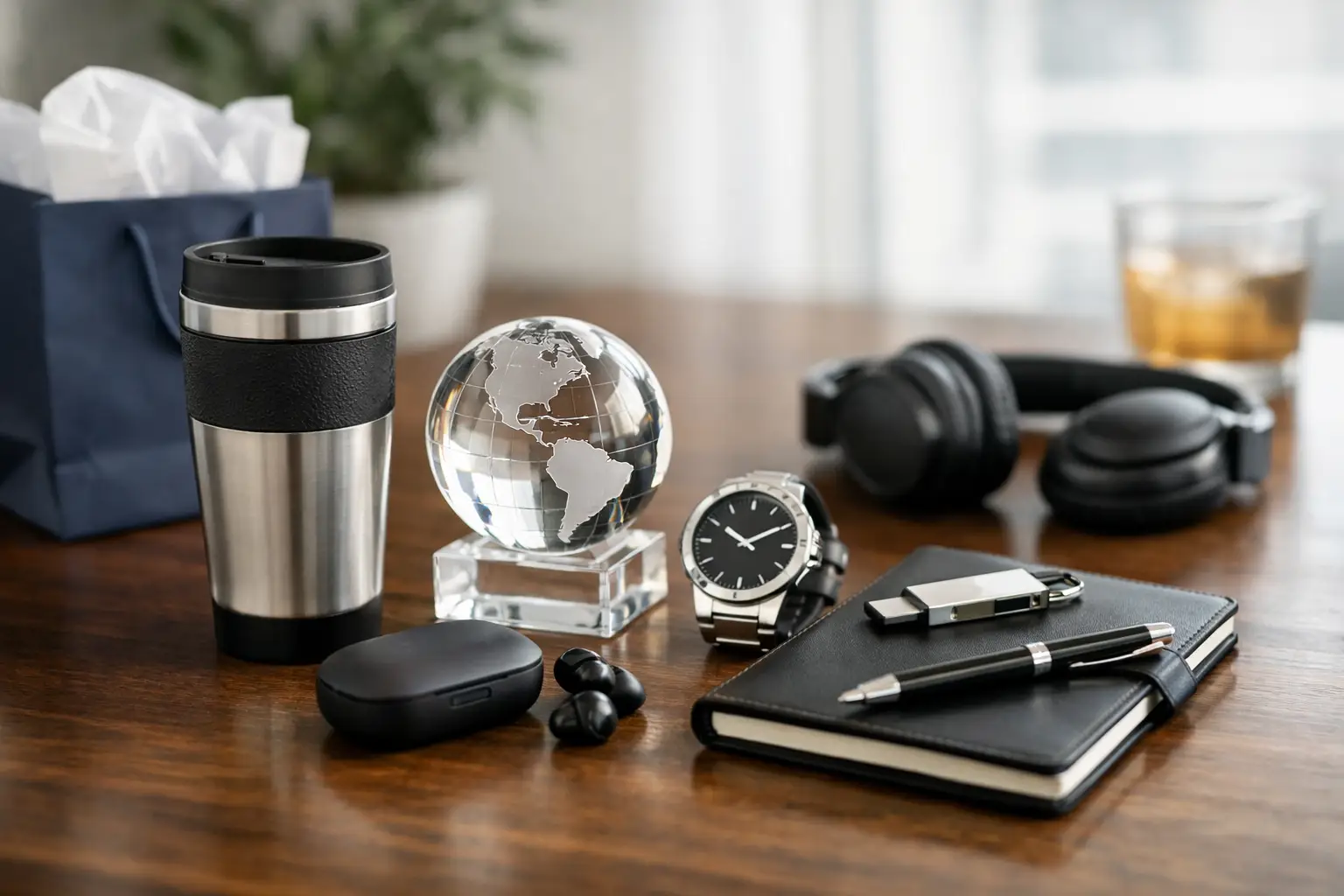
    Useful items still have a place, especially if they match the event and avoid the usual giveaway-bin feel. The strongest choices are durable and thoughtfully selected: insulated drinkware, travel organizers, compact charging accessories, quality notebooks, or locally sourced treats.

    What elevates these items is personalization. A name, a meaningful event message, or a design guests would use outside the workplace gives the gift a better chance of sticking around. If your audience is flying in for a Southern California event, a travel-friendly item may make more sense than something bulky. If the gathering centers on wellness or employee appreciation, a reusable water bottle or elevated snack box may fit the theme.

    How to Build a Souvenir Strategy Around the Guest Experience

    Start with the attendee journey. Consider what happens when guests arrive, what they do during slower moments, and what they will remember the next morning. A photo booth can fill a natural gap between programming, during cocktail hour, or after dinner. A practical gift may be better as a welcome item or an exit takeaway.

    Then make every branded touchpoint feel connected. Your invitation, step-and-repeat, screen visuals, photo template, and take-home item should look like parts of the same event. They do not need identical logos plastered everywhere. Consistent colors, typography, and a clear campaign idea will feel much more premium.

    For larger events, plan for throughput. If hundreds of guests are expected in a short window, choose an experience that can keep the line moving and provide enough space for people waiting nearby. An open-air photo booth often handles group participation well, while a smaller enclosed booth may be perfect for a more intimate guest count.

    Also think about the after-event life of the souvenir. Prints belong on desks and refrigerators. Digital photos and 360 clips can extend the event online. A well-designed gift can become part of a daily routine. The goal is not to force attention after the event – it is to give guests something they naturally want to revisit.

    Details That Separate a Premium Keepsake From a Forgettable Freebie

    Production quality matters. Blurry images, poorly cropped logos, flimsy packaging, and generic designs can undermine an otherwise strong event. Corporate guests notice when an experience feels rushed, especially at brand-facing or high-visibility gatherings.

    Customization should also be specific. Use the actual event theme, a campaign phrase, a milestone worth celebrating, or an environment guests recognize. A generic logo lockup can work, but it rarely creates the same excitement as a souvenir that could only have come from that particular night.

    Finally, choose partners who can operate without creating extra work for your team. Flash Life Photo Booth brings experienced on-site staff, custom template design, standout lighting, and premium photo booth options to corporate events across Southern California. That means your team can focus on the program and the guests while the experience keeps moving.

    The best corporate souvenir is not the one with the biggest logo. It is the one that makes a guest smile when they see it later and instantly remember why your event was worth attending.

  • How to Customize Photo Strips for Any Event

    How to Customize Photo Strips for Any Event

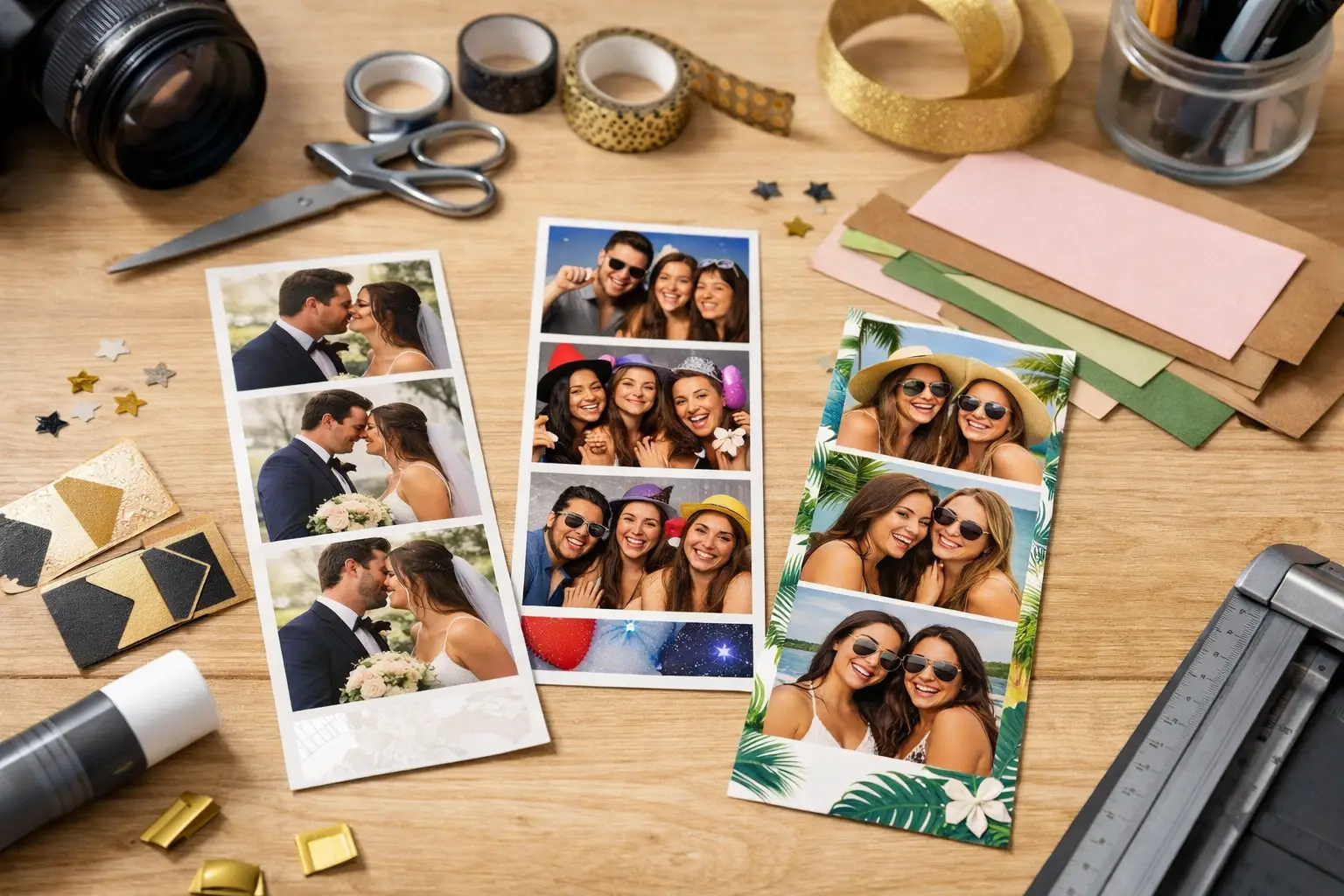
    A great photo strip does more than print four funny faces. It becomes a mini event poster guests carry home, stick on the fridge, tuck into a scrapbook, or share before they have even left the venue. Knowing how to customize photo strips means turning that small print into a keepsake that looks intentional, fits the room, and brings people back to the moment every time they see it.

    For a Los Angeles wedding, a Hollywood launch party, an Orange County birthday, or a polished corporate celebration, the best designs feel connected to the event without making guests feel like they are holding an ad. That balance is where a professional photo booth team and a smart design plan make all the difference.

    Start With the Event’s Visual Story

    Before choosing fonts or colors, decide what the strip needs to say about the event. A black-tie reception and a beachy birthday can use the same photo booth, but they should not leave guests with the same printed experience.

    Look at the invitation, floral palette, table settings, signage, and venue. Pull two or three elements that can carry through to the photo strip. For a wedding, that may be a warm ivory background, a soft floral line drawing, and the couple’s monogram. For a corporate event, it may be the campaign color, a clean typeface, and a concise event hashtag. For a milestone party, it could be a playful custom illustration that captures the guest of honor’s personality.

    The goal is not to cram every design detail onto two inches of paper. It is to create recognition. When the strip looks like it belongs at the event, the whole experience feels more elevated.

    How to Customize Photo Strips Without Overdesigning

    Photo strips are small, so hierarchy matters. Guests should be able to understand the design in a glance: who or what the event celebrates, when it happened, and perhaps where they can share it. Everything else is optional.

    Start with one focal element. That could be the newlyweds’ names, a birthday phrase such as “Cheers to 40,” or a campaign logo. Then support it with a date, location, event hashtag, or short message. A line like “Best Night Ever” can add energy. A paragraph about the company’s history cannot.

    White space is your friend. Dense borders, multiple fonts, tiny text, and too many logos can make even beautiful photos feel crowded. Keep the artwork away from the image areas, too. Faces, hands, and big group poses should stay center stage.

    A useful rule: if a guest has to squint to read it at arm’s length, simplify it. The strongest strips are easy to recognize from across the room and still look polished up close.

    Choose a Layout That Matches Guest Behavior

    The classic vertical photo strip remains popular for a reason. It is familiar, flattering, and easy to save. A three-photo layout gives each image a little more room, while a four-photo layout creates a faster, more playful sequence of poses. If the event calls for more variety, a landscape postcard-style print can make room for larger group shots and bold design elements.

    Think about the guest mix. An enclosed booth often inspires candid, close-up photos and works beautifully with a traditional strip layout. An open-air booth encourages bigger groups, full outfits, and more movement, so a wider layout can be a better fit. Green screen experiences add another decision: the virtual background should work with the strip template rather than compete with it.

    There is no single right choice. A clean vertical strip may be perfect for an elegant wedding, while a large branded format may serve a product launch better. Choose the format based on how people will use the booth, not just what looks good on a screen.

    Use Color, Fonts, and Borders With Purpose

    Color sets the mood quickly. Soft neutrals and delicate metallic accents work well for formal celebrations. Saturated colors, neon details, and bold patterns can bring the right energy to birthdays, school events, and brand activations. Still, print quality changes how colors appear. Super-dark backgrounds can show fingerprints, and very pale text can disappear under venue lighting.

    Use high contrast whenever text needs to be read. If the event palette is light blush and champagne, add a darker accent for names or dates. If the design is black or navy, make sure the lettering is bright enough to stand out. The photo booth flash and professional lighting will make the images pop, but the artwork must hold its own on paper.

    Fonts deserve the same restraint. One display font paired with one easy-to-read supporting font is usually enough. Script lettering can be elegant for names, but it is best used sparingly. A hard-to-read script across the bottom of every strip can turn a thoughtful detail into a missed opportunity.

    Borders can help frame the photos, especially for a classic or retro look. Keep them consistent with the event style. A thin gold line can suit a formal reception. A colorful illustrated frame can suit a kid-friendly celebration. Heavy borders only make sense when they are part of the concept, such as a filmstrip-inspired entertainment event.

    Make Branding Feel Like Part of the Fun

    For corporate gatherings and sponsored events, photo strips can travel far beyond the venue. Guests post them, text them, and keep them on desks. That makes the print a valuable branded touchpoint, but only if it still feels worth keeping.

    Put the logo where it is visible but not dominant. The bottom panel or a small corner placement is often enough. Pair it with a concise campaign line, event name, or hashtag. If your activation uses a custom backdrop or green screen scene, repeat a small visual cue from that environment on the print for a more connected experience.

    Avoid treating the strip like a flyer. Guests came to have fun, and the best branded design respects that. When the photos look amazing and the branding is tasteful, people are far more likely to share the finished image voluntarily.

    Design for Real Photos, Not Just a Mockup

    A photo strip template can look perfect on a laptop and still fail during an event. Real guests wear bright outfits, pose in large groups, hold props near their faces, and stand in front of varying backdrops. Test the template with actual sample images before approving it.

    Ask whether the frame cuts too close to the photo area. Check that a dark outfit will not disappear into a dark border. Make sure the text remains readable beside a colorful green screen background. If a logo is placed over an image, confirm it does not land on someone’s face in the most common poses.

    This is especially important for weddings and high-visibility brand events, where the booth experience is part of the overall production value. A good template should flatter the photos first and decorate them second.

    Include the Details Guests Will Want Later

    The date is usually worth including, particularly for weddings, anniversaries, reunions, and milestone birthdays. A location can also add meaning when guests have traveled for the celebration. For branded events, an event hashtag may be more useful than a full address or lengthy campaign statement.

    Keep the wording short and personal. “Maya & Jordan, 06.14.26” has more staying power than a generic wedding slogan. “Studio Night at The Sunset Room” gives a corporate party a sense of place. For birthday events, a custom phrase that sounds like the guest of honor is often better than a stock line.

    If there are two print copies, consider a subtle variation only if it serves a purpose. For example, a wedding may have the same design on both prints so one goes to the guest and one goes into a guestbook. Most events benefit from keeping every copy identical and easy to recognize.

    Review the Whole Booth Experience

    The print is only one piece of the final result. Backdrop choice, booth style, lighting, props, and on-site flow all influence whether guests love what they receive. A luxe template paired with a wrinkled-looking backdrop or dim lighting will not deliver the same impact.

    That is why customization works best when it is planned alongside the booth setup. Flash Life Photo Booth helps hosts match custom templates to the right booth format, backdrop direction, and guest experience, whether the priority is classic wedding keepsakes, energetic group shots, or clean brand visibility.

    Before event day, approve a final proof that shows the exact wording, colors, logo placement, and photo layout. Confirm spelling carefully, especially names, dates, hashtags, and sponsor marks. Then make sure the team running the booth understands the intended mood: polished and elegant, colorful and high-energy, or somewhere in between.

    A customized photo strip should make guests smile before they even look at the photos. Keep the design clear, let the personalities in the frame do the talking, and create a print that feels too good to throw away.

  • Why Booth Image Quality Changes the Whole Event

    Why Booth Image Quality Changes the Whole Event

    A photo booth can have great props, a packed line, and a beautiful venue, but booth image quality is what determines whether guests walk away with a keepsake they actually want to save, post, and frame. At a wedding, corporate activation, birthday party, or Hollywood-style celebration, every image represents the energy of the event. Blurry faces, harsh shadows, or dull colors can make even a spectacular party look ordinary.

    For hosts and planners across Los Angeles and Orange County, this is not a small detail. The photos are often the most lasting part of the experience. They show up in camera rolls, social feeds, thank-you posts, and family albums long after the last song plays.

    What Creates Great Booth Image Quality?

    High-quality booth photos are not produced by one expensive camera alone. They come from a complete setup designed to make real people look their best in real event conditions. That means thoughtful lighting, a capable camera, a flattering booth angle, a clean backdrop, and an attendant who knows how to keep everything looking right all night.

    Lighting does the heavy lifting

    Event venues are rarely built for portraits. Ballrooms may have dim amber lighting, backyards can shift from bright sun to darkness in an hour, and nightclubs often use colored lights that look exciting in person but are difficult for a camera. A professional booth needs its own controlled lighting so guests do not disappear into the background or end up with deep shadows under their eyes.

    The goal is bright, even, flattering light that still feels natural. It should help every guest look polished without making the photo look washed out or overly filtered. Good lighting also keeps skin tones accurate, catches details in formalwear, and helps glitter, signage, florals, and branded elements photograph the way they looked at the event.

    This matters especially for group photos. Friends naturally squeeze in, lean forward, hold props high, and bring big expressions. The booth must light the entire group rather than only the people standing in the center. Open-air booths are particularly effective here because they give larger groups room to join the shot while the lighting reaches everyone.

    A real camera creates a visible difference

    Many guests may not know the technical specifications behind a booth, but they can immediately see the difference between a polished image and a basic webcam-style snapshot. Strong camera equipment captures sharper details, richer color, and cleaner images in changing light. That becomes even more noticeable when guests print the photo, zoom in on their phones, or share it online.

    Resolution matters, but it is not the only factor. Focus speed, lens quality, exposure control, and color processing all affect the final result. A booth should capture the moment quickly, because guests are laughing, moving, adjusting props, and trying to fit one more person into the frame. If the equipment struggles in low light or focuses slowly, the spontaneous energy gets lost.

    For a formal wedding or brand event, a polished image also protects the visual standard you worked hard to create. Your venue, attire, décor, and custom details deserve photos that feel as elevated as the room itself.

    Backdrops affect every frame

    A backdrop is not just decoration. It is a major part of how booth images feel. A wrinkled, reflective, poorly lit, or cluttered backdrop can distract from guests and lower the perceived quality of every photo. On the other hand, a well-chosen backdrop adds depth, color, and personality while keeping the people in front of it as the focus.

    The right choice depends on the event. A clean white or shimmer backdrop can feel glamorous for a reception. A hedge wall, sequin look, or custom step-and-repeat can support a branded event or red-carpet atmosphere. Green screen technology gives hosts more creative range by placing guests in custom virtual scenes, from a destination-inspired setting to a campaign-specific design.

    Green screen can be a huge crowd-pleaser, but it has a trade-off: it requires careful lighting and enough physical space for the booth to capture a clean cutout around each guest. When it is operated well, the result feels playful, personalized, and highly shareable. When it is rushed or poorly lit, edges can look artificial. That is why the team behind the booth matters as much as the backdrop itself.

    Booth Image Quality Depends on the Setup

    A premium booth experience begins before guests arrive. Placement, power access, surrounding traffic, ceiling height, and the venue’s available light all affect the final images. Putting a booth directly beneath a harsh spotlight or in a dark corner may seem convenient for the floor plan, but it can work against the photos.

    An experienced event team looks for a location that is visible, inviting, and practical. Guests should be able to find the booth without it blocking the bar, dinner service, dance floor, or key entrances. There should also be enough room for lines, group shots, and an attendant to keep the experience moving.

    For daytime outdoor events, placement is especially important. Direct sun creates squinting and hard shadows, while shifting afternoon light can change from one photo to the next. A quality booth setup compensates with controlled lighting, but a shaded or thoughtfully positioned location still gives the team the best foundation.

    The booth style should fit the guest experience

    Open-air and enclosed booths can both produce beautiful images. The best choice comes down to the mood of the party, the size of the groups, and the type of photos you want guests to take.

    An open-air booth is ideal when you want large group photos, a statement backdrop, and a high-energy visual feature in the room. It works beautifully for weddings, school events, corporate parties, and milestone celebrations where guests will gather in groups. The action is visible, which tends to attract more people and build momentum.

    An enclosed booth offers a more private, nostalgic experience. It is great for guests who want to be silly without an audience and for events that want a classic booth feel with upgraded image quality. Couples, close friends, and family members often create some of the funniest candid moments when they can close the curtain and relax.

    A 360 booth creates a different kind of content altogether. Rather than a traditional still photo, it captures motion, fashion, dancing, and personality in a share-ready video moment. It is a strong fit for brand activations, launch parties, and celebrations built around social content. Still, it should be chosen for the experience it creates, not as a substitute for quality photo coverage. Many events benefit from pairing the right booth style with the right visual goal.

    Custom Design Makes Photos Feel Intentional

    The print template, digital overlay, and event branding are part of image quality too. A generic design can make a custom event feel like any other party. A thoughtfully designed template ties the booth photos into the invitation suite, wedding colors, brand campaign, or celebration theme.

    The best designs leave breathing room for the image. They use readable type, colors that reproduce well in print, and enough contrast so names, dates, and logos are easy to see. Overloading a template with too many graphics can compete with guests’ faces. The photo should always remain the star.

    For branded events, this balance is especially valuable. A logo should be visible and polished, but the experience cannot feel like an advertisement guests are forced to hold. When the photo looks great first, people are more likely to share it, and the brand gets the exposure naturally.

    Why an On-Site Attendant Matters

    Even excellent equipment needs an experienced person behind it. An on-site attendant helps guests pose, keeps props organized, watches for camera or printer issues, and maintains the lighting and image settings as the event changes. That support is what keeps a booth feeling effortless for the host.

    It also helps guests who are not naturally comfortable in front of a camera. A quick suggestion to step closer, look toward the lens, or bring the group together can turn an awkward frame into a favorite photo. The attendant should add energy without taking over the moment.

    Flash Life Photo Booth approaches this as both entertainment and production. The goal is not simply to collect images. It is to create a lively space where guests feel welcomed, look fantastic, and leave with something that matches the quality of the celebration.

    When comparing photo booth options, ask to see real event galleries, not just a few promotional images. Look closely at skin tones, sharpness, group lighting, backdrop consistency, and print clarity. Ask how the booth performs in dark rooms, outdoors, and high-traffic venues. Those answers reveal far more than a rental price alone.

    The right booth should feel fun in the moment and look exceptional afterward. Choose image quality that gives your guests a reason to smile now and relive the party later.