Category: Uncategorized

  • Best Wedding Reception Entertainment Ideas

    Best Wedding Reception Entertainment Ideas

    The best wedding reception entertainment ideas do more than fill quiet moments between dinner and dancing. They give every generation something to enjoy, create natural photo opportunities, and turn a beautiful reception into the party guests keep talking about long after the last song.

    For couples planning a wedding in Los Angeles, Orange County, or anywhere in Southern California, the right choice comes down to your crowd, venue layout, timeline, and the energy you want in the room. A formal ballroom celebration needs a different approach than a coastal cocktail reception or a Hollywood-inspired party. The strongest entertainment plan layers a few meaningful moments instead of cramming the night with distractions.

    Best Wedding Reception Entertainment Ideas for Every Crowd

    1. A premium photo booth that stays busy all night

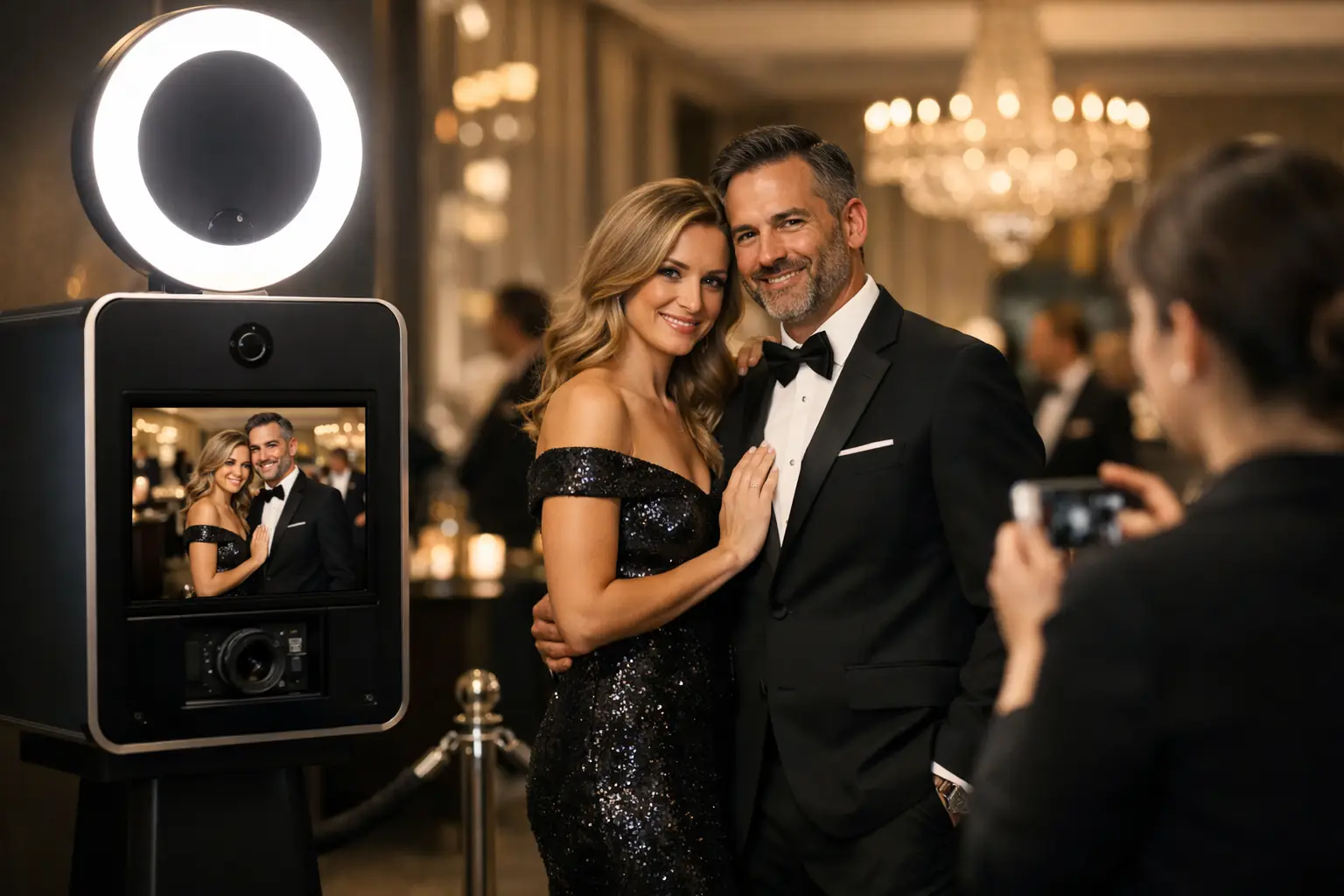
    A photo booth is one of the few reception additions that works during cocktails, dinner transitions, dancing, and even the final hour of the night. Guests who do not want to dance right away still have a fun place to gather, while your most outgoing friends will happily come back for multiple rounds.

    Choose the booth style around your guest list and design. An open-air booth is ideal for big group shots, custom backdrops, and showing off a dramatic venue space. An enclosed booth brings a playful, nostalgic feel and gives guests a little privacy to be silly. A green screen booth can place guests in custom virtual scenes that match your wedding theme, from a glamorous red carpet to a sunset beach setting.

    The difference is production quality. Clean lighting, flattering photos, custom templates, fun props, and a professional attendant make the experience feel like part of the wedding, not an afterthought in the corner. Flash Life Photo Booth has built its reputation on this kind of polished, high-energy guest experience across Southern California celebrations.

    2. Live music for the moments that need emotion

    A live musician during the ceremony or cocktail hour adds instant atmosphere. A string duo, jazz trio, acoustic guitarist, mariachi group, or strolling violinist can make a venue feel more personal without competing with conversation.

    This is especially effective when you want the reception to build in stages. Start with live background music during arrivals and cocktails, then transition to a DJ or dance band once the formal reception begins. It gives the night a sense of momentum and lets guests experience more than one mood.

    The trade-off is space and budget. Live performers need room, power, and a clear sound plan. Ask your venue about load-in timing and sound limits before committing.

    3. A DJ who can read the room

    A great wedding DJ is more than someone with a playlist. They manage the pacing of the night, make announcements with confidence, keep formal moments organized, and know when to change direction if the dance floor starts to thin out.

    Give your DJ a clear must-play list, a short do-not-play list, and a few examples of the music that gets your friends and family moving. Then let them do their job. Over-directing every song can make the set feel rigid, while a trusted professional can respond to the actual room in real time.

    For couples who want the energy of a club-style reception without losing the personal feel of a wedding, a DJ plus live percussionist or saxophonist can be a strong middle ground.

    4. Interactive food and drink stations

    Entertainment does not always have to happen on a stage. A build-your-own dessert bar, espresso cart, late-night taco station, boba bar, or made-to-order cocktail moment can become a natural gathering point for guests.

    The best stations have a little theater to them. Think fresh churros being made, a bartender smoking an old fashioned, or a chef finishing mini dishes in front of guests. They keep the room moving and give non-dancers a reason to mingle.

    Keep the timing strategic. A late-night food station usually lands better after the dance floor has been open for a while, when guests are ready for a second wind.

    5. A 360 video booth for high-impact content

    If your guests love social video, a 360 booth can create a major visual moment. Guests step onto a platform while a camera arm captures slow-motion video, often with music, effects, and event branding or wedding graphics.

    This option works best for larger receptions with a high-energy crowd and enough space for a dedicated activation area. It is a natural fit for glam, modern, fashion-forward, or entertainment-industry weddings where guests will embrace the camera.

    It is not the best choice for every event. An intimate reception with a quieter guest list may get more value from a classic photo booth, where participation feels effortless and guests receive a printed keepsake.

    6. Lawn games that make cocktail hour easy

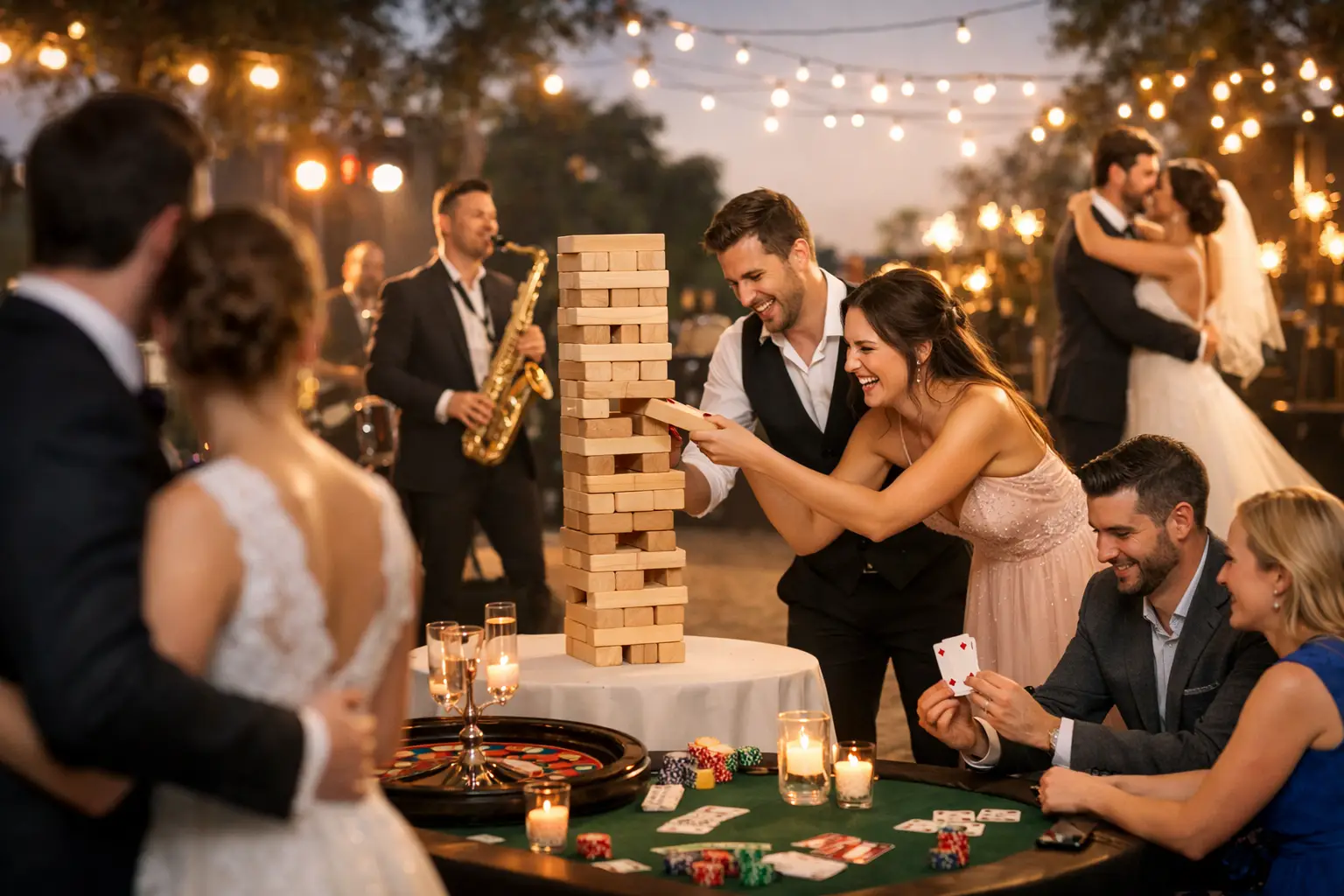
    For outdoor weddings, lawn games give guests something to do while the wedding party finishes photos or the room is being reset. Cornhole, giant Jenga, croquet, and bocce work well because they are easy to join without a long explanation.

    Keep the selection curated. Too many games can make the space feel like a festival rather than an elegant reception. Two or three well-styled options are usually enough, especially when cocktail hour is only 60 to 90 minutes.

    Consider your surface, too. Games need level ground and should be placed away from servers, bar lines, and main walkways.

    7. A surprise performance with a real reason to be there

    A surprise dance routine, cultural performance, flash mob, or specialty act can become a highlight of the night when it reflects the couple. Maybe it is a traditional family dance, a favorite genre of music, or a performance that fits the setting and your shared personality.

    The key is restraint. One well-timed surprise feels exciting. Multiple interruptions can pull guests away from dinner, conversation, and dancing. Place the performance after a transition point, such as after dinner or before opening the dance floor, so it adds energy rather than stopping it.

    8. A live wedding painter or custom illustration artist

    A live painter creates a beautiful visual focal point and leaves you with a keepsake that is far more personal than standard decor. Some artists paint the first dance, ceremony scene, or a wide view of the reception as it unfolds. Others create quick guest illustrations or fashion sketches for attendees to take home.

    This entertainment idea is ideal for couples who want a refined, artistic experience. It is quieter than a band or photo booth, so it pairs well with more energetic options instead of replacing them.

    9. Table-side games and conversation prompts

    Not every guest is looking for a performance. Table games, wedding trivia, conversation cards, or a friendly “guess who said it” game about the couple can bring people together during dinner without requiring a microphone.

    Keep these simple and optional. A short card at each table works better than a lengthy activity that asks guests to stop eating and pay attention. The goal is to spark laughter among people who may be meeting for the first time.

    10. A late-night dance floor switch-up

    Once the formal parts of the evening are finished, give the final hour its own identity. Bring out glow wands, light-up accessories, a disco ball moment, or a carefully planned music shift that signals the after-party has arrived.

    This works particularly well for weddings with a broad age range. Older guests can enjoy the earlier dinner and classic dance set, while your closest friends get a high-energy finish. If your venue has a noise cutoff, ask whether you can move the after-party to a separate indoor space.

    How to Choose the Right Entertainment Mix

    Start with the guest experience, not the trend. If your families love dancing, invest in music and a dance floor that feels inviting. If you expect many guests to be mingling, a photo booth, interactive food station, and cocktail-hour musician may deliver more value.

    Next, look at your timeline. A five-hour reception does not need five major activities. One anchor entertainment choice, one interactive experience, and one late-night moment are often plenty. For example, a DJ, premium photo booth, and late-night snack station create a complete night without making the schedule feel packed.

    Finally, protect the flow of the room. Entertainment should be visible enough to invite participation but positioned so it does not block service, speeches, the bar, or the dance floor. Experienced vendors will ask about venue access, power, setup windows, and footprint before event day. Those details are what keep a fun idea from becoming a logistical headache.

    The most memorable receptions are not necessarily the ones with the most entertainment. They are the ones where guests feel included, comfortable, and ready to celebrate. Choose experiences that look like you, give people a reason to connect, and leave room for the spontaneous moments that make a wedding night feel truly alive.
  • How to Personalize Event Photo Prints That Pop

    How to Personalize Event Photo Prints That Pop

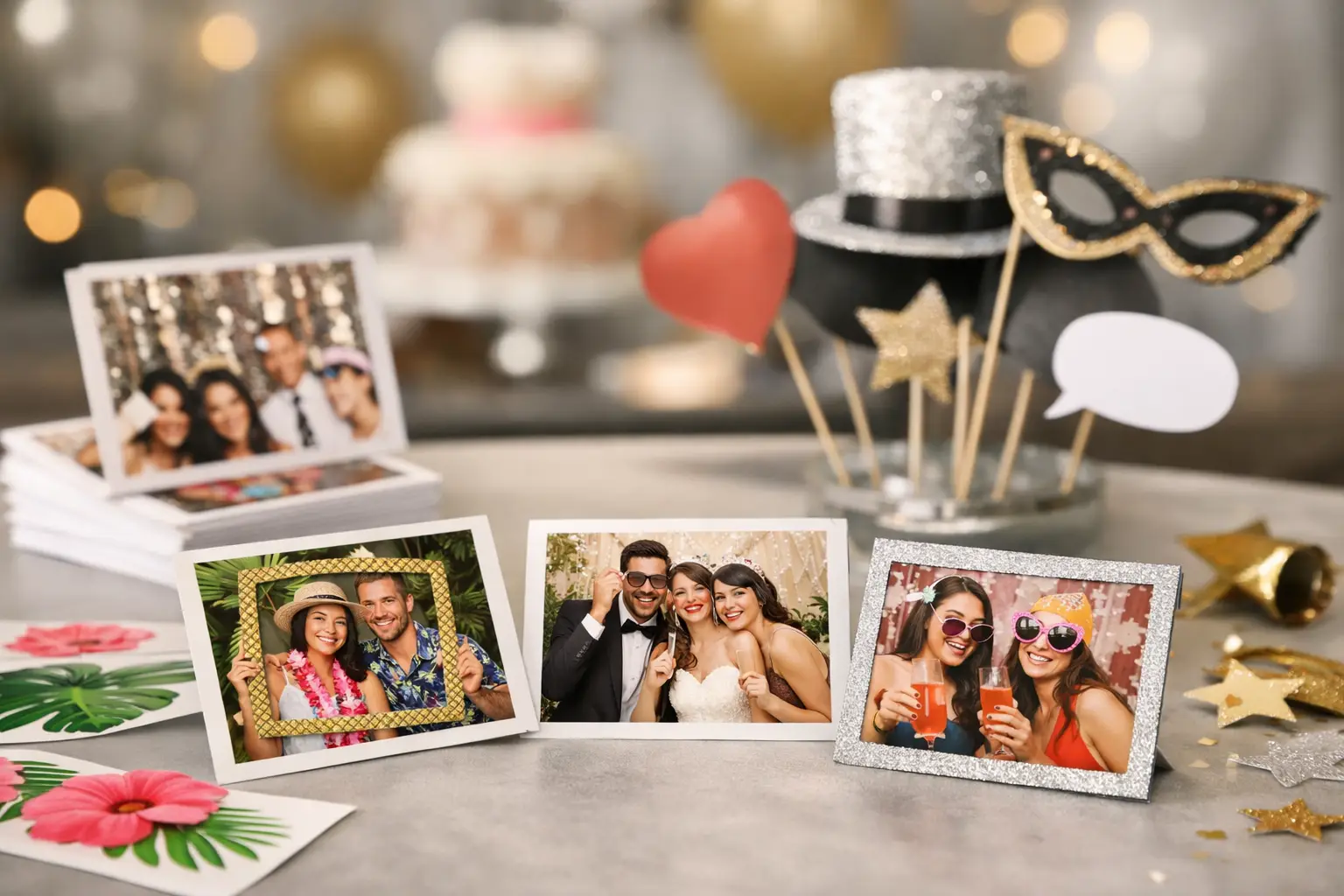
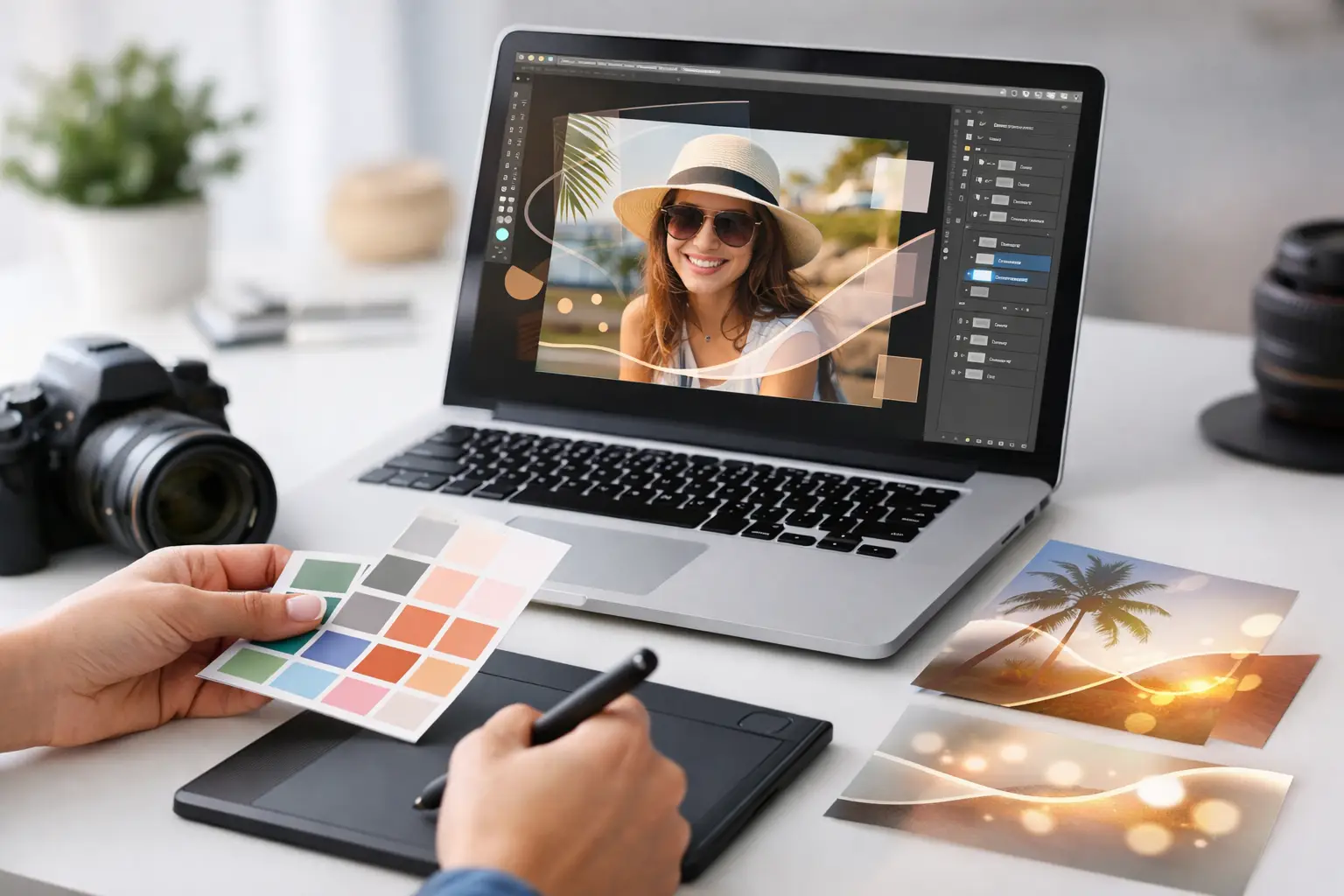
    A photo booth can keep a dance floor buzzing, but the print is what guests take home. Knowing how to personalize event photo prints turns a fun photo into a keepsake that feels made for your wedding, birthday, launch party, or company celebration. The best designs do not compete with the people in the picture. They frame the moment, reinforce the event’s personality, and still look great on a fridge weeks later.

    For Southern California events, where presentation matters and guests are quick to share what looks good, a custom print design is not an afterthought. It is part of the experience.

    Start With the Event’s Big Visual Idea

    Before choosing fonts, borders, or hashtags, get clear on the visual direction. A photo print should feel like it belongs at the event, whether that means timeless black-and-white elegance, Hollywood glamour, a colorful birthday theme, or a clean branded look for a corporate activation.

    Start with the invitation, event signage, floral palette, step-and-repeat, or brand guidelines. You do not need to copy every design element. In fact, trying to squeeze every detail onto a small print usually creates visual clutter. Choose one or two signature elements, such as a color pairing, a pattern, a monogram, or a graphic icon, and let those do the work.

    A beachside wedding in Orange County may call for warm neutrals and a subtle wave motif. A Los Angeles product launch may be stronger with a bold color field, a crisp logo treatment, and room for a campaign hashtag. The goal is recognition, not overload.

    Choose a Print Layout That Fits the Moment

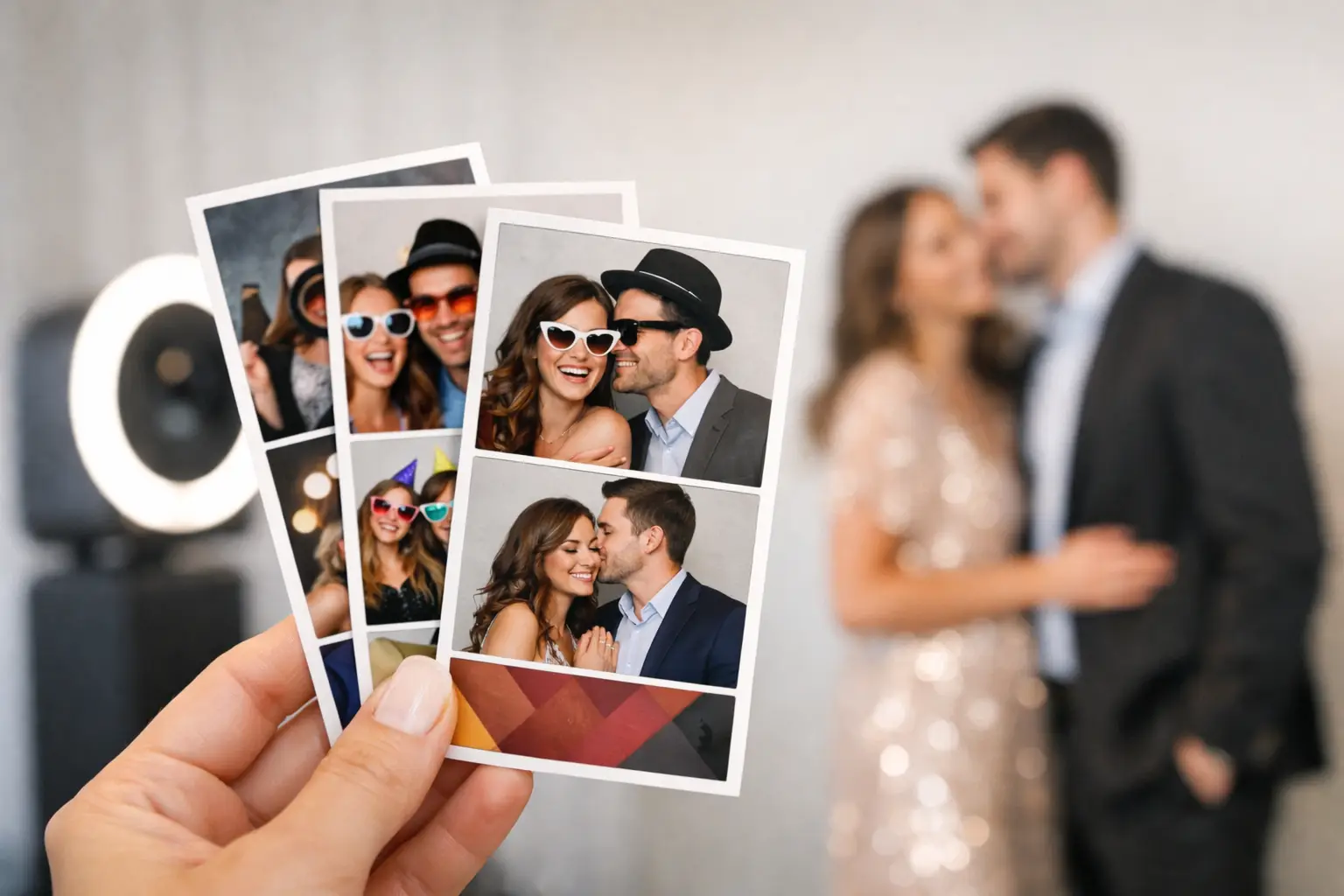
    The layout shapes both the guest experience and the final design. A classic photo strip is social, recognizable, and easy to display. It gives guests multiple chances to loosen up, change poses, and create a little story from top to bottom. It is a natural choice for birthdays, weddings, school events, and parties where the booth is all about playful repeat visits.

    A larger postcard-style print creates more room for a statement image, names, dates, or branding. This format often suits corporate gatherings, red-carpet events, milestone celebrations, and weddings with a more editorial look. Guests get a fuller view of the photo, which matters for group shots, detailed outfits, and polished green screen scenes.

    There is a trade-off. More design space can tempt you to add too much copy. Keep the hierarchy simple: the photo comes first, the event identity comes second, and secondary details come last. If a guest cannot understand the design in a quick glance, it is too busy.

    Give the Photo Room to Shine

    Leave intentional breathing room around images and text. A thin border, a small corner monogram, or a clean footer can look far more premium than a heavily decorated frame. This is especially true when guests are wearing bold colors or the event already has dramatic decor.

    For themed events, use graphics strategically. A disco ball for a retro party, delicate citrus artwork for a summer reception, or a film-inspired frame for a Hollywood celebration can be a great touch. Just make sure the graphic supports the photo instead of covering faces or crowding the composition.

    Personalize With Names, Dates, and the Right Words

    The simplest details are often the most meaningful. For a wedding, first names and the wedding date are usually enough. For a milestone birthday, use the guest of honor’s name, age if they want it featured, and a short phrase that matches the mood. For a baby shower or graduation, a clean event title and date make the print feel instantly personal without making it feel like an advertisement.

    Corporate prints need a different approach. Include the company or campaign logo, but do not let it dominate every frame. A tasteful logo placement, event name, and campaign line can build brand recall while allowing guests to enjoy the photo itself. If the activation includes a social campaign, add a readable hashtag only if people are genuinely likely to use it.

    Avoid long messages. “Cheers to 30 Years” works. A paragraph about the guest of honor does not. The print is a visual souvenir, not an event program.

    Match Fonts and Colors to the Experience

    Typography has a bigger impact than most hosts expect. A script font can feel romantic and refined for a wedding, but it may be hard to read on a small print. A bold sans serif can feel current and confident for a brand event, while a playful hand-drawn typeface may work for a kid’s party or casual celebration.

    Use no more than two fonts in most designs. One can carry the personality, while the other keeps names, dates, and smaller details easy to read. Contrast matters too. Light text on a pale background may look beautiful on a screen but disappear in print. Your final design should be tested against real photos, including photos with dark clothing, bright dresses, and large groups.

    Color should also support the photos. Deep black, white, cream, navy, and metallic-inspired tones are flexible choices because they work with many outfits. Bright event colors can be exciting, but use them as accents if you expect guests to wear equally bold looks. When everything is loud, nothing stands out.

    Use Custom Backdrops and Templates Together

    A personalized print looks even more intentional when it connects to the booth backdrop. That does not mean the backdrop and frame have to match exactly. They should simply share a visual language.

    For example, a floral wedding backdrop can pair with a minimal print design that uses the same soft palette and monogram. A branded green screen experience can place guests in a custom virtual scene while the print carries a clean campaign frame. The photos feel cohesive without becoming repetitive.

    This is where a professional photo booth team can help. Flash Life Photo Booth creates custom templates with the full event environment in mind, from the booth style and lighting to the backdrop and guest flow. That planning helps prevent a common mistake: a print that looked good in isolation but feels disconnected from the actual party.

    Think About the Guest in the Photo

    The best personalized prints are designed for real people, not just a mood board. Ask where groups will stand, how many people may fit in the frame, and whether guests will be holding props. An oversized bottom banner can cut into hands. A wide decorative border can shrink the usable photo area. A delicate pale design may be less forgiving in a dim venue.

    Open-air booths are excellent for larger groups and high-energy gatherings because they leave room for guests to pile in. Enclosed booths bring a more private, nostalgic feel that can inspire candid moments. Green screen setups offer the greatest flexibility for virtual environments and fully themed scenes. Each setup affects what will look best on the final print.

    If your event has multiple audiences, such as a company holiday party with clients and employees, choose a design that feels polished without becoming too formal. Guests should want to keep it, not feel like they were handed a flyer.

    Build in a Little Shareability

    Physical prints are the classic takeaway, but they also become content. A well-designed print encourages guests to photograph it, post it, and tag the event. This is especially useful for brand activations, premieres, influencer events, and celebrations with a strong visual theme.

    Shareability does not require cramming social handles into the design. Often, a distinct graphic treatment, great lighting, and a memorable backdrop do more than a block of promotional text. If you include a hashtag or handle, keep it small, clear, and positioned where it will not distract from faces.

    Review a Proof Before Event Day

    Never approve a template based only on a blank design file. Ask to see a proof with sample photos inside it. Check that names are spelled correctly, dates are accurate, logos are sharp, and small text remains readable. Look at it on a phone, then imagine it as a physical print in a guest’s hand.

    Also consider the event timeline. Last-minute changes happen, but major design changes are easier to manage before setup day. Confirm the final version early so your booth team can focus on delivering a smooth, high-energy experience when guests arrive.

    A personalized photo print works because it captures more than a face in a frame. It captures the feeling of being there. Choose a design that looks unmistakably like your event, then give guests plenty of reasons to step in, strike a pose, and take that memory home.

  • How to Design Branded Photo Overlays That Pop

    How to Design Branded Photo Overlays That Pop

    A great photo booth picture should still look like a great photo a week, a month, or five years after the event. That is the real test of how to design branded photo overlays: the branding needs to frame the moment, not compete with it. Whether you are planning a wedding in Orange County, a Hollywood launch party, or a corporate celebration in Los Angeles, the right overlay turns every guest photo into a polished keepsake people want to save and share.

    Start With the Event Experience

    Before choosing a font, logo placement, or color palette, decide what the photo should make guests feel. A wedding overlay might be romantic and refined. A milestone birthday can be bold, playful, and full of personality. A brand activation often needs to feel clean, intentional, and instantly recognizable from a social post.

    This is where many designs go off track. It is easy to treat an overlay as a place to fit every event detail, but guests are not taking a flyer home. They are taking a photo of themselves having fun. The design should support that memory with a clear visual direction.

    Start with three simple questions: What is the event’s visual style? What information truly needs to appear? Where will guests most likely share these images? A formal black-tie fundraiser and a colorful school dance can use the same high-quality photo booth setup, but their overlays should not look remotely alike.

    Build a Clear Design Hierarchy

    The best overlays guide the eye in seconds. The guest faces should always be the star. After that, the event name, couple’s names, campaign message, or logo should be easy to spot without taking over the image.

    Think of the layout in layers. The photo area comes first, followed by the essential identifier, then decorative details. If every element is large, bright, and competing for attention, nothing feels premium. A simple design with intentional spacing usually photographs better than a crowded one.

    For most events, limit the primary message to one focal point. For example, a wedding could feature the names and date. A corporate event could feature a logo plus a short campaign phrase. If the client needs sponsors, hashtags, social handles, and multiple logos, place the secondary information in a quieter area of the frame or on a companion sharing screen rather than squeezing it all around the photo.

    Give Faces Enough Room

    This sounds obvious, but it is the most common photo overlay mistake. Test the design using actual images of one person, two people, and a larger group. A bottom banner that looks elegant in a blank mockup may cut across hands, outfits, or faces when guests lean into the frame.

    Open-air booths are especially flexible for group photos, so leave enough visual breathing room around the edges. For enclosed booth strips, a slimmer frame may be more appropriate because the photo format is naturally tighter. The booth style and overlay should be designed together, not as separate decisions.

    Choose Colors That Work on Real Photos

    Your event colors may look fantastic on an invitation, but photo overlays have a tougher job. They need to look good against dark suits, bright dresses, patterned backdrops, flash photography, and every skin tone in the room.

    Use brand colors or event colors as accents rather than covering every border in saturated color. White, black, cream, metallic-inspired neutrals, and transparent details often give the photo more room to breathe. If a bright color is central to the event identity, balance it with a neutral background or use it for a small graphic element and type accent.

    Contrast matters just as much. Pale text on a pale photo can disappear, while black type on a dark image can feel muddy. A subtle translucent panel, solid color block, or carefully placed border can protect readability without making the photo look boxed in.

    Print and digital sharing can also behave differently. Fine pastel details may look lovely on a phone but lose impact on a printed strip. Deep colors may look richer in print but heavier on screen. A professional photo booth team should test the final file for the delivery format guests will receive.

    Use Typography With a Purpose

    Fonts create instant mood. Script lettering can feel elegant for weddings and bridal showers, while clean sans serif type feels modern for brand events and corporate parties. The catch is readability. A highly decorative font may look beautiful for names, but it is rarely the right choice for dates, hashtags, URLs, or small sponsor information.

    Use no more than two font families in most overlay designs. One can carry personality, while the other keeps supporting details clear. Make sure the type feels intentional with the event materials already in play, including invitations, signage, step-and-repeat backdrops, and presentation screens.

    For branded events, follow the approved brand guidelines whenever possible. Logo spacing, official colors, and font rules exist for a reason. But brand consistency does not mean placing a huge logo across the bottom of every photo. A smaller, well-positioned mark often feels more elevated and earns more organic shares because guests still see themselves first.

    Design for the Format Guests Will Receive

    A branded overlay is not one-size-fits-all. A classic photo strip, a 4-by-6 print, a GIF, a boomerang, and a social-ready digital image each require different spacing and visual treatment.

    For a multi-photo strip, keep the design consistent across each image and make the bottom panel easy to read. For a 4-by-6 layout, you have more space for a hero image, event detail, and graphic frame. For digital sharing, avoid tiny copy that becomes unreadable on a phone screen. The design should still look sharp when viewed quickly in a text message or Instagram story.

    If your event includes green screen photography, coordinate the overlay with the virtual backdrop. A tropical branded backdrop paired with a formal navy-and-gold frame can feel disconnected. The background, lighting, and overlay should tell one story. That is how a novelty photo turns into a branded experience.

    Add Personality Without Adding Clutter

    The strongest photo overlays include a detail guests remember: a custom illustration of the venue, a monogram, a fun icon, a subtle pattern, or a line that reflects the event theme. These details make the design feel custom without turning it into a scrapbook page.

    For a birthday party, that might mean a disco ball icon or a retro color treatment. For a wedding, it could be a floral accent pulled from the invitation suite. For a product launch, a graphic element from the campaign creative can tie the booth directly to the larger activation.

    Be careful with trends. Chrome text, heavy gradients, neon outlines, and maximalist graphics can be perfect for the right party, but they date quickly. If the goal is a timeless keepsake, use trend-led elements in smaller doses and keep the overall layout clean.

    Review the Overlay in Real Conditions

    Never approve an overlay based only on a screen mockup. Test it with representative photos, ideally in lighting similar to the event environment. Look at it on a phone, in print, and at full size. Check for text that becomes too small, logos that are too close to the edge, and border details that disappear against the background.

    Also test with people standing in different positions. Guests do not pose like stock models. They lean in, throw up a peace sign, hold drinks, wear hats, and bring the whole group into the shot. Your design needs to work when the party gets lively.

    At Flash Life Photo Booth, custom templates are planned around the booth format, event look, and final guest experience, because a beautiful design only matters if it performs smoothly during the celebration. This attention to the details helps the booth feel like a natural part of the event rather than an add-on in the corner.

    A Simple Approval Checklist

    Before sending the design to production, make sure it answers the practical questions that matter on event day:

    • Are faces and outfits clear in every likely pose?
    • Is the event name, logo, or key message visible at a quick glance?
    • Does the color and type treatment match the event’s overall style?
    • Has the file been tested for both print and digital sharing?
    • Does the layout fit the selected booth and photo format?

    A branded photo overlay is a small part of the event plan, but it appears in every guest memory that leaves the booth. Give it the same care as the invitation, décor, and welcome sign, then let the photos do what they do best: keep the energy of the celebration going long after the last flash.

  • Photo Booth for Gala Events That Feels First Class

    Photo Booth for Gala Events That Feels First Class

    A gala can have a stunning venue, a strong program, and a room full of well-dressed guests, yet still need one place where people naturally gather, laugh, and make the night feel personal. A photo booth for gala events does exactly that when it is designed to match the production value of the occasion. It is not a novelty parked in a corner. It is an interactive experience that gives guests a reason to connect while creating polished keepsakes they will actually want to share.

    For Southern California fundraisers, awards dinners, nonprofit benefits, corporate celebrations, and entertainment-industry events, the right booth needs to look as good as the room. Lighting, backdrop choice, custom print design, staff presence, and placement all matter. A premium photo booth should add energy without competing with the host, honorees, or program.

    Why a Photo Booth Works at a Gala

    Gala guests often spend a meaningful part of the evening seated, networking, or moving between cocktails, dinner, auctions, and presentations. A well-run booth creates a welcome change of pace. It gives colleagues, donors, sponsors, friends, and VIPs an easy reason to step away from formal conversation and create a fun moment together.

    That social value matters. A great photo booth gives people an activity that does not require instructions, special skills, or a long commitment. Guests can walk up in pairs, bring a full group, pose with a prop, and return to the party with a photo in hand or a digital image ready to share.

    For hosts, the payoff goes beyond entertainment. Custom photo templates can feature the event name, date, sponsor recognition, campaign message, or step-and-repeat-style branding. The image becomes a tangible reminder of the evening rather than another generic event photo lost in a camera roll.

    Choose the Booth Style for the Room

    The best booth format depends on the guest count, venue layout, dress code, and personality of the event. There is no single correct choice. An intimate black-tie dinner may call for a different setup than a high-energy awards gala with a packed dance floor.

    Open-Air Booths for Big Groups

    An open-air photo booth is a strong choice when you want group photos, a custom backdrop, and a setup that feels integrated with the event design. It works especially well for sponsor walls, branded activations, and galas where guests arrive in groups and want to pose together.

    Open-air booths also give planners more flexibility with the backdrop. A glam look, a branded green screen scene, a floral wall, or a clean custom background can all support the visual direction of the evening. Because the booth is open, it invites attention and helps build excitement around the experience.

    The trade-off is space. Open-air setups need enough room for the booth, backdrop, guests waiting their turn, and staff movement. At a tight venue, thoughtful placement is essential so the line does not interrupt dinner service or block an entrance.

    Enclosed Booths for a Classic, Private Moment

    An enclosed booth delivers a more nostalgic experience with a little privacy built in. Guests who may not jump into an open setup sometimes feel more comfortable inside an enclosed booth, where they can be silly, spontaneous, and away from the center of the room for a few minutes.

    This style can be a smart fit for a formal gala with a vintage, Hollywood, or retro-inspired theme. It creates a distinct destination within the event while still delivering modern image quality and custom print options. The enclosed format is also useful when a venue has a smaller footprint or when you want the booth experience to feel more tucked away.

    Green Screen for a Fully Branded Experience

    Green screen booths are ideal when the gala has a visual concept that cannot be created with a physical backdrop alone. Guests can pose in front of a red-carpet scene, a branded campaign image, a city skyline, a glamorous awards-stage setting, or multiple custom backgrounds tied to the night.

    This option is particularly effective for corporate galas and fundraisers with sponsors. Instead of placing a logo on a static backdrop, the entire image can reinforce the event’s message. The key is keeping the design polished. Too many logos or overly busy graphics can make an otherwise elegant photo feel like an advertisement.

    Make the Photos Match the Event Standard

    At a gala, image quality is part of the experience. Guests have put effort into their attire, and they notice whether photos are flattering, well-lit, and professionally composed. Dim, grainy images or an awkward camera angle can undermine the premium atmosphere you worked to create.

    Look for a booth provider that prioritizes standout lighting, sharp images, and a clean setup. Custom templates should complement the invitation suite, event signage, and stage graphics rather than feel like an afterthought. For a black-tie affair, a restrained design with elegant typography may be best. For a Hollywood fundraiser or awards event, a bolder branded treatment may fit the room.

    Props deserve the same consideration. Fun props can bring out personality and help guests loosen up, but they should suit the crowd. A sophisticated mix of signs, themed pieces, and photo-friendly accessories often lands better than a bin full of random items. The goal is lively photos, not cluttered ones.

    Plan Placement Before Event Day

    A booth can only succeed if guests can find it and use it comfortably. Place it near the cocktail reception, lounge, or dance floor where traffic already flows, but avoid putting it directly beside the stage or auction area. You do not want flash activity, guest laughter, or a line of people competing with a keynote speaker.

    If the gala includes a cocktail hour, opening the booth early gives guests something to do while arrivals are still happening. It also captures photos before dinner, when formalwear is fresh and groups are gathering. Keeping the booth active later in the evening can create a second wave of participation once the program ends and the room shifts into celebration mode.

    Ask the venue about power access, load-in routes, elevator timing, parking, and setup windows. Professional booth staff can manage the technical side, but clear venue coordination prevents last-minute compromises. A polished experience starts long before the first photo is taken.

    Give Sponsors Value Without Overbranding

    Sponsors want visibility, and a photo booth can provide it in a way guests enjoy. A sponsor logo on the print template, digital image, or backdrop can deliver repeated exposure throughout the night. When guests share photos after the event, that recognition can extend beyond the ballroom.

    Still, sponsor placement should be intentional. A small, well-positioned logo often looks more premium than a crowded field of marks. If several sponsors need recognition, rotate virtual backgrounds through a green screen experience or feature a presenting sponsor on the photo design while acknowledging other partners elsewhere in the event.

    For charity galas, the template can also reinforce the mission. A short campaign phrase, event hashtag, or cause-focused design helps guests remember why the room came together. That emotional connection can be more meaningful than simply adding another logo.

    The On-Site Team Makes the Difference

    The equipment matters, but the people running it matter just as much. Experienced attendants keep the experience moving, welcome hesitant guests, help large groups fit into frame, troubleshoot quickly, and protect the visual presentation of the setup throughout the evening.

    For high-visibility events, professionalism is non-negotiable. Staff should arrive prepared, coordinate respectfully with planners and venue teams, and know when to encourage energy and when to let the program take center stage. This is one reason established event companies such as Flash Life Photo Booth focus on both premium booth design and attentive on-site service.

    A gala has too many moving parts for the host to worry about a printer, backdrop, or guest queue. The photo booth should feel easy because the team behind it has already handled the details.

    Build a Keepsake Guests Will Keep

    The most successful gala photo booth experiences feel connected to the evening, not added at the last minute. Choose a booth style that fits the venue, give the photo design the same attention as the centerpieces and signage, and place it where guests can enjoy it without disrupting the program.

    When guests leave with a flattering photo, a laugh with friends, and a visual reminder of the cause or celebration, the booth has done more than fill a corner. It has helped turn a formal event into a night people will talk about long after the final toast.

  • Custom Logo Photo Booth Prints That Get Seen

    Custom Logo Photo Booth Prints That Get Seen

    A great photo booth moment lasts a few seconds. The print can stay on a desk, refrigerator, vanity, or office bulletin board for years. That is why custom logo photo booth prints are more than an event add-on. They give every guest a polished keepsake while keeping your celebration, company, campaign, or cause visible long after the music stops.

    For weddings and private parties, a custom print makes the experience feel personal rather than off-the-shelf. For corporate events, it turns a fun guest interaction into branded content people actually want to take home. The difference is in the design, the photo quality, and the way the print fits the event.

    Why Custom Logo Photo Booth Prints Matter

    A photo strip with a logo is not automatically memorable. If the branding is too large, too busy, or disconnected from the event look, guests may see it as an advertisement instead of a keepsake. The best custom logo photo booth prints lead with the photo, then make the brand or event identity feel like a natural part of the design.

    Think about the photos guests keep. They usually feature a great expression, a favorite person, a sharp image, and a design that feels worth displaying. A custom template supports all four. It can carry a wedding monogram, a milestone birthday name, a company logo, a campaign message, or a sponsor mark without competing with the people in the frame.

    For brand activations, this matters even more. Guests are far more likely to post a photo when it looks polished and feels fun. A clean logo placement creates recurring visibility in a way that feels earned, not forced.

    Start With the Event, Not the Logo

    The strongest print design begins with the atmosphere you want guests to remember. A Hollywood premiere, a black-tie wedding, a product launch, and a sweet sixteen can all use logos, but they should not look alike.

    A formal wedding may call for soft neutrals, a monogram, and elegant typography. A bold corporate party might use campaign colors, energetic graphic shapes, and a clear callout for a hashtag. A school event often benefits from high-contrast lettering and colors that read clearly in photos taken under mixed lighting. The goal is not to place every brand element on one strip. The goal is to create a print guests are excited to save.

    Before design begins, have the essentials ready: the approved logo file, event date, names or campaign wording, color preferences, and any sponsor requirements. If there is an invitation suite, step-and-repeat, menu, or event deck, those visuals can help shape a cohesive template.

    Keep the Brand Mark Clear and Intentional

    Logos need room to breathe. A tiny logo can disappear, but an oversized one can overwhelm the photo. In most cases, a logo works best in a lower corner, header, footer, or a dedicated branded panel. This gives it a consistent presence without taking attention from the guests.

    Use a high-resolution logo with a transparent background whenever possible. A compressed screenshot or low-quality image may look acceptable on a laptop but print soft or jagged. For premium events, those small details show.

    It also helps to choose one primary brand message. If the print needs a logo, website, hashtag, event name, and three sponsor marks, consider a larger print layout or a separate digital sharing screen. Trying to force every detail onto a standard photo strip can make the final piece feel crowded.

    Choose a Layout Guests Will Want to Keep

    Photo booth print formats should support how guests use the booth. A traditional two-by-six strip feels nostalgic, compact, and easy to share. A four-by-six print offers more room for larger photos, a stronger logo treatment, or a themed graphic background. Larger formats can feel especially elevated at weddings, galas, and brand events where presentation is a priority.

    The right layout depends on the booth experience too. An open-air booth is excellent for group shots, fashion-forward backdrops, and high-energy corporate events. An enclosed booth delivers the classic privacy and spontaneous fun many guests love. Green screen photo booths create even more design flexibility by placing guests inside a branded scene, destination image, movie-inspired setting, or custom campaign world.

    A good template accounts for the number of photos, the booth orientation, and the guest flow. Four small images may capture a lot of personality, while one or two larger images can create a more editorial look. There is no universal best option. A busy party often benefits from a quick, recognizable strip format, while a luxury event may prefer fewer images with more breathing room.

    Match Print Quality to Your Event Standard

    Custom design cannot rescue a poorly lit photo. Crisp images, flattering lighting, rich color, and professional printing are what make branded prints feel premium rather than disposable.

    That is especially important for Los Angeles and Orange County events, where guests are used to cameras, content, and polished visual experiences. Whether the crowd includes family members at a reception or entertainment-industry professionals at a launch, people notice when photos look dark, washed out, or blurry.

    A quality photo booth setup should produce prints with clear detail and colors that complement skin tones as well as the event palette. Lighting should flatter guests without creating harsh shadows. An experienced attendant also keeps the booth running, encourages participation, manages props, and helps prevent the awkward technical issues that can interrupt momentum.

    Flash Life Photo Booth brings custom template design together with standout lighting, premium booth options, and on-site service, so the printed result feels as strong as the event itself.

    Make the Print Part of the Full Guest Experience

    The print is the final touch, but the experience begins before the first photo. Your backdrop, props, booth style, and template should feel connected. A glamorous black backdrop with metallic accents pairs naturally with a modern logo design. A tropical birthday theme may call for colorful props and a bright custom border. A branded green screen experience can take guests somewhere impossible while keeping the campaign identity front and center.

    For company events, consider the moment you are asking guests to create. Are they celebrating a team win? Meeting a celebrity guest? Trying a new product? Attending an annual holiday party? The print should reflect that specific occasion, not simply repeat the corporate logo.

    A branded phrase can add personality when it is short and natural. “Team Night Out,” “Made for the Moment,” or the event name may feel more collectible than a large block of corporate copy. The photo remains the star. The words should frame the memory, not explain it.

    Common Design Mistakes to Avoid

    The most common mistake is overdesign. Too many colors, fonts, borders, logos, and messages can make a print feel dated before guests leave the venue. Pick a clear visual direction and trust it.

    Another issue is ignoring contrast. Light text on a light background, thin script fonts, and low-opacity logos may look subtle on screen but become difficult to read in print. Ask to see the design at actual print size, not just enlarged on a monitor.

    Finally, do not treat customization as a last-minute detail. A thoughtful template needs enough time for design, revisions, proofing, and production planning. Early coordination is particularly helpful when working with sponsors, brand teams, wedding planners, or venues with specific visual guidelines.

    A Better Way to Plan Your Branded Prints

    Begin by deciding what you want guests to feel when they pick up their photo. Fun and spontaneous? Elegant and personal? Connected to a product launch or campaign? That answer will guide the booth choice, background, print format, and branding style more effectively than starting with a logo file alone.

    Then keep the design focused, confirm that it prints beautifully, and choose a photo booth team that understands both the creative side and the realities of live events. When every element works together, guests do not just receive a branded print. They leave with proof that they were part of a moment worth remembering.

  • How to Entertain Guests at Receptions with Style

    How to Entertain Guests at Receptions with Style

    The first 30 minutes of a reception set the temperature for the entire event. If guests walk in, find their seats, and have nothing to do but check their phones, the room can feel flat before the celebration even begins. Knowing how to entertain guests at receptions means giving people easy, natural reasons to mingle, laugh, participate, and make memories without turning the evening into a forced activity schedule.

    The best receptions do not rely on one big gimmick. They build energy in waves: a welcoming arrival, a few interactive moments during dinner, a lively dance floor, and a keepsake guests are excited to take home. Whether you are planning a wedding in Los Angeles, a milestone party in Orange County, or a polished corporate celebration, the goal is the same: make every guest feel like they were part of the occasion.

    Start Entertaining Guests Before the Reception Officially Begins

    Cocktail hour is not filler time. It is the bridge between the ceremony or arrival period and the main celebration, and it is often where guests decide whether the event feels comfortable and social. Give them a reason to move around the room instead of gathering in small groups near the bar.

    A signature drink station, passed appetizers, live acoustic music, or a styled welcome display can create an immediate sense of occasion. The key is to choose something that fits the personality of the event. A formal black-tie reception may call for a jazz trio and elegant escort-card display, while a birthday celebration might work better with a DJ playing recognizable throwbacks and an interactive photo moment near the entrance.

    Photo booths are especially effective during this window because guests are dressed their best and still have plenty of energy. An open-air booth encourages group photos and lets nearby guests see the fun happening, which naturally draws a crowd. An enclosed booth offers a more private, nostalgic experience for guests who want to get silly away from the center of the room.

    Create a Reception Flow That Never Feels Rushed

    Entertainment is not only about what you book. It is about when people experience it. A packed agenda can leave guests feeling managed instead of welcomed, while too much unstructured time can drain momentum. The sweet spot is a reception with a clear rhythm and room for spontaneous fun.

    After guests are seated, keep formal remarks focused and well-paced. A heartfelt toast matters more when it is not the fourth long speech in a row. If dinner service takes time, use the room strategically: play music that matches the atmosphere, display a slideshow with intention, or invite guests to visit an activity station between courses.

    Save high-energy moments for after the major formalities. Once the first dance, speeches, or award presentations are complete, guests are ready to relax. This is the ideal time for a photo booth, 360 video booth, dance-floor lighting, or a surprise performance to become the center of attention.

    It also helps to plan for different types of guests. Not everyone wants to dance for three hours, and not everyone wants to sit at a table all night. A great reception gives people options without making them choose between being social and being comfortable.

    Choose Interactive Entertainment That Brings People Together

    Passive entertainment can be beautiful, but interactive entertainment creates stories. Guests remember the moment their coworkers climbed into a photo booth together, their grandparents joined the dance floor, or their group created a video that ended up in everyone’s group chat the next morning.

    For most receptions, the strongest entertainment choices are visual, easy to understand, and accessible to a wide age range. Consider these guest-friendly options when deciding how to entertain guests at receptions:

    • Open-air photo booths work beautifully for large groups, weddings, brand events, and celebrations with a statement backdrop. They keep the action visible and invite guests to join in.
    • Enclosed photo booths bring a classic, private booth feeling with a polished finish. They are a smart fit for guests who love candid, playful photos.
    • Green screen photo experiences let you match the backdrop to a wedding theme, destination, company campaign, or Hollywood-style concept without building an elaborate set.
    • 360 booths create high-energy videos that guests want to share, especially at younger celebrations, influencer-facing events, and corporate parties with a social media focus.
    • Live entertainment such as a DJ, band, percussionist, or specialty performer can lift the room when timed around key transitions rather than placed in the background all evening.

    The right choice depends on your guest count, venue layout, and event style. A 360 booth can be a major draw, but it needs enough space and an audience that will enjoy being on camera. A premium photo booth is more flexible for mixed-age groups and gives guests a printed or digital memento they can keep.

    Make the Entertainment Match the Look of the Event

    Guests notice when an activity looks like an afterthought. They also notice when every detail feels connected. Your entertainment should support the visual language of the reception, from the backdrop and props to the photo template, lighting, and signage.

    For a romantic wedding, consider a clean floral backdrop, soft lighting, and a custom print design featuring the couple’s names and date. For a corporate reception, branded overlays, campaign colors, and a green screen experience can turn every guest photo into a useful, shareable brand moment. For a birthday party or school event, brighter props and more playful templates may be exactly right.

    Quality matters here. Dim lighting, blurry images, and generic templates can make an otherwise beautiful event feel less polished. A professionally staffed photo booth gives guests a simple experience while ensuring the setup stays organized, the images look great, and no one has to troubleshoot equipment during the party.

    Flash Life Photo Booth has seen this work across intimate celebrations and high-visibility Southern California events: when the photo experience looks intentional, guests treat it like part of the event, not a corner attraction.

    Give Guests a Reason to Participate

    Even great entertainment benefits from a little invitation. Guests may be interested in the booth or dance floor but hesitate to be first. Your DJ, host, planner, or booth attendant can help create a low-pressure nudge.

    A quick announcement after dinner can work well: invite guests to take a photo with the guest of honor, encourage each table to visit the booth, or let everyone know digital images will be available to share. For a wedding, a sign that says, “Leave us a photo and a note” can turn booth strips into a meaningful guest book alternative.

    You can also use small prompts that make participation feel personal. Ask guests to pose with someone they have known the longest, recreate an old photo, or take one serious shot and one funny shot. These ideas are simple, but they give groups a starting point and help create more expressive photos than a standard smile-at-the-camera pose.

    Avoid over-directing the crowd. A reception should feel celebratory, not like a team-building exercise. Give people a spark, then let the fun build on its own.

    Plan for the Practical Details That Protect the Fun

    The most entertaining reception can lose momentum if guests are standing in a long line, cannot hear the music, or do not know where an activity is located. Work with your venue and vendors before event day to map out the guest experience.

    Place interactive entertainment where it is visible but does not block dinner service, entrances, or the dance floor. Make sure there is enough room for groups to gather around a photo booth without creating a traffic jam. If the booth will be active during dinner, position it far enough from tables that flashes, music, and conversation do not interrupt guests who are eating.

    Timing matters, too. A booth that opens at cocktail hour and stays open through dancing gives guests multiple chances to participate. Some will visit early with family, then return later with friends once the dance floor energy rises. For a shorter reception, focus the most interactive elements during the busiest two or three hours instead of spreading them too thin.

    Finally, choose vendors who know how to work a room. Friendly on-site staff can encourage participation, manage props, keep lines moving, and solve small issues before they become visible to the host. That level of care is not flashy, but it is what lets the entertainment feel effortless.

    The reception does not need more noise or more activities to be memorable. It needs a few well-chosen moments that make guests feel welcome, connected, and excited to stay a little longer. Build those moments into the flow of the night, and the photos, laughter, and full dance floor will follow naturally.

  • 12 Best Wedding Booth Guestbook Ideas That Last

    12 Best Wedding Booth Guestbook Ideas That Last

    A wedding guestbook should not spend the next 20 years closed on a shelf. The best wedding booth guestbook ideas turn the laughter, poses, and unexpected reunions from your reception into something you will actually want to revisit. When guests can snap a polished photo, leave a personal note, and see their page come together in real time, the guestbook becomes part of the entertainment instead of another wedding-day obligation.

    For couples planning a Los Angeles or Orange County celebration, the right setup depends on your guest count, venue layout, and the kind of keepsake you want. A classic scrapbook feels warm and personal. A modern printed album looks beautifully finished. Digital messages can add a fun, cinematic layer. The goal is the same: make it easy for guests to participate and give you a record of the people who made your day feel big.

    Best Wedding Booth Guestbook Ideas for Your Reception

    1. The classic photo strip scrapbook

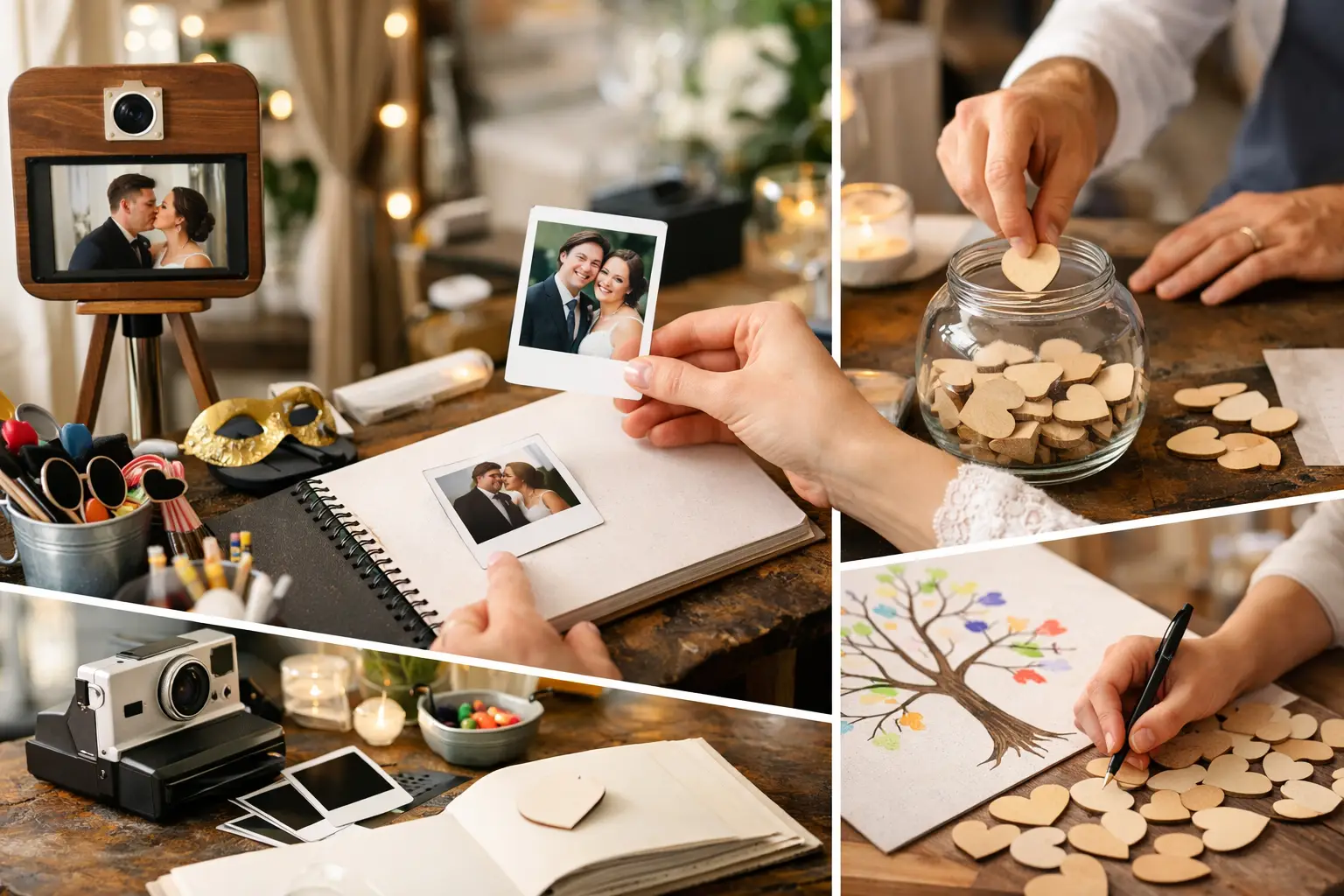
    This is the favorite for a reason. Your photo booth prints two copies of each photo strip: one goes home with the guest, and the other goes into a scrapbook beside their message. Put metallic pens, a clean sign, and an attendant near the book so everyone knows exactly what to do.

    Choose a page layout with enough room for photos and handwriting. If the pages are too crowded, guests tend to rush their notes. A custom photo template with your names, date, and wedding colors ties every strip into the look of the day.

    2. A luxe bound photo album

    For a more polished look, use a high-quality bound album with pre-designed pages. Each spread can have designated spaces for photo strips and notes, creating a keepsake that feels closer to a coffee-table wedding book than a scrapbook.

    This option works especially well for formal ballroom weddings, black-tie receptions, and couples who prefer a clean, editorial finish. The trade-off is that guests have less freedom to decorate the pages, so choose it when a refined look matters more than spontaneous collage energy.

    3. A message card wall with photo prints

    Give every group a printed photo and a small card to write a note, marriage advice, or favorite memory. The cards can be clipped to a display wall during the reception, then collected into an album after the wedding.

    It creates a visual moment for the room and gives guests something to browse between dinner and dancing. Make sure the display is close to the booth but not in the line for drinks or the dance floor. Good flow keeps the participation high.

    4. A “date night” guestbook

    Instead of asking for general well wishes, prompt guests to suggest a future date night. They can attach a photo strip and write ideas such as tacos in Downtown LA, a beach picnic, a movie marathon, or a weekend staycation.

    This makes the book useful long after the wedding. On an anniversary or a random Friday night, you can open it and choose an idea from someone you love. It is especially fitting for couples who want their guestbook to feel playful rather than overly sentimental.

    5. Advice cards organized by milestone

    Set out cards with prompts such as “Open on your first anniversary,” “Read after your first big disagreement,” or “Save for your first home.” Guests add a booth photo and write advice that fits the prompt.

    This idea takes slightly more preparation, but the payoff is real. Rather than reading every message in one sitting after the honeymoon, you get little reminders of your wedding community at different points in your marriage.

    6. A green screen travel guestbook

    A green screen booth can place guests in Paris, on a tropical beach, inside a vintage postcard, or in any backdrop that matches your wedding story. Ask guests to add a note about where they think you should travel next, or their favorite trip memory with you.

    This is a strong fit for destination-inspired weddings and couples with a shared love of travel. The virtual backgrounds give every page variety without requiring a major physical backdrop installation at the venue.

    7. The editorial black-and-white album

    If your wedding style is modern, minimalist, or fashion-forward, keep the booth photos in black and white. Pair them with a white, black, or linen-covered album and a few excellent pens in a single ink color.

    The result is striking because it removes visual clutter. It also lets the guests’ expressions do the work. An open-air booth with flattering lighting is ideal here, especially when you want group portraits that feel elevated enough to frame later.

    8. A postcard guestbook from your city

    Use postcard-style prints featuring a subtle illustration of your venue, Los Angeles skyline, palm trees, or a favorite neighborhood. Guests can write a message on the reverse, just like they are sending a note from your wedding day.

    Postcards are easy for guests to understand, quick to complete, and simple to store. You can keep them in a box, place them in a binder, or display a rotating selection at home. This is a great middle ground if a traditional large album feels too formal.

    9. The family photo time capsule

    Ask guests to write a note for a future milestone: your fifth anniversary, a future child, your first holiday as a married couple, or simply a day when you need a laugh. Their booth photo becomes a snapshot of who was there at the beginning.

    Use archival-quality paper and pens if you want to preserve the book for decades. It is a quieter concept, but it can be deeply meaningful at weddings where family history and generations are at the center of the celebration.

    10. A coffee-table magazine guestbook

    Create a custom cover with your names and wedding date, then build pages around a magazine-inspired layout. Include space for photo strips, captions, guest signatures, and playful sections like “Best Dressed,” “Dance Floor MVP,” or “Most Likely to Need a Late-Night Snack.”

    This idea shines at high-energy receptions where your crowd will enjoy the prompt. It also gives your photo booth attendant a clear purpose: helping guests place prints where they belong so the book stays organized while still feeling fun.

    11. A digital video-message companion

    A printed guestbook captures faces and handwriting. Add short video messages to capture voices, jokes, and the emotion in the room. Guests can take their photo, sign the album, then record a quick message for you.

    Do not treat this as a replacement for the physical book if you love tangible keepsakes. The strongest version combines both. You get the instant joy of flipping through photos after the wedding and the future thrill of hearing your favorite people speak directly to you.

    12. The after-party memory book

    For couples throwing a late-night after-party, keep the guestbook booth open after the formal reception ends. The early pages will have grandparents, family portraits, and polished smiles. The later pages will have the loosened-tie, shoes-off, dance-floor version of the night.

    That contrast tells the full story. If your venue has a separate lounge or after-party space, an enclosed booth can be especially fun here because it gives guests a little privacy to be silly without feeling like they are performing for the room.

    Make the Guestbook Easy to Use

    The best idea can fall flat if guests do not know the plan. Place the guestbook station next to the photo booth, not across the room. Use a simple sign that says, “Take a photo, keep one, and leave one with a note for the newlyweds.” Keep the pens tested, the pages open, and the table clear of extra decor.

    An experienced booth attendant makes a major difference. They can remind guests to add their duplicate print, assist with placement, and keep the book from becoming a pile of loose photos. Flash Life Photo Booth builds this kind of support into the experience, so couples can enjoy the party instead of managing a keepsake station.

    Think about timing, too. Cocktail hour is perfect for early participation, while the dance floor brings the most animated photos. If you want messages from every generation, have the booth ready before dinner. If you want the wildest pages, keep it running late.

    Choose the Booth Style to Match the Book

    Open-air booths are the best fit for large group photos, wedding parties, and a guestbook full of wide, expressive images. They also give guests a clear view of the action, which naturally draws people in. Enclosed booths create a more private, nostalgic feel and often produce the most candid pages.

    Green screen booths are worth considering when the guestbook concept needs a specific visual theme. They can bring a destination, movie-inspired, seasonal, or custom-designed look to every print without competing with your actual venue decor. Whatever booth style you choose, prioritize sharp images, flattering lighting, and a print design that still looks great years from now.

    Your guestbook does not need to be perfect to be meaningful. It needs to feel like your people: a little polished, a little funny, and full of moments you would have missed without a reason for everyone to step in front of the camera.

  • Best Branded Event Guest Experiences That Get Shared

    Best Branded Event Guest Experiences That Get Shared

    A logo on a step-and-repeat is not a branded guest experience. A great branded experience gives people a reason to walk over, participate, laugh with their friends, and leave with content they actually want to keep. The best branded event guest experiences make the brand feel like part of the fun, not an interruption between cocktails and conversation.

    For Los Angeles and Orange County events, expectations are high. Guests have attended polished premieres, creator events, corporate parties, product launches, and weddings with plenty of visual moments. If the experience looks generic, takes too long, or produces photos no one wants to share, it will not create the attention your event deserves.

    The answer is not simply adding more branding. It is designing an activity that feels natural to the room, looks fantastic on camera, and gives every guest a polished takeaway.

    Start With the Guest, Not the Logo

    The strongest brand activations answer a simple question: why would someone want to do this? The reason might be a flattering photo, a funny group moment, a personalized keepsake, a chance to try something unexpected, or content that fits their social feed. Your branding should elevate that reward rather than compete with it.

    A branded photo booth works because it gives guests an easy role. They do not need to learn a complicated game or wait for instructions. They step in, pose, react, and receive something worth sharing. That simplicity matters at busy corporate events, Hollywood parties, conferences, and launch nights where guests may only have a few minutes to engage.

    Think about the feeling you want to create. A beauty brand may want clean lighting, editorial poses, and a refined backdrop. A beverage company may want big energy, fast group shots, and bold colors. A tech brand may benefit from a futuristic green screen environment that puts attendees into a world they could not otherwise access. The booth format, backdrop, templates, props, and guest flow should all support that feeling.

    Choose a Photo Experience That Fits the Room

    The best branded event guest experiences are not one-size-fits-all. The right setup depends on your venue, guest count, creative direction, and how much of the event you want the activation to own.

    Open-Air Booths Keep the Energy Visible

    An open-air photo booth is a strong choice when you want the experience to become part of the atmosphere. Guests can see friends posing, which creates a natural line and encourages participation. It also gives you room for larger groups, branded backdrops, custom lighting, and props that support a campaign theme.

    This format works especially well for networking events, company celebrations, red-carpet-style parties, and brand activations where visibility matters. The trade-off is that an open setup needs a thoughtful background and enough space around it. A beautiful backdrop is doing more than displaying a logo. It is setting the visual standard for every photo that leaves the event.

    Enclosed Booths Create a More Personal Moment

    An enclosed booth has a different kind of appeal. It gives guests a little privacy to be silly, romantic, dramatic, or completely unfiltered. That nostalgia is powerful at weddings, anniversaries, birthday parties, and events where the brand wants to create a more intimate interaction.

    For a branded event, the enclosure can feel like a mini destination inside the venue. Guests step away from the crowd, have their moment, and come out with a printed or digital keepsake. It is less visually prominent than an open-air setup, so it may not be the best fit when your priority is a large, highly visible activation. But for deeper guest engagement, it can be exactly right.

    Green Screen Turns a Booth Into a Campaign World

    Green screen is the move when a physical backdrop cannot deliver the concept. Guests can pose in a branded destination, a custom-designed set, a movie-inspired scene, a product environment, or a series of creative virtual backgrounds. It gives a campaign much more range without requiring a massive scenic build.

    The creative opportunity is huge, but the details matter. Virtual backgrounds need to look intentional and high quality, not like a quick graphic dropped behind a subject. Clothing colors, lighting, and the complexity of the scene should all be considered during planning. When done well, green screen makes guests feel like they stepped inside the campaign.

    360 Booths Are Built for Motion and Social Content

    A 360 booth adds movement, music, and a crowd effect. It is often a great fit for product launches, nightlife events, influencer moments, celebrations, and high-energy corporate parties. Instead of a still photo, guests receive a short video that can feature branded overlays, effects, and event-specific graphics.

    It is important to plan for the footprint and traffic flow. A 360 booth needs room for guests, the platform, the rotating camera, and an audience that will naturally gather around it. It is a showpiece, which is a major advantage when you want buzz, but it should not be squeezed into a quiet corner.

    Make Every Visual Element Work Harder

    A branded event experience is only as strong as the content it creates. Your logo, color palette, type style, product imagery, and campaign message should feel consistent from the invitation to the guest takeaway. Consistency makes the activation memorable without making every image look like an ad.

    Custom photo templates are one of the most effective ways to keep branding present. A clean logo placement, event name, date, campaign phrase, or themed border can turn each print and digital image into a polished branded asset. The key is restraint. Guests should still be the focus of the photo.

    Lighting deserves the same attention as the graphics. People share photos when they look good in them. Premium lighting creates flattering skin tones, clear detail, and a polished finish that reflects well on both the guest and the brand. Cheap-looking images can undercut an otherwise excellent event faster than almost anything else.

    Props can also work when they are chosen with purpose. For a playful event, custom signs, themed accessories, or product-inspired props can spark ideas and help guests loosen up. For a luxury brand or executive audience, fewer props and a stronger visual set may be the better choice. The experience should match the personality of the people in the room.

    Keep the Guest Flow Fast and Friendly

    A beautiful booth that creates a 20-minute line is not a win. At a branded event, timing influences participation. Guests should understand where to stand, what to do, and how they will receive their photos without having to ask multiple questions.

    Experienced on-site attendants make a major difference here. They welcome guests, keep the line moving, help groups get comfortable, manage the equipment, and protect the quality of the experience throughout the event. They also notice small issues before they become visible problems, such as a tilted backdrop, missing props, or a crowd forming in the wrong place.

    Placement matters, too. Put the experience somewhere guests will see it, but avoid blocking food service, registration, bar traffic, or key entrances. Near the main action is usually better than hidden away, especially if the goal is organic participation. If your event has a program, consider when you want the booth to be busiest. A booth can be a perfect activity during arrival, cocktail hour, or the transition after a presentation.

    Build Sharing Into the Experience

    Guests may love a print, but digital delivery expands the life of the activation. Branded images, GIFs, videos, and social-ready assets can continue circulating after the event ends. That does not mean every guest will post, and no planner should promise a specific number of social shares. It does mean you are giving people content that is easy to save, send, and share if they choose.

    Make the content worthy of that choice. Use a strong backdrop, great lighting, a clear branded overlay, and a format suited to the event. A formal gala may call for elegant portraits. A casual launch party may get more traction from animated GIFs or 360 videos. The best choice depends on the audience and the behavior you want to encourage.

    If you are producing an event for a major brand, plan the creative early. Last-minute logos and vague instructions tend to result in generic output. Share brand guidelines, campaign assets, required messaging, and approval contacts ahead of time so the final booth design feels intentional from the first guest photo.

    Let the Experience Carry the Brand Forward

    The best branded event guest experiences do more than fill downtime. They give guests a story, a souvenir, and a reason to remember who created the moment. At Flash Life Photo Booth, that means pairing standout booth design, custom visuals, quality lighting, and professional on-site service so the activation feels easy for the planner and exciting for everyone else.

    When you are choosing a branded photo experience, do not ask only whether it will look good in the room. Ask whether guests will want to step into it, whether they will love what they receive, and whether the finished content reflects the level of your brand. Get those three things right, and the photos will keep working long after the last guest heads home.

  • How to Brand Event Photos That Guests Share

    How to Brand Event Photos That Guests Share

    A great event photo should do more than prove someone was there. It should carry the look, energy, and personality of the celebration long after the last song ends. Learning how to brand event photos gives every guest a polished keepsake and gives your event a visual identity that lives on in camera rolls, group chats, and social feeds.

    For a wedding, branding may mean a refined monogram and colors that match the invitation suite. For a product launch or company party, it may mean turning every photo into a clean, shareable extension of the campaign. The goal is the same: create photos that feel intentionally yours, not like generic photo booth strips with a logo added at the last second.

    Start With the Event’s Visual Point of View

    Before selecting a backdrop, photo template, or prop, get clear on the event’s visual direction. Pull from the details that already define the experience: invitation colors, florals, venue architecture, a brand campaign, dress code, or a milestone theme. Those choices should guide the photo moment rather than compete with it.

    A corporate event with a sleek black-and-gold campaign can support a bold graphic frame and a clean branded step-and-repeat. A garden wedding may call for softer tones, delicate typography, and an open-air setup that lets the venue shine. A birthday party in Los Angeles with a high-energy guest list may benefit from a colorful green screen scene or a glam backdrop that feels made for posing.

    Do not try to fit every visual idea into one image. The best branded event photos usually have one strong focal point, supported by a few consistent design details.

    Choose a Design Priority

    Decide what guests should notice first. It could be the couple’s names, a campaign slogan, a product, a special date, or a custom backdrop. Once that priority is set, the rest of the design becomes easier. If a company logo is the priority, give it breathing room. If the wedding monogram is the hero, do not crowd the template with extra icons, hashtags, and decorative copy.

    Design a Photo Template People Want to Keep

    The photo template is the printed or digital frame around the images. It is one of the easiest and most effective ways to brand event photos because it travels home with guests. It also appears in every digital share.

    A strong template uses the event colors, readable fonts, and a layout that leaves plenty of room for faces. This last part matters. Guests are there to see themselves having fun, not to appear in tiny boxes beneath an oversized logo.

    For weddings and private parties, a name, date, or short phrase is usually enough. For branded events, use the company logo, event name, and campaign language with restraint. A call to action can work, especially for a launch or promotional event, but it should not make the photo feel like an ad. Guests share images that make them look good first.

    Consider how the design works in both print and phone formats. A narrow photo strip can feel classic and collectible, while a 4-by-6 layout gives groups more room and creates a more editorial look. Digital-only experiences can use animated overlays, branded boomerangs, GIFs, or short video treatments, but the graphics still need to be easy to read on a small screen.

    Use the Backdrop as Part of the Brand Experience

    A backdrop does more than fill empty space. It sets the visual quality of every single photo. When the backdrop clashes with the template or lighting, even the best poses can look disconnected.

    For corporate functions, a branded step-and-repeat can be the right move when logo visibility is a major goal. Keep the logo scale practical. Logos that are too large become distracting, while logos that are too small disappear in group shots. A repeated pattern with enough negative space photographs more cleanly than a crowded wall of marks.

    For weddings, birthdays, and upscale celebrations, a premium fabric backdrop, shimmer wall, floral installation, or custom color treatment may serve the event better than obvious branding. The personal brand is the atmosphere. A well-chosen backdrop can carry that identity without putting names across the entire frame.

    Green screen is especially useful when physical scenery is not practical or when you want guests to choose from several branded worlds. It can place guests on a red carpet, in a campaign environment, on a tropical getaway, or against custom artwork. The trade-off is that green screen needs capable lighting, thoughtful artwork, and professional setup to look convincing. A weak cutout effect can make a premium event feel less polished.

    Make Sure the Photos Look Worth Sharing

    Branding cannot rescue poor image quality. If photos are dark, harshly lit, blurry, or poorly composed, guests will not post them, no matter how attractive the overlay is.

    Prioritize flattering lighting and a booth setup that gives groups room to pose. Open-air photo booths work well for large groups, statement backdrops, and venue-forward events. Enclosed booths create a more private, nostalgic experience that can encourage guests to get playful. A 360 booth brings movement and high-impact video content, but it needs enough floor space and a guest flow plan so it does not become a traffic jam.

    This is where an experienced photo booth team earns its place in the event plan. Staff should be ready to guide guests, keep the line moving, adjust small issues quickly, and make sure the setup stays camera-ready throughout the event. Flash Life Photo Booth builds the experience around that mix of standout visuals, custom design, and hands-on event support.

    Put Your Branding in the Right Places

    Not every surface needs a logo. In fact, over-branding is one of the quickest ways to make an event photo feel less special. Use visible branding where it has a job to do, then let the guest experience carry the rest.

    Your template is usually the most reliable placement because it appears on every image. The backdrop can reinforce the theme or brand, while the digital gallery and sharing screen can add another touchpoint. Props can support a campaign too, particularly when they feature recognizable phrases or product-related shapes, but they should still be fun enough for guests to grab.

    For corporate events, consider the journey from photo to share. A branded email or text delivery screen can extend the experience without placing more graphics on the actual image. For social-focused activations, a campaign hashtag can be included subtly on the template or display signage. It depends on the audience. A formal gala may favor quiet elegance, while a festival-style brand activation can handle louder, more playful messaging.

    Plan for Real Guest Behavior

    The most beautiful photo concept can fall flat if guests do not understand where to stand, what to do, or whether they can share the result. Make the booth inviting from across the room. Good lighting, an appealing backdrop, and an energetic attendant do more to attract participation than a lengthy instruction sign.

    Think about timing, too. At a wedding, the booth often gets busy after dinner and once dancing starts. At a corporate event, guests may use it most during arrival, cocktail hour, or a planned break between presentations. Position the booth where it is visible but not blocking the bar, buffet, stage access, or major traffic paths.

    If the event includes VIPs, executives, or talent, give them a reason to participate early. Their photos create momentum. Once people see colleagues, friends, or the guest of honor having a great time, the line builds naturally.

    Test the Details Before Event Day

    Custom graphics should be reviewed before production, not while guests are waiting. Check spelling, dates, logos, color accuracy, and whether the artwork looks balanced around different group sizes. A template that looks perfect with two people can feel awkward when eight friends squeeze into the frame.

    Also confirm practical details with the venue: load-in access, setup time, power, Wi-Fi expectations, ceiling height for certain backdrops, and the footprint needed for the booth type. A smooth setup protects the guest experience and keeps the branded moment looking effortless.

    Let the Photos Carry the Memory Forward

    The strongest branded event photos feel less like marketing materials and more like proof that the event was worth attending. They capture the laughter, the outfits, the unexpected group poses, and the people who made the room feel alive.

    Choose branding that frames those moments instead of overpowering them. When guests receive a photo that looks polished, feels personal, and matches the event they just enjoyed, sharing becomes the natural next step.

  • Wedding Guest Engagement Ideas Guide for Fun Receptions

    Wedding Guest Engagement Ideas Guide for Fun Receptions

    The moment dinner ends is where many receptions either lift off or lose momentum. Guests who have traveled across Los Angeles, Orange County, or beyond want more than a seat, a meal, and a dance floor they are hesitant to enter. This wedding guest engagement ideas guide is built for couples who want their reception to feel alive, personal, and easy to enjoy from the first cocktail to the final sendoff.

    The goal is not to schedule every minute. Great guest engagement gives people a reason to mingle, laugh, take part, and create memories without making anyone feel put on the spot. Choose a few high-impact moments, make them easy to join, and let the celebration do the rest.

    Start With a Reception That Invites Participation

    A welcoming reception has more energy when guests have something to do right away. During cocktail hour, set up an activity near the bar, lounge area, or entrance to the dinner space. This helps guests who do not already know one another start conversations naturally while the wedding party finishes portraits.

    A creative guest book is a strong choice because it gives everyone a low-pressure way to contribute. Ask guests to leave date-night advice, favorite marriage wisdom, or a prediction for where the couple will be in ten years. For a more visual option, use an instant-photo guest book so written notes sit beside real moments from the evening.

    The key is placement. If an activity is hidden in a corner, people will miss it. Put it somewhere guests naturally pass through, give it clear instructions, and ask your coordinator, DJ, or host to mention it once early in the evening.

    Make the Photo Booth a Real Guest Experience

    A photo booth is not just a favor table with a camera. When it is well designed and properly staffed, it becomes one of the easiest ways to get guests of different ages, friend groups, and comfort levels interacting.

    An open-air booth is ideal for big group shots, bridal party photos, and guests who want to show off their outfits. An enclosed booth creates a more private, nostalgic experience for couples and smaller groups who want to be silly without an audience. A green screen booth is especially effective when your wedding has a clear theme, whether that is old Hollywood, a coastal California setting, a garden party, or a custom monogram backdrop.

    Customization is what makes the experience feel like part of the wedding rather than an add-on. Match the photo template to your invitation suite, include your names and wedding date, and choose props that support the mood. A polished booth with flattering lighting will also create keepsakes guests actually want to save and share.

    Flash Life Photo Booth brings the kind of on-site direction that matters at a busy reception. An experienced attendant can invite guests in, keep the prop area looking great, help large groups fit into the frame, and make sure the booth stays energetic without requiring the couple to manage a thing.

    Give Guests a Reason to Return

    The best interactive stations have repeat value. Change out a few props later in the night, add a sign encouraging guests to take a photo with someone they just met, or announce a friendly photo challenge. You might ask guests to capture the best dance-floor pose, the most creative group shot, or a picture with a member of each family.

    Avoid turning this into a complicated contest with lots of rules. The point is to spark participation, not hand your coordinator another task. A simple prompt on a tabletop sign is often enough.

    Use Tables as Conversation Starters

    Seating guests with people they may not know can create a warm, connected room, but it helps to give those tables a natural opening. Conversation cards can work well when they are specific and light. Prompts such as “How do you know the couple?” or “What song always gets you on the dance floor?” are better than generic icebreakers.

    For a more personal touch, name tables after places that matter to your relationship and add a small card explaining each one. Guests learn something about you while they wait for dinner, and the table names become an easy subject to discuss.

    If you are planning a formal wedding, keep table activities refined and minimal. One thoughtfully designed card or a small wedding trivia sheet is plenty. For a casual, high-energy celebration, you can lean further into games, including a table-by-table trivia round or a quick scavenger hunt during cocktail hour.

    Build Momentum Around the Dance Floor

    A packed dance floor rarely happens by accident. Your DJ or band sets the pace, but a few intentional choices can help guests feel comfortable joining in.

    Start with a song that has broad appeal after the formal dances rather than jumping immediately into a niche favorite. Invite the wedding party to the floor first. Their energy gives other guests permission to participate. If your crowd is mixed in age and music taste, alternate between current songs, classics, and songs with familiar sing-along moments.

    A late-night surprise can also reset the room. This could be a costume-prop drop, glow accessories, a favorite snack, or a quick group photo on the dance floor. Keep it aligned with your venue and wedding style. A black-tie ballroom may call for a champagne tower photo moment, while a backyard reception can handle playful props and a surprise dance set.

    Add One Meaningful Shared Moment

    The most memorable receptions usually include one moment when nearly everyone is paying attention at once. That does not have to be a choreographed production. It can be a heartfelt toast, an anniversary dance, a short video message from someone who could not attend, or a group photo taken before the dance floor gets too busy.

    An anniversary dance is particularly effective because it brings generations together. Invite married couples to the dance floor, then have them remain as the DJ calls out increasing lengths of marriage. The last couple dancing can offer one short piece of advice to the newlyweds. It is warm, inclusive, and much more meaningful than a forced game.

    For a group photo, plan it early enough that guests are still gathered and looking polished. Your photographer, DJ, planner, and photo booth team should know the timing so the transition feels quick instead of chaotic.

    Keep Engagement Easy for Every Guest

    The smartest wedding guest engagement ideas account for different personalities. Your outgoing college friends may be ready for dance battles and props at 6 p.m. Your grandparents, coworkers, and quieter relatives may prefer a lounge conversation, a beautiful photo, or a guest book message.

    Offer options instead of expecting everyone to engage the same way. A photo booth, comfortable seating area, strong music, and one low-pressure participation activity cover a lot of ground. This approach also works well for Southern California weddings where guests may move between indoor and outdoor spaces throughout the evening.

    Accessibility matters, too. Make sure activity stations have room for mobility devices, use readable signage, and avoid putting every meaningful event late at night. Guests with children, early travel plans, or limited stamina should still get to enjoy a complete celebration.

    Don’t Overprogram the Night

    There is a trade-off with every reception activity: more structure can create more moments, but too much structure interrupts conversation, dinner, and dancing. If you have a full entertainment schedule, choose the pieces that genuinely reflect you as a couple and cut the rest.

    A good rule is to protect cocktail hour, dinner, and open dancing from constant announcements. Let activities live around those anchors rather than competing with them. When guests have breathing room, they are more likely to wander over to the photo booth, write a note, catch up with family, and make spontaneous memories.

    Your guests will not remember whether every minute was filled. They will remember feeling welcomed, seeing the people they love having fun, and leaving with a photo or story that brings them back to your wedding night. Create a few beautiful reasons to participate, then give the room space to celebrate you.